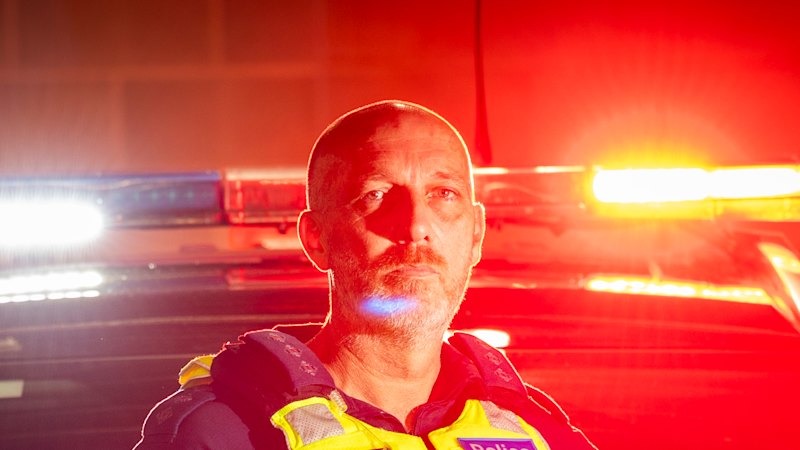
All three articles profile Inspector Kane Robinson and describe how his experiences with a family tragedy shape his work as a crime investigator. The stories say Robinson is the commander of an elite police unit in Melbourne that handles some of the city’s most serious street clashes. They also highlight that Robinson does not present himself publicly as the son of a murder victim, describing a period when he kept that aspect of his background private.
Across the accounts, the articles portray Robinson’s approach to policing as informed by empathy developed through personal loss. They describe his role in managing high-stakes operations and working with people affected by violent incidents, emphasizing how his perspective influences the way he leads and supports colleagues.
While the outlets differ slightly in framing and wording, they consistently connect Robinson’s motivation to his personal history, and they present his career progression within the context of how he learned to handle traumatic experiences and the public attention surrounding them. The reports focus on his reflections rather than on new case details.