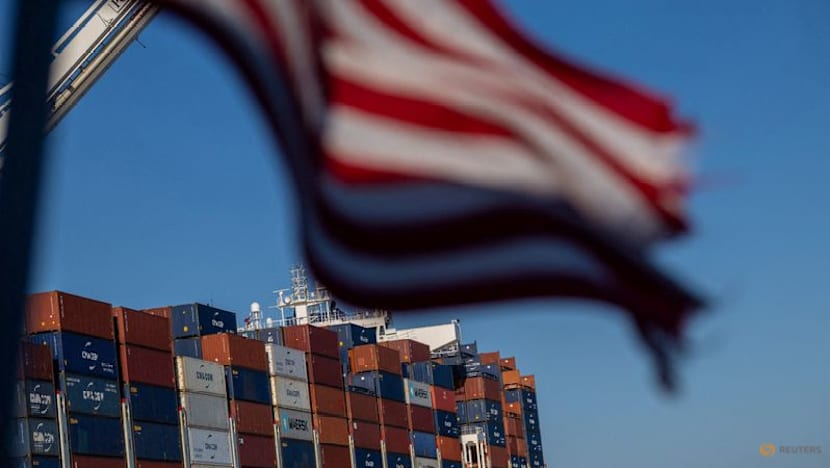
Multiple outlets report that former US President Donald Trump’s latest tariff proposal aimed at addressing forced labour faces criticism from experts, business groups and human rights advocates. While supporters argue that tariffs can pressure supply chains to improve compliance and reduce forced labour risks, several critics contend the approach does not tackle the underlying causes of forced labour and may create unintended harm.
Business groups featured in reporting say companies could face increased costs, uncertainty and compliance burdens, particularly if enforcement mechanisms or definitions of forced labour are unclear. Human rights groups and other experts argue tariffs alone are unlikely to ensure better labour conditions, and could instead disrupt legitimate trade, potentially pushing vulnerable workers into more precarious or informal arrangements.
Across sources, the common theme is that the tariff move is not presented as a comprehensive solution. Critics call for broader measures, including stronger due diligence requirements, credible monitoring and transparency across supply chains, and coordination with governments and international partners. The reporting indicates that the impact of the policy will depend on how it is implemented and whether it is paired with enforceable standards.