


Coverage of the Strait of Hormuz standoff links Iran’s influence over the strategically vital waterway to a changing energy security debate. Multiple outlets report that attention is moving from the idea that supply vulnerabilities are mainly tied to renewables to a focus on fossil fuel exposure. The reasoning presented is that the Strait of Hormuz is a key chokepoint for global seaborne energy flows, meaning disruption or increased risk in the region can quickly affect oil and gas deliveries to importing countries. In this framing, the standoff effectively reframes what is seen as the most immediate risk factor in energy security: not only the long-term transition away from fossil fuels, but also the day-to-day stability of crude and refined product transport through the Strait. Both sources describe this shift as an indirect consequence of Iran-related tensions, which place the chokepoint at the center of security calculations for energy markets and governments. The discussion remains centered on how geopolitical pressure can translate into supply risk and uncertainty for fuel importing regions.
Strait of Hormuz standoff shifts energy security debate toward oil and gas risk
Coverage of the Strait of Hormuz standoff links Iran’s influence over the strategically vital waterway to a changing energy security debate. Multiple outlets report that attention is moving from the i...

- Iran’s influence over the Strait of Hormuz is central to the current standoff.
- The Strait of Hormuz is described as strategically vital for global energy shipping.
- The debate shifts toward the vulnerability of oil and gas supply rather than renewables.
- Disruption or heightened risk at the chokepoint is presented as a key driver of energy security concern.
- The change is characterized as an indirect effect of the Iran-related tensions on broader energy discussions.
Iran’s influence over the Strait of Hormuz has inadvertently transformed the energy security debate, effectively casting fossil fuels rather than renewables as the primary source of vulnerability.
2 months agoIran's influence over the strategically vital Strait of Hormuz has inadvertently transformed the energy security debate.
2 months ago
Astros say Carlos Correa is progressing after ankle surgery, aiming for a September return
The Houston Astros say third baseman Carlos Correa is progressing from ankle surgery and is expected to be available “at...
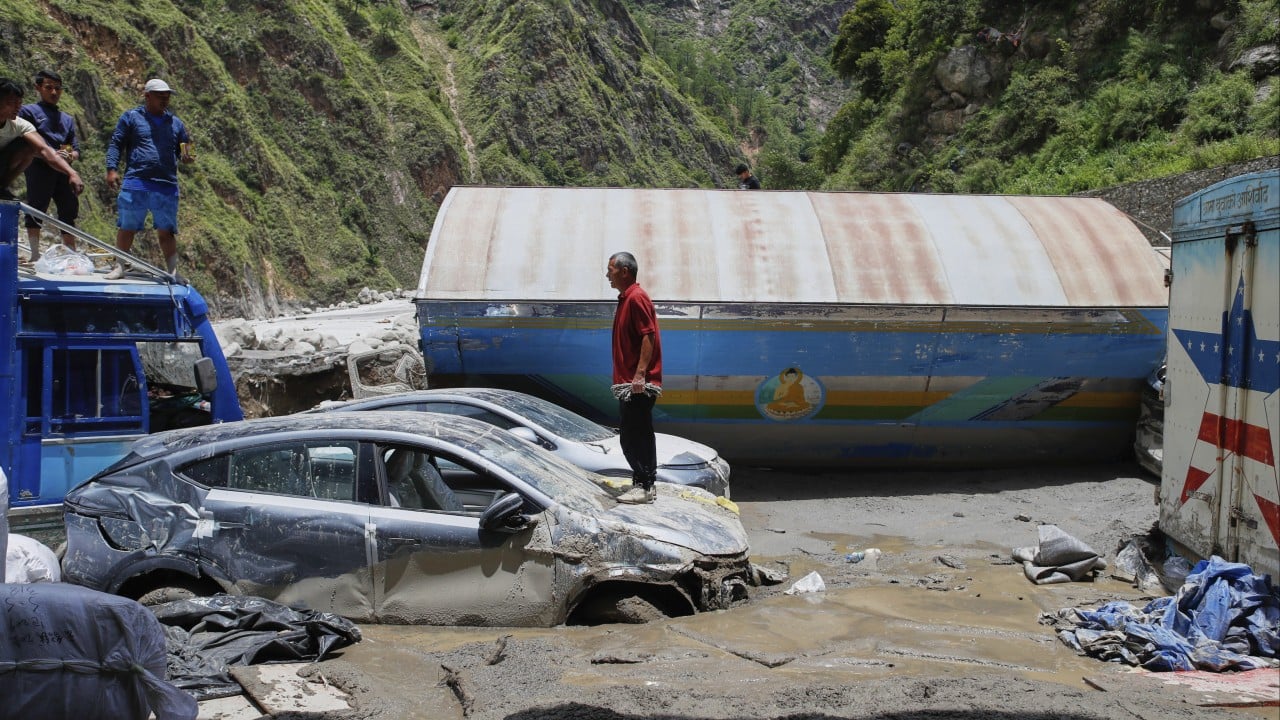
Flash floods and mudslide hit Nepal’s Rasuwa district near Tibet border, with casualties and missing
Flash floods and a mudslide along the Nepal–Tibet border wash away villages and damage infrastructure in Nepal’s Rasuwa...

Jaguars plan heavy defensive use for Travis Hunter during training camp
Jacksonville Jaguars two-way prospect Travis Hunter is being used heavily on defense during training camp practices. Mul...