


A new study examines an Alaska landslide last year and reports that it generated one of the largest tsunamis ever recorded. The research describes how millions of tonnes of rock fell about one kilometre into an Alaska fiord, producing a tsunami with an estimated wave height of 481 metres—higher than the CN Tower’s tallest viewing platform. The study also points to conditions that made the event possible, saying the tsunami may not have occurred without rapid retreat of a glacier that otherwise would have been in the landslide’s path. Taken together, the findings suggest that changes in glacier stability and coastal landscapes can affect tsunami generation in fjord-like settings. The same research is presented as a warning for British Columbia, where similar fjord and slope conditions could pose risks if glaciers retreat or destabilize further. The reporting emphasizes that the work is based on the study’s analysis of the event and its likely triggers, while the broader implications focus on how environmental changes could influence future tsunami hazards.
Study links Alaska landslide to CN Tower-sized tsunami and highlights risks for B.C.
A new study examines an Alaska landslide last year and reports that it generated one of the largest tsunamis ever recorded. The research describes how millions of tonnes of rock fell about one kilomet...

- An Alaska landslide last year drops millions of tonnes of rock about one kilometre into a fiord.
- Researchers estimate the resulting tsunami reached about 481 metres, described as among the largest recorded.
- The tsunami is linked to rapid glacier retreat that would have altered the landslide’s path.
- The study is presented as a warning for tsunami risk in British Columbia.
- The reports draw on findings from a new scientific study analyzing the event.
When millions of tonnes of rock fell one kilometre into an Alaskan fiord last year, it set off one of the largest tsunamis ever recorded, a monstrous 481-metre wave higher than the tallest viewing platform of the CN Tower, a new study shows.
3 months agoThe study found the tsunami might not have happened but for the rapid retreat of a glacier that would have been in the landslide's path.
3 months ago
Reports: Apple plans a new MacBook Ultra with touchscreen and OLED display
Apple is reportedly developing a top-tier laptop for release as a “MacBook Ultra,” described as an option that sits abov...

Trial hears allegations involving teen Ancell Marshall and driving instructor’s wife killing
Prosecutors and court reporting say Ancell Marshall, a teenager, is linked to the killing of the wife of a driving instr...
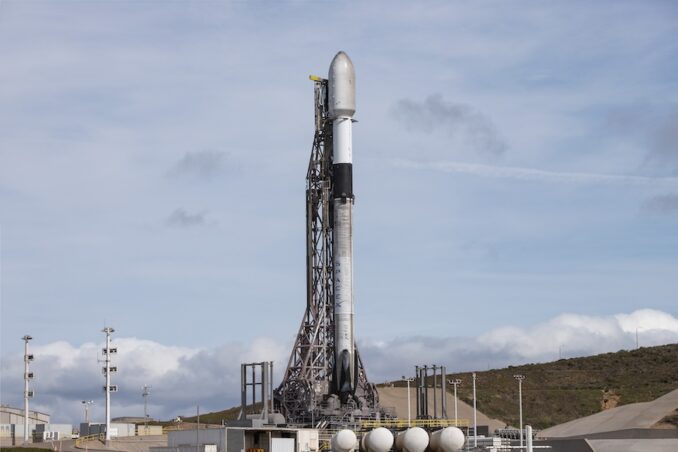
SpaceX launches Starlink satellites from California and Florida on multiple Falcon 9 missions
SpaceX launches batches of Starlink broadband satellites into low Earth orbit on Falcon 9 rockets from two U.S. launch s...