


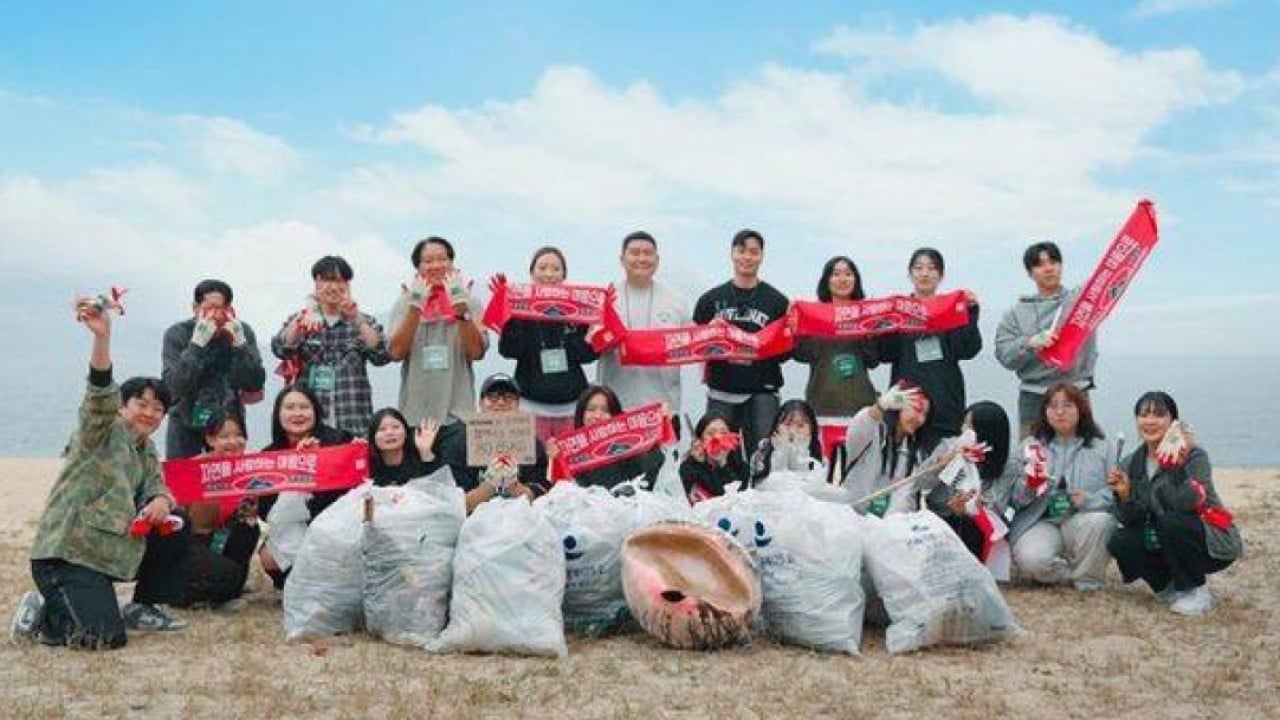
Across South Korea, rising temperatures and worsening climate impacts are fueling what experts describe as “climate anxiety” among younger people. Multiple outlets report that the crisis increasingly shows up in everyday decisions rather than only in street protests. For many young South Koreans, routine activities such as exercise, shopping habits, and long-term life planning are being adjusted to reflect concern about the climate’s effects.
One example is “plogging,” described as a lifestyle practice that combines jogging with picking up litter. Instead of treating their worries as purely distressing, some young people channel anxiety into environmentally focused behaviors that they see as more “liveable” and manageable. A 2024 study cited in one report by the Korea Institute for Health and Social Affairs finds that more than 90% of Korean adults feel anxious about the climate crisis, with people in their 20s scoring highest among age groups.
The same reporting characterizes the anxiety as having a “functional” dimension: the more worried respondents are, the more likely they are to adopt eco-friendly actions rather than withdraw or disengage.


