


Kosovo holds another election on Sunday, the third in less than 16 months, adding further costs to the country’s budget. The campaign centers on a dispute between former allies: Prime Minister Albin Kurti and former President Vjosa Osmani. The political rivalry comes amid continued uncertainty over Kosovo’s international engagement, particularly the dialogue with Serbia. Sources describe the talks as stalled, with progress limited despite past efforts to normalize relations. At the same time, obstacles to EU integration remain a prominent issue, shaping public debate over Kosovo’s reforms and its prospects for closer ties with Europe. Together, the repeated election cycle, the lack of breakthroughs in the Serbia dialogue, and slower EU progress contribute to a challenging environment for decision-making and governance. The upcoming vote is therefore presented not only as a contest between key political figures, but also as part of a broader institutional and diplomatic backdrop affecting costs, policy continuity, and the country’s longer-term trajectory.
Kosovo faces financial strain as repeated elections continue amid Serbia talks deadlock
Kosovo holds another election on Sunday, the third in less than 16 months, adding further costs to the country’s budget. The campaign centers on a dispute between former allies: Prime Minister Albin K...

- Kosovo is holding an election on Sunday that is the third in less than 16 months.
- The campaign includes a political split between Prime Minister Albin Kurti and former President Vjosa Osmani.
- Dialogue with Serbia is described as deadlocked with limited progress.
- EU integration is presented as facing obstacles, influencing the election debate.
- The repeated elections add financial strain to Kosovo’s public coffers.
Sunday's election in Kosovo — the third in under 16 months — is marked by a clash between former allies PM Albin Kurti and ex-President Vjosa Osmani, deadlock in the dialogue with Serbia, and obstacles to EU integration.
2 months agoSunday's election in Kosovo — the third in under 16 months — is marked by a clash between former allies PM Albin Kurti and ex-President Vjosa Osmani, deadlock in the dialogue with Serbia, and obstacles to EU integration.
2 months ago
Barron Trump keeps a reclusive profile amid reported security concerns for Trump family
Barron Trump, the youngest son of former U.S. President Donald Trump, is described by multiple outlets as living a reclu...

Carney rejects Trump’s renaming of Lake Ontario to “Lake America”
US President Donald Trump signs an executive order renaming Lake Ontario as “Lake America,” citing the lake’s portions w...
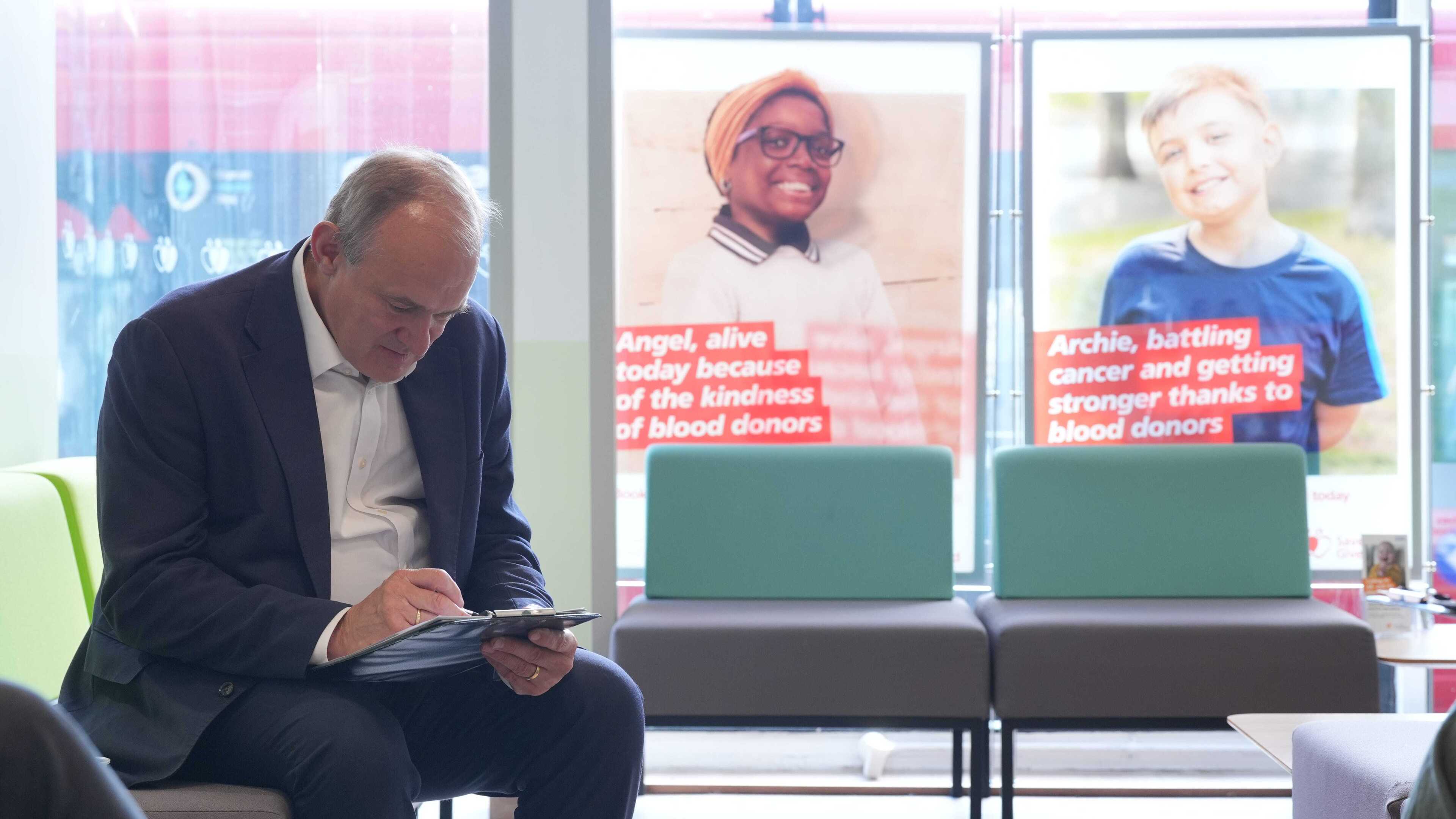
Ed Davey blood donation attempt disrupted after paperwork issue and travel plans
Liberal Democrat leader Sir Ed Davey was set to donate blood on Friday, but the donation does not go ahead after he fill...