


Multiple reports say kelp, a type of seaweed, could be used to produce biofuels that may one day power ships and aircraft. The outlets describe kelp as a potential feedstock because seaweed can be converted into fuel products such as bioethanol. While the promise is that biofuels could lower overall greenhouse-gas emissions compared with petroleum-based fuels, the sources also emphasize major obstacles that prevent near-term adoption. These challenges include the practical and environmental aspects of producing kelp at scale, as well as technical hurdles in converting kelp-based fuels efficiently. One report highlights that burning bioethanol can release hazardous gases, creating concerns about air quality and safety. Overall, the coverage presents kelp biofuels as a longer-term possibility rather than a ready alternative, citing both potential climate benefits and complications involving emissions and production viability.
Researchers Say Kelp Biofuels Could Power Ships and Aircraft, Despite Challenges
Multiple reports say kelp, a type of seaweed, could be used to produce biofuels that may one day power ships and aircraft. The outlets describe kelp as a potential feedstock because seaweed can be con...
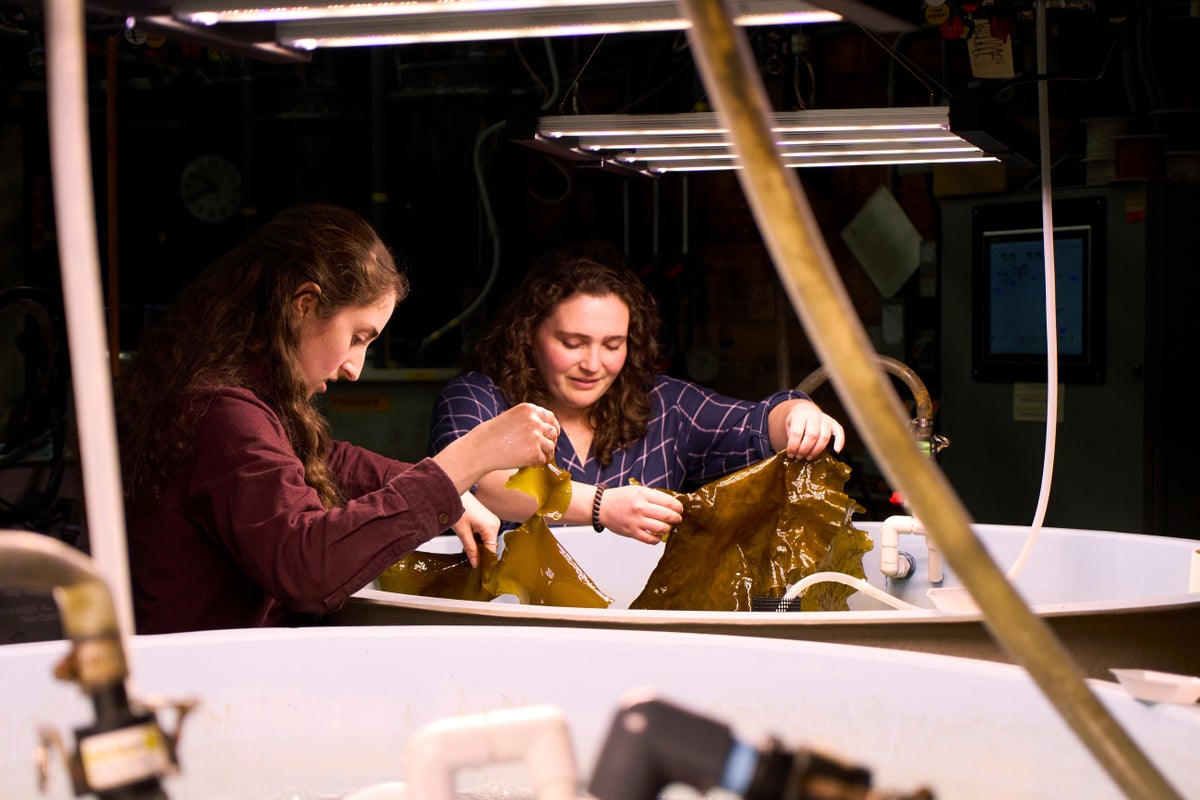
- Kelp (seaweed) can be processed into biofuels that could, in theory, be used for ships and aircraft.
- The sources describe kelp-based fuel as a potential alternative to petroleum fuels.
- Biofuels such as those derived from kelp are discussed as potentially producing fewer overall greenhouse-gas emissions than petroleum-based options.
- At least one source notes that burning bioethanol can release hazardous gases.
- The reports agree that significant technical and production hurdles remain before widespread use is practical.
Although bioethanol releases hazardous gases when burned, these fuels produce fewer greenhouse gases overall compared to petroleum-based fuels.
3 months agoKelp, a kind of seaweed, can be used in biofuels that one day could power ships and aircraft
3 months ago
Shooting at Switzerland rave near Zurich leaves several people injured
Police respond to a shooting at a rave event near Zurich, Switzerland, with reports of several victims and multiple inju...

Officer dies and another injured in South Carolina park shooting after domestic-dispute call
A shooting in a park in Columbia, South Carolina, leaves one police officer dead and a second officer injured, the city...
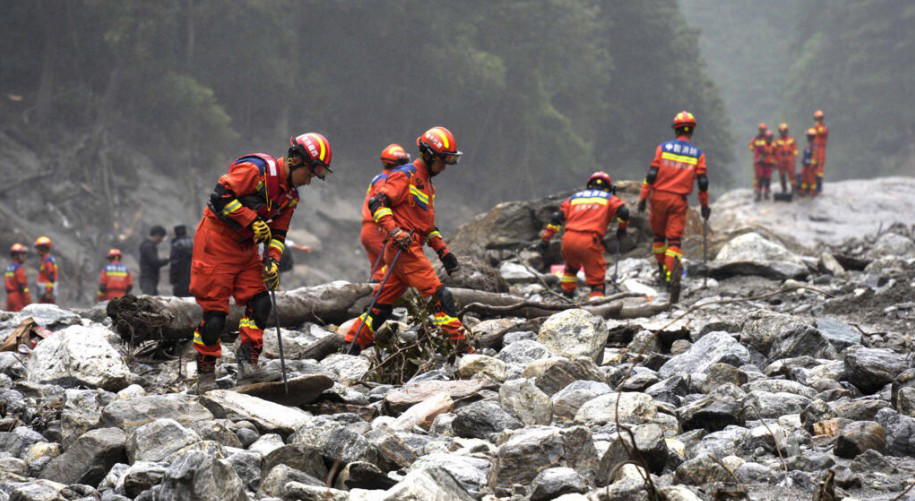
Nepal and China flood rescue continues as missing toll nears 3,000
Rescuers in Nepal and China continue searches for thousands missing days after a deadly tsunami-like flood surge tore th...