


A University of New South Wales (UNSW) report measures air quality in NSW schools and finds ventilation issues in a subset of classrooms. The study assesses conditions across 59 schools using monitoring devices installed in classrooms. It reports that 17 classrooms record carbon dioxide (CO2) concentrations that are not considered optimal for learning. The outlets describe this as an indicator of ventilation performance, with higher CO2 levels typically associated with reduced fresh-air intake and greater build-up of exhaled air. The reporting is based on the findings from the monitoring program and focuses on the proportion of monitored classrooms that did not meet recommended CO2 thresholds. While the articles agree on the overall numbers—59 schools monitored and 17 classrooms with non-optimal CO2 levels—they do not provide further breakdowns such as which schools were affected, how long measurements were taken, or what specific actions schools may take in response. Overall, the coverage presents the UNSW measurements as evidence that some classroom environments in NSW fall short of desired air-quality conditions for learning.
UNSW air-quality study finds elevated carbon dioxide in some NSW school classrooms
A University of New South Wales (UNSW) report measures air quality in NSW schools and finds ventilation issues in a subset of classrooms. The study assesses conditions across 59 schools using monitori...
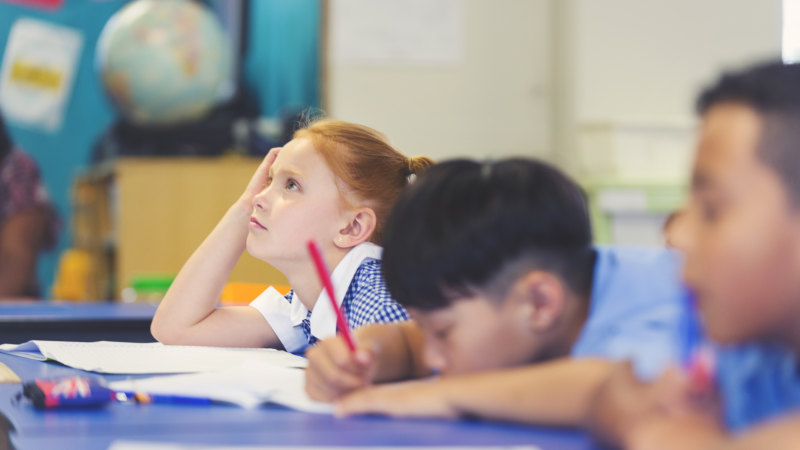
- A UNSW report measures air quality in NSW classrooms using installed monitoring devices.
- Monitoring covers 59 schools.
- The report finds CO2 levels in 17 classrooms are not considered optimal for learning.
- The findings are based on measured carbon dioxide concentrations indicating ventilation conditions.
The University of NSW report which measured air quality at 59 schools found 17 classrooms experienced carbon dioxide levels not considered optimal for learning.
2 months agoThe University of NSW report which measured air quality at 59 schools found 17 classrooms experienced carbon dioxide levels not considered optimal for learning.
2 months agoThe University of NSW report which measured air quality at 59 schools found 17 classrooms experienced carbon dioxide levels not considered optimal for learning.
2 months ago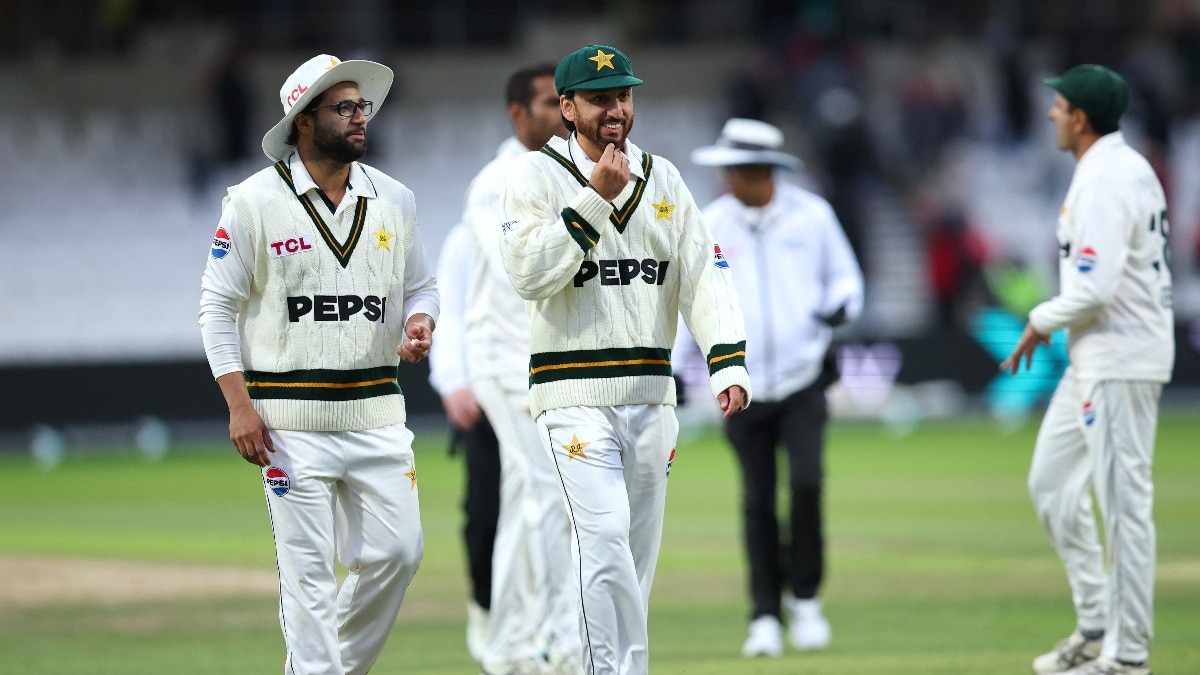
England vs Pakistan Tests: Live updates from Headingley and London
England and Pakistan play Test cricket across multiple matches, with outlets publishing live score and day-by-day update...

2026 Little League World Series: bracket and TV schedule updated from Williamsport
The 2026 Little League World Series is underway in Williamsport, Pennsylvania, with multiple games scheduled across the...

TestMu Conference 2026 highlights advances in agentic engineering and quality
TestMu Conference 2026 is held as TestMu AI’s flagship event focused on agentic engineering and quality practices. Both...