


In Brazil’s Cerrado savanna, Indigenous communities in northern and central regions are using traditional fire practices that authorities and environmental officials are increasingly studying for wildfire management. Reporting from the Xerente Indigenous Territory in Tocantins describes a common scene where residents monitor and use controlled burns rather than immediately suppressing all fire. The accounts contrast this approach with a “zero-fire” land management strategy previously used by some Brazilian environmental officials, which aims to prevent any burning. According to the sources, officials have been observing how Indigenous burning can help shape the landscape, including reducing the accumulation of dry vegetation that can fuel severe wildfires. The articles describe how fire is treated as a land-management tool by Indigenous people, with burning practices carried out in ways they say help limit the intensity and spread of later fires. Overall, the coverage indicates that traditional Indigenous fire knowledge is prompting a re-evaluation of how fire is managed across the Cerrado, where seasonal dry conditions can contribute to recurring wildfire risks.
Indigenous fire practices in Brazil’s Cerrado influence wildfire management approaches
In Brazil’s Cerrado savanna, Indigenous communities in northern and central regions are using traditional fire practices that authorities and environmental officials are increasingly studying for wild...

- The articles describe fire-management practices by Indigenous communities in Brazil’s Cerrado savanna.
- The Xerente Indigenous Territory in Tocantins is cited as an example area where controlled burning is used.
- Some Brazilian environmental officials previously followed a “zero-fire” land management approach.
- Sources say Indigenous burning practices can help reduce fuel buildup and influence later wildfire behavior.
- The coverage frames Indigenous fire knowledge as informing changes or reassessment of wildfire management strategies.
Fire began crackling like approaching rain on a recent morning in the Xerente Indigenous Territory in Tocantins in northern Brazil. But the Indigenous residents weren't afraid and didn't rush to put it out.
2 months agoFire began crackling like approaching rain on a recent morning in the Xerente Indigenous Territory in Tocantins in northern Brazil. But the Indigenous residents weren't afraid and didn't rush to put it out.
2 months agoBrazilian environmental officials have followed a zero-fire strategy for land management in the Cerrado savanna in central and northern Brazil
2 months ago
Liquefied petroleum gas tanker pays record fare for priority Panama Canal transit
A liquefied petroleum gas (LPG) tanker pays a record transit fee for priority passage through the Panama Canal, accordin...
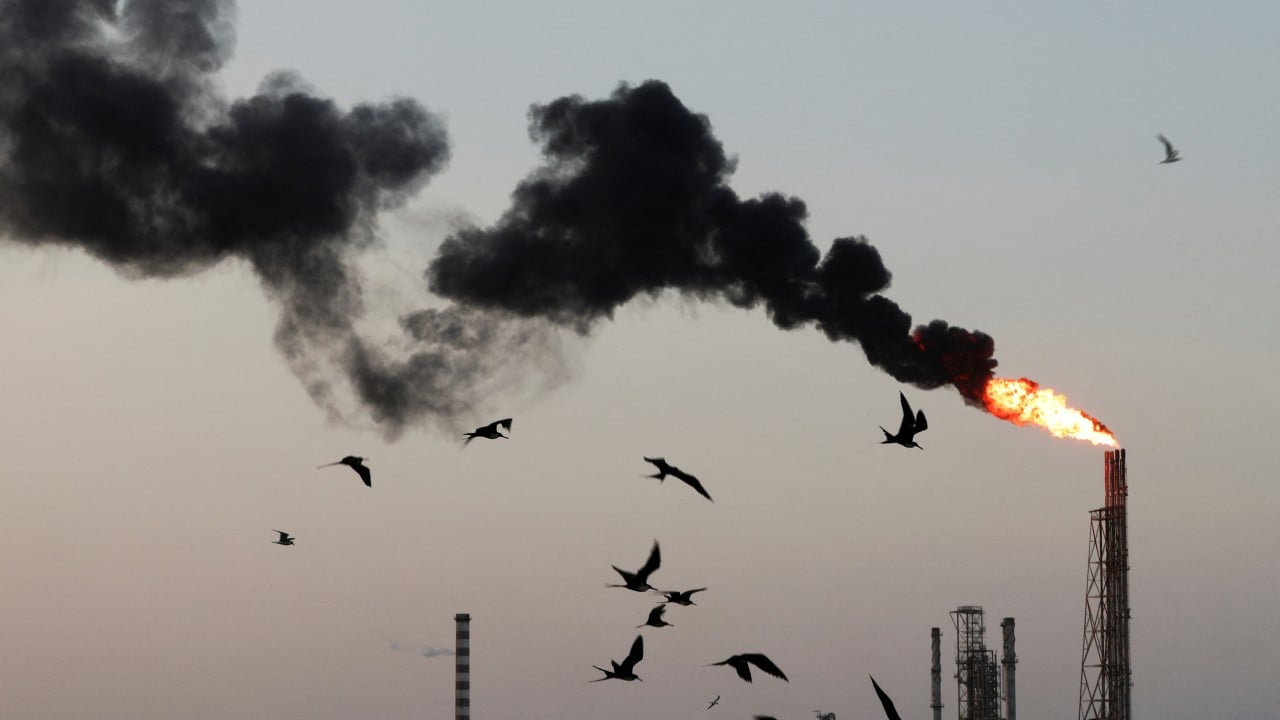
Trump announces U.S. agreement for majority control of Venezuela’s 65 billion barrels of oil reserves
President Donald Trump says the United States has entered an agreement with Venezuela that would give the U.S. majority...

Two police officers named after fatal A66 crash near Middlesbrough
Two police officers, PCs Matthew Blades, 37, and Tom Clough, 38, are killed in a crash on the A66 near Middlesbrough. Th...