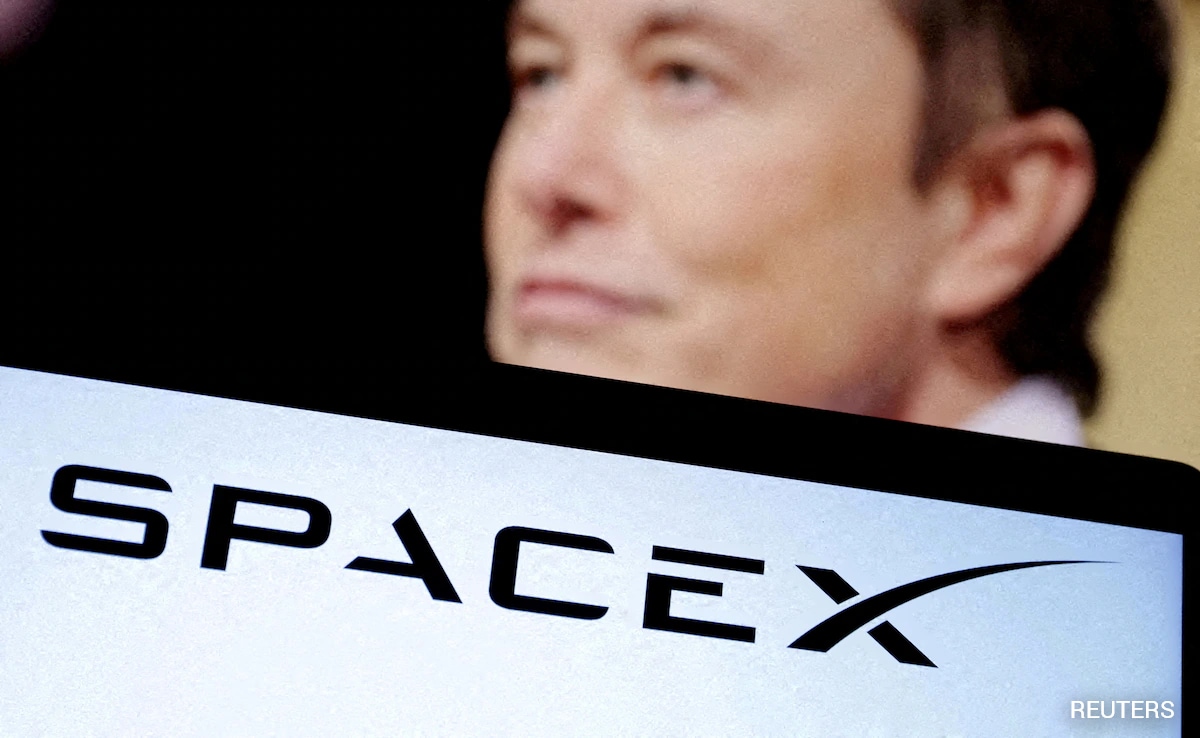
Several outlets report that SpaceX’s upcoming IPO, via disclosures in its registration materials and prospectus provisions reviewed by journalists, is set to formalize strong founder and insider control under a governance structure that departs from common public-company protections. Sources describe a dual-class or supervoting share setup that gives CEO Elon Musk outsized voting power relative to other shareholders, alongside mechanisms that can reduce the ability of investors to challenge management. Reported provisions include limits on shareholders’ practical options to dispute corporate decisions, including restrictions on legal recourse and reduced leverage over governance matters, such as the ability to bring proposals or force votes.
Multiple accounts also note that investor rights appear curtailed further by contractual and procedural measures, including mandatory arbitration rather than court litigation in certain disputes. The reporting further links the governance design to Musk’s compensation and long-term incentives tied to Mars-linked corporate messaging, while some articles frame expectations that investors may accept a very high valuation despite the weakened shareholder protections.
An investor group in one report urges SEC scrutiny, reflecting concerns that the structure may be unusually restrictive compared with typical market norms.