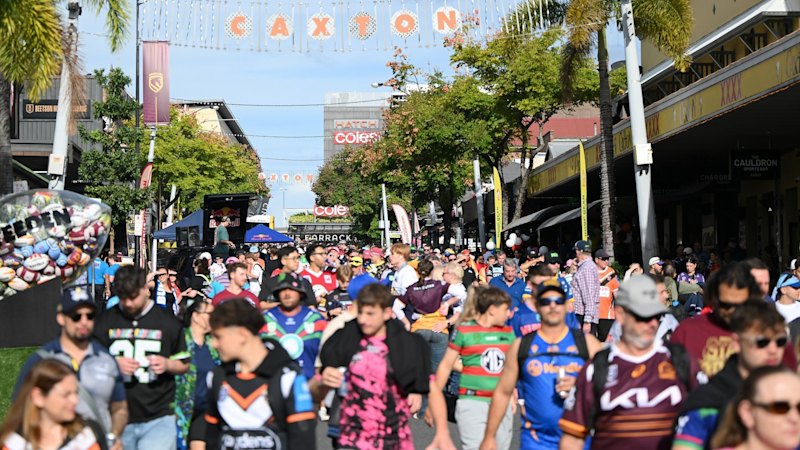
All three articles report a shared analysis of how people travel to Brisbane’s Magic Round, using mobile phone data to examine public and active transport usage during the event. The coverage frames the findings as a reality check for broader transport goals associated with the lead-up to the 2032 Olympics. Across the outlets, the analysis indicates that current travel patterns do not yet match the level of public transport and active transport needed to meet Olympic targets.
The articles focus on the “lessons for 2032,” suggesting that the event’s mobility results can inform future planning for major events and everyday travel demand. While the sources emphasize the need for improvements, they describe the underlying evidence as an evidence-based look at real movement patterns derived from mobile network data rather than relying on surveys alone.
Overall, the reporting is consistent: mobile phone data provides insight into attendee travel behaviour at Magic Round, and the results point to substantial work remaining to reach planned public and active transport outcomes for 2032.