


Multiple outlets argue that stabilising artificial intelligence (AI) risks may require top-level action by major powers. Brisbane Times, The Sydney Morning Herald, and The Age each frame the situation as analogous to the diplomacy that followed the Cuban Missile Crisis, when leaders coordinated to prevent nuclear escalation. The articles contend that the United States and China—represented by Donald Trump and Xi Jinping—are uniquely positioned to influence AI development and deployment because they drive significant portions of global technology research, investment, and market dynamics. In this view, direct engagement between the two leaders could help establish clearer rules, communication channels, or constraints aimed at reducing the likelihood of unintended or uncontrolled AI outcomes. While the pieces stress the need for urgent international cooperation, they also suggest that the most immediate leverage may lie with bilateral leadership at the highest level. Overall, the sources present the prospect of a crisis-style diplomatic push to manage AI safety and governance before risks compound.
Trump and Xi discussed as potential leaders in efforts to manage AI risks
Multiple outlets argue that stabilising artificial intelligence (AI) risks may require top-level action by major powers. Brisbane Times, The Sydney Morning Herald, and The Age each frame the situation...
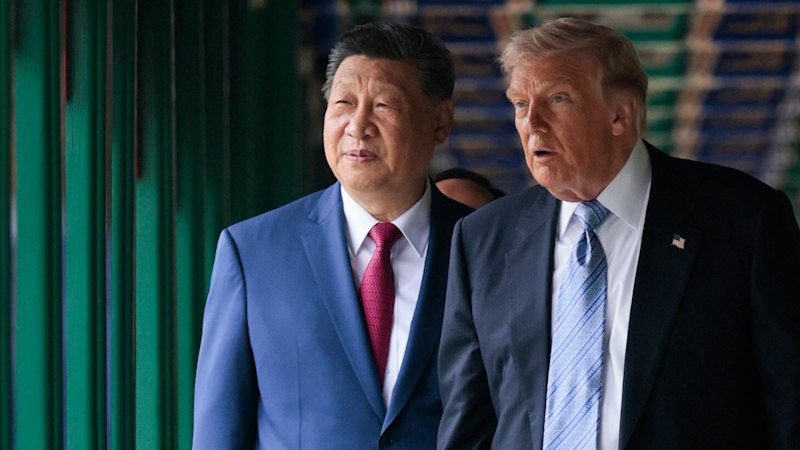
- The articles compare AI risk management to the diplomatic coordination after the Cuban Missile Crisis.
- They argue that the U.S. and China have particular influence over AI development.
- They suggest direct engagement between Donald Trump and Xi Jinping could help shape outcomes.
- They emphasize the need for action to reduce the chance of AI escalating out of control.
- They frame the issue as urgent and requiring international cooperation.
After the Cuban Missile Crisis brought the world to the edge of nuclear war, global powers worked together to pull it back from the brink. We need something similar now.
2 months agoAfter the Cuban Missile Crisis brought the world to the edge of nuclear war, global powers worked together to pull it back from the brink. We need something similar now.
2 months agoAfter the Cuban Missile Crisis brought the world to the edge of nuclear war, global powers worked together to pull it back from the brink. We need something similar now.
2 months ago
Meta agrees to up to $18 billion settlement ending US teen social media lawsuit
Meta is set to pay up to $18 billion to settle a landmark US legal battle alleging that Facebook and Instagram harm chil...
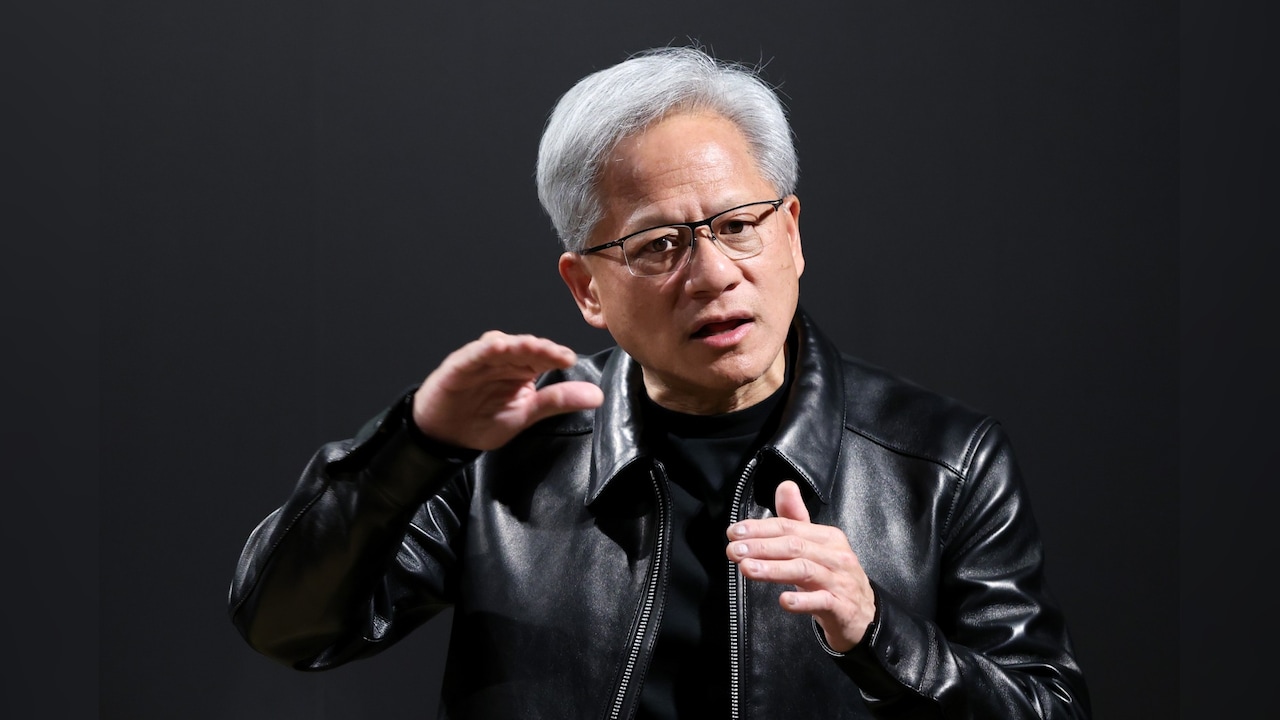
Nvidia forecasts ~70% revenue growth into fiscal 2028 amid AI chip demand
Nvidia reports upbeat guidance for AI-driven sales, forecasting about 70% revenue growth in fiscal 2028 and signaling th...

Nvidia agrees to buy Hugging Face for about $12.9 billion, reports say
Nvidia has agreed to acquire Hugging Face for about $12.9 billion (roughly $13 billion), according to multiple reports....