


Ahead of and during the 2026 World Cup, multiple reports highlight that extreme heat and volatile weather are major concerns for players, spectators, and event workers across host venues in the United States, Mexico, and Canada. Several outlets cite climate briefings and reports suggesting a substantial share of matches—ranging from about 25% to specific estimates such as 26 of 104—could be played in dangerously hot conditions. Temperatures and heat indices are expected to reach very high levels in parts of the Midwest and East Coast, with some forecasts describing “heat dome” conditions that push values to roughly 105–115°F (about 40–46°C). Cities named across coverage include Toronto, Kansas City, New Jersey, Philadelphia, and other venues in the southern and eastern US. In addition to heat, thunderstorms and lightning pose risks: matches can be delayed or suspended under stadium safety rules when lightning is detected within roughly 8 miles, with play resuming after a set delay. Outlets also note that FIFA and organizers have limited precedent for such conditions and may need additional measures to protect health, including adjustments around kickoff times and cooling and hydration practices.
Extreme heat and storms raise safety and scheduling concerns for 2026 World Cup matches
Ahead of and during the 2026 World Cup, multiple reports highlight that extreme heat and volatile weather are major concerns for players, spectators, and event workers across host venues in the United...

- Reports link extreme heat to health and safety risks for players, spectators, and workers at the 2026 World Cup.
- Multiple sources estimate that around a quarter of matches could be played in very hot or dangerous temperatures (including an estimate of 26 of 104 matches).
- Forecasts for parts of the US and Canada include very high heat indices in the Midwest and eastern regions, with some coverage citing “heat dome” conditions.
- Several venues are highlighted as potentially affected, including cities such as Kansas City and Philadelphia, and other North American host locations.
- Thunderstorms and lightning can disrupt matches; safety rules suspend play when lightning is detected within a defined radius and delay resumption afterward.
A 38-degree Celsius evening match has raised fresh questions about how football manages heat in a warming world.
1 month agoExtreme temperatures do not simply affect performance – they can pose a serious risk to a player's health
1 month agoAn unrelenting heatwave across the US is forcing everyone, from local outreach teams to World Cup organisers to completely pivot, with the struggle to stay safe on the street and on the fields as temperatures rise. The heat isn't just a crisis on the streets - it is also hitting the sports world. Paraguay and France are scheduled to face off in a World Cup match in Philadelphia, where temperatures are forecast to hit 38 degrees Celsius, increasing risks of heat related illness, and adding far more pressure to the game.
1 month agoJuly 1 -The World Cup is about to get hot. A massive ‘heat dome’ is settling over the central and eastern United States and parts of Canada just as the knockout rounds arrive. Heat indices are forecast to hit 105 to 115 degrees Fahrenheit across parts of the Midwest and East Coast. Matches in Toronto, Kansas City, New Jersey, and Philadelphia are all in the firing line. FIFA, asked what extra steps it might take to protect players and supporters through the worst of it, Read more … The post ‘Heat dome’ set to raise World Cup temperatures to 100ºF+ appeared first on Inside World Football.
1 month agoExtreme heat has emerged as one of the biggest storylines of this World Cup, with scientists warning climate change is making conditions more dangerous for players and fans across many host cities
1 month agoTemperatures are expected to soar across parts of the US and Canada this week which could bring significant health impacts to some World Cup matches.
1 month ago
Astros say Carlos Correa is progressing after ankle surgery, aiming for a September return
The Houston Astros say third baseman Carlos Correa is progressing from ankle surgery and is expected to be available “at...
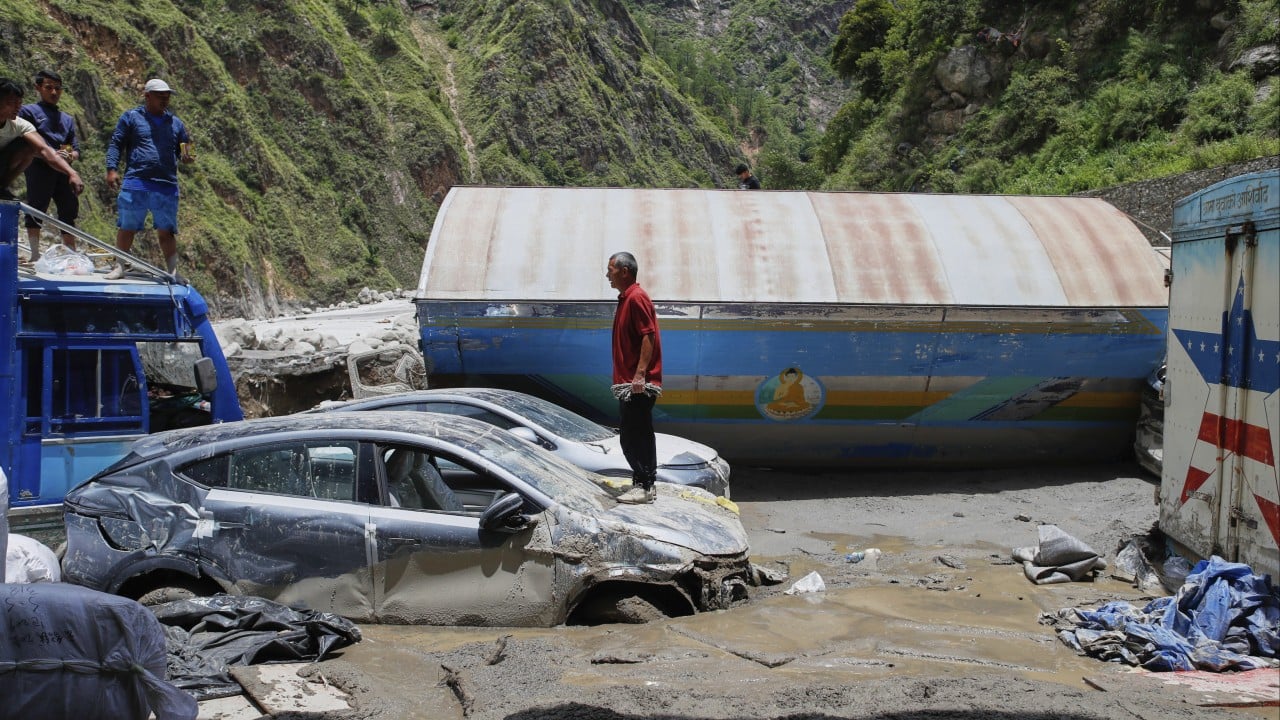
Flash floods and mudslide hit Nepal’s Rasuwa district near Tibet border, with casualties and missing
Flash floods and a mudslide along the Nepal–Tibet border wash away villages and damage infrastructure in Nepal’s Rasuwa...

Jaguars plan heavy defensive use for Travis Hunter during training camp
Jacksonville Jaguars two-way prospect Travis Hunter is being used heavily on defense during training camp practices. Mul...