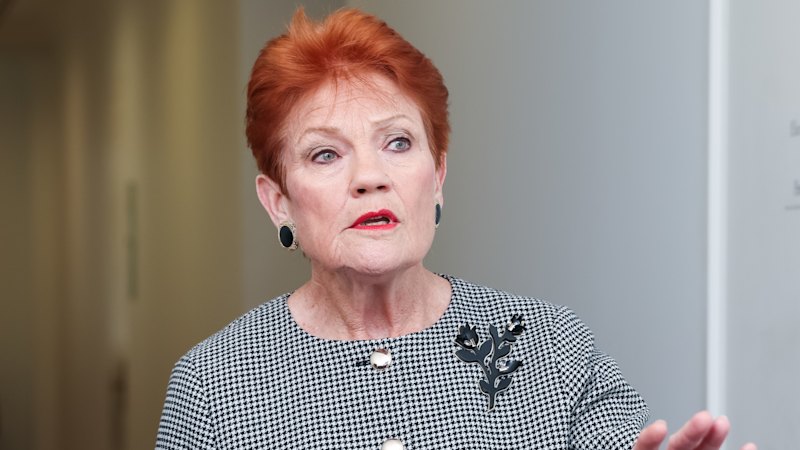
Ukraine President Volodymyr Zelenskyy is drawing public anger in Poland after naming a Ukrainian army unit with a WWII-era designation that critics say carries Nazi-associated connotations. The choice has led to outrage in Poland and renewed political sensitivity around symbols and terminology linked to the Nazi occupation period and related historical legacies. Polish officials and commentators have raised concerns that the name could be interpreted as endorsing or invoking extremist history, despite Ukraine’s position in the current war context.
Polish Prime Minister Donald Tusk is cited as potentially playing a role in managing the dispute and preventing it from worsening bilateral tensions. The situation highlights how historical references can affect diplomacy and public opinion between countries with shared and contested histories. The reports focus on the naming decision itself and the reaction it triggers, with no clear consensus across the accounts on any official Ukrainian explanation for the designation. The controversy continues to unfold as both sides address the issue and as Ukraine’s broader wartime actions remain a key point of scrutiny in Poland.