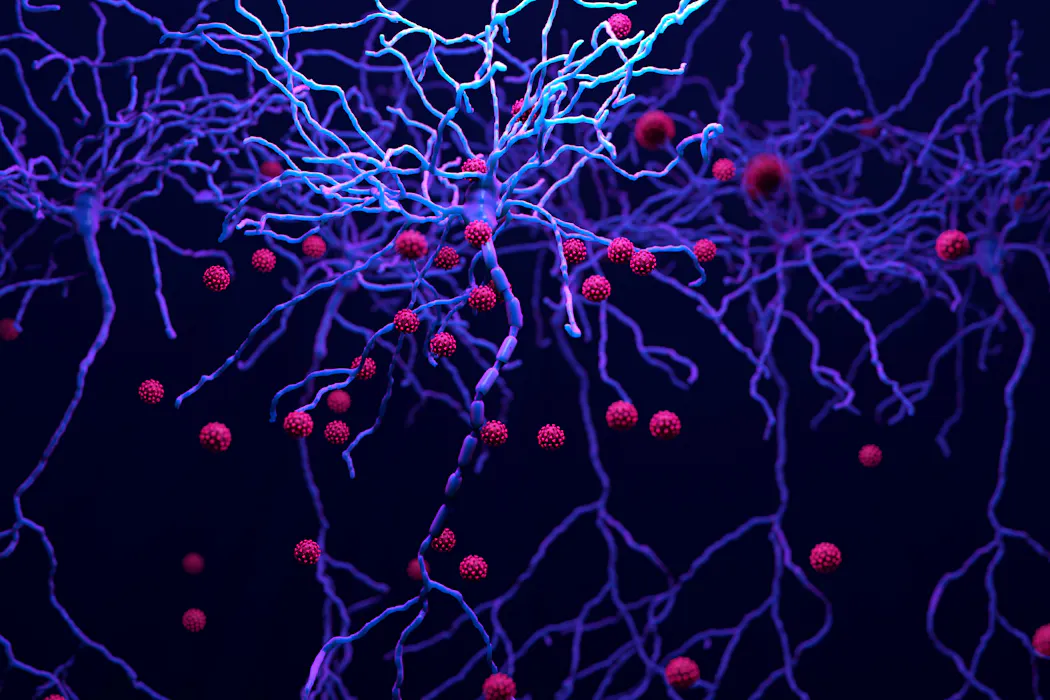
Reporting on new research, multiple outlets describe how HIV can enter the brain and continue to persist there. HIV reaches the brain when infected immune cells cross into brain tissue, and once present, the virus is described as remaining in the central nervous system rather than being cleared. The presence of HIV in the brain is linked to neurological and cognitive effects, including memory and cognition problems.
The sources also discuss a complicated immune response in the brain. They report that attempts to manage brain inflammation can affect HIV dynamics. In particular, blocking certain immune cells that drive inflammation is described as potentially worsening outcomes by allowing HIV levels to rise in the brain. Conversely, approaches aimed at reducing inflammation may have unintended consequences, depending on which immune pathways are targeted.
Overall, the coverage emphasizes that the brain environment and immune-cell trafficking create a setting where HIV can persist and where therapies that target inflammation may not always reduce viral presence in the brain.