


Several outlets report that the EU’s Entry/Exit System (EES), introduced for border processing, is leading to long queues at border crossings as travellers attempt entry into Europe. Coverage characterises the disruption as occurring in recent weeks and affecting the pace of cross-border travel during the summer period. The reporting links these delays to potential economic consequences for tourism, particularly involving spending from British travellers. One estimate cited is that the resulting slowdown could cost European tourism nearly £2 billion due to reduced British spending this summer. The accounts point to an operational challenge during peak travel time, with travellers facing additional time at borders compared with pre-EES conditions. While the precise scale of delays and the extent of the spending impact can depend on where and when the queues occur, the common theme across the reporting is that EES implementation is creating bottlenecks that may discourage or limit travel plans. The articles collectively frame the issue as both a near-term travel inconvenience and a potential drag on tourism revenues during the summer season.
EU Entry/Exit System queues may reduce British tourism spending this summer
Several outlets report that the EU’s Entry/Exit System (EES), introduced for border processing, is leading to long queues at border crossings as travellers attempt entry into Europe. Coverage characte...

- The EU’s Entry/Exit System (EES) is in place for processing travellers at borders.
- Sources report long queues and delays affecting travel during the summer period.
- The disruption is expected to reduce British tourist spending in Europe.
- One estimate puts the potential loss to European tourism at nearly £2 billion for this summer.
- The reported impacts are linked to increased border processing time during peak travel.
The new Entry/Exit System (EES) across the EU has caused chaos and lengthy queues as of late - and is set to have a large economic impact, too.
2 months agoThe new Entry/Exit System (EES) across the EU has caused chaos and lengthy queues as of late - and is set to have a large economic impact, too.
2 months ago
Netanyahu condemns rioters after violence involving settlers in the West Bank
Israeli Prime Minister Benjamin Netanyahu condemns rioters following violence in the occupied West Bank. Reports say rad...
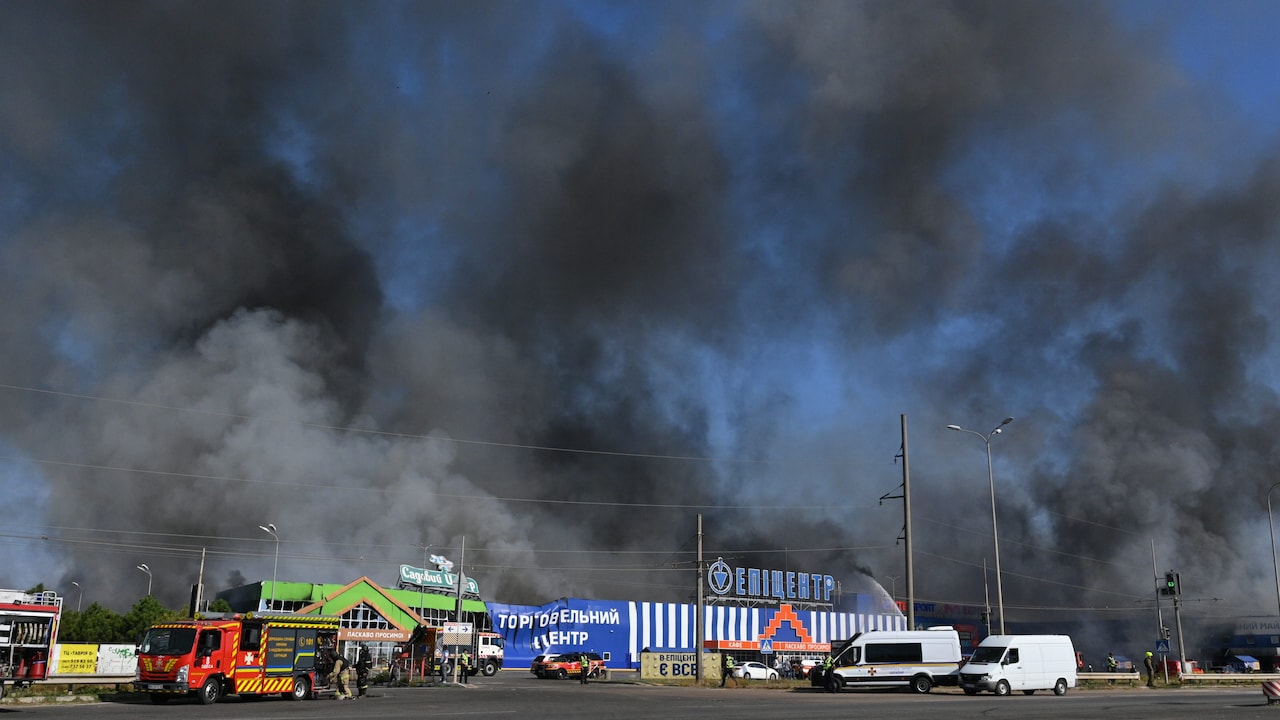
Russian drone strike near Kyiv kills at least 37, damages homes and buildings
A Russian drone strike hits a warehouse near Kyiv’s western suburbs, sparking a major fire and repeated explosions and k...

Mets reinstate Juan Soto from injured list ahead of Astros series
The New York Mets activate outfielder Juan Soto from the 10-day injured list as he returns for a series against the Hous...