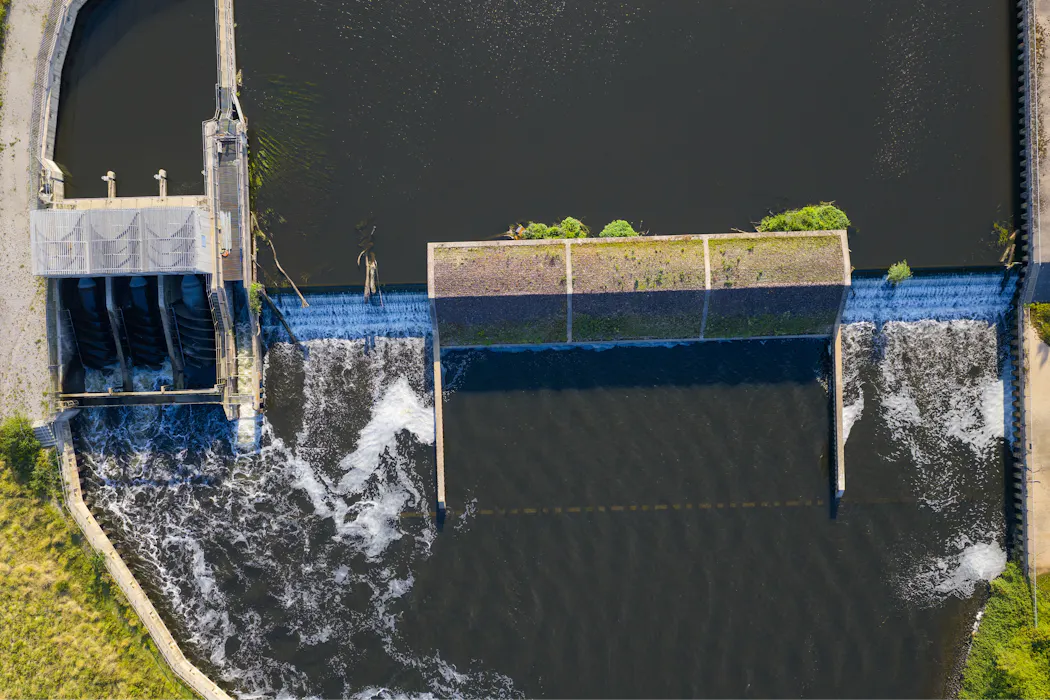
Removing dams and other barriers is widely viewed as a way to restore natural river processes, including water flow and sediment movement, and to help aquatic wildlife travel between habitats. Multiple accounts note that when barriers come out of rivers, fish and other freshwater species gain freer access to upstream and downstream areas, which can support ecological recovery.
At the same time, sources emphasize a major complication: improved connectivity can also make it easier for non-native or invasive species to expand their range. Rivers can function like “highways” for movement across a watershed, allowing invasive organisms to spread more quickly once movement constraints are reduced. This dynamic raises concerns that restoration actions focused on native biodiversity could inadvertently facilitate invasions, especially when invasive species are already present in parts of a catchment.
The broader context is that freshwater ecosystems face serious pressures, with a large share of freshwater species assessed as threatened. Together, the sources indicate that dam removal can benefit river wildlife movement while also increasing the need for careful planning and management to limit invasive spread during and after restoration.