


NASA says research tied to the Artemis II mission is continuing on Earth after the crew completes a record-setting flight around the Moon. Following the crew’s safe splashdown in the Pacific Ocean on April 10, science teams are collecting and reviewing data gathered during the test mission. Across the sources, the focus is on extracting results from the mission’s science investigations and observations that were performed during the lunar journey. NASA describes these findings as supporting safer human exploration beyond Earth and contributing practical knowledge for future missions. In particular, the agency says Artemis II research is intended to help establish a “blueprint” for how crews will conduct science on the lunar surface as NASA prepares for long-term activities, including building a Moon base and developing an enduring human presence there. The reported work is largely post-mission analysis: scientists and mission teams review measurements, compile results, and evaluate what can inform planning, procedures, and science operations for subsequent Artemis missions. No new mission outcomes beyond the continuation of data analysis are specified in the provided sources.
Artemis II science investigations continue on Earth after lunar flyby
NASA says research tied to the Artemis II mission is continuing on Earth after the crew completes a record-setting flight around the Moon. Following the crew’s safe splashdown in the Pacific Ocean on...
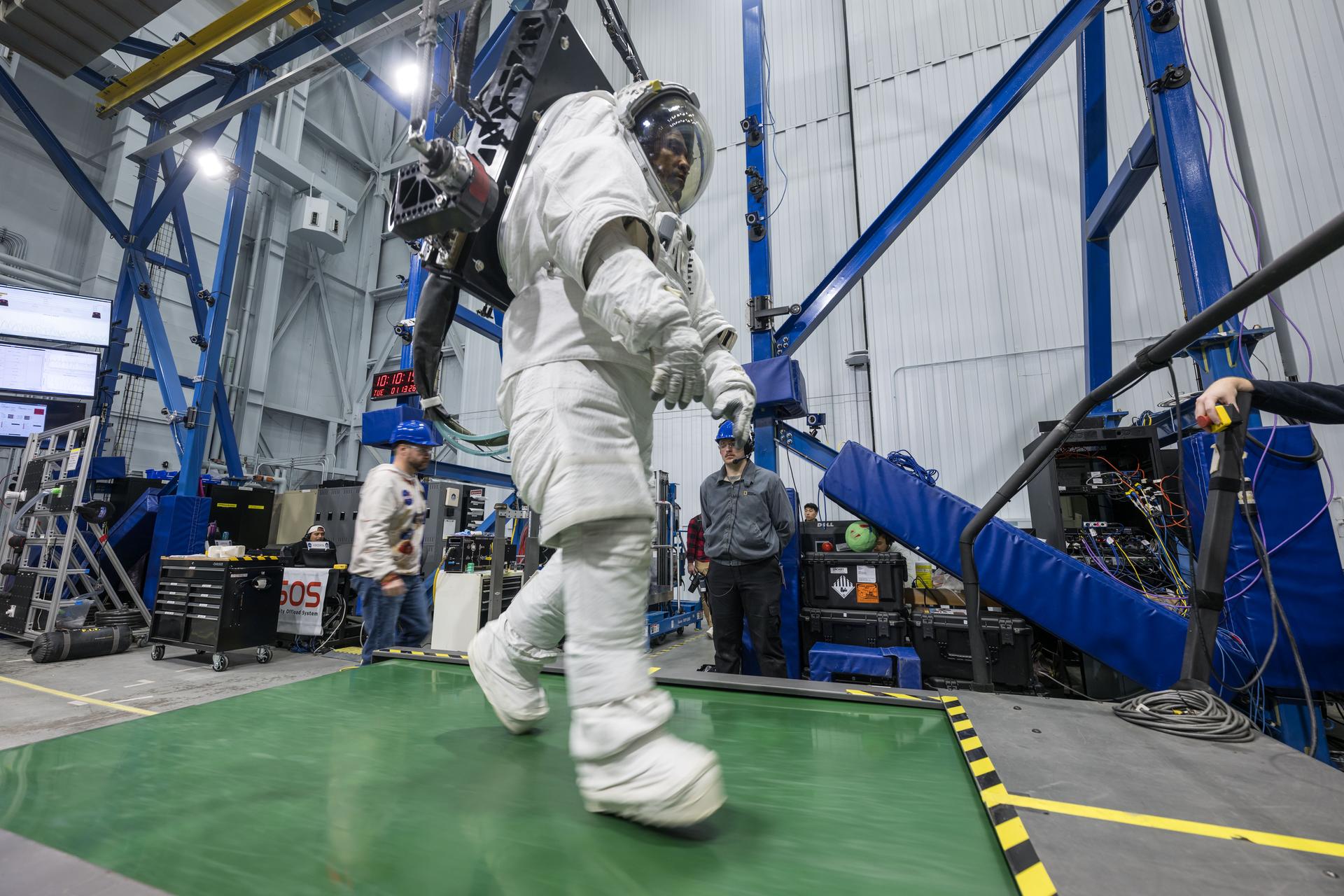
- NASA says Artemis II crew members splash down safely in the Pacific Ocean on April 10 after a lunar flyby mission.
- Science investigations and observations from Artemis II are being reviewed on Earth.
- Results from the investigations are intended to support safe human exploration of deep space.
- NASA says the findings will help provide a blueprint for conducting science on the Moon’s surface.
- NASA links the ongoing research to future plans for building a Moon base and sustaining an ongoing human presence.
Since NASA's Artemis II crew members safely splashed down in the Pacific Ocean on April 10 after their record-setting mission around the moon, science teams have been busy collecting more data and combing through observations collected on the test flight. Results from these science investigations will help support safe human exploration of deep space and provide a blueprint for how future missions will conduct science on the lunar surface as NASA builds a moon base and develops an enduring human presence there.
2 months agoResults from Artemis II’s science investigations will help support safe human exploration of deep space and provide a blueprint for how future missions will conduct science on the lunar surface as NASA builds a Moon Base and develops an enduring human presence there.
2 months ago
Developers use routing and open-model APIs to cut AI inference costs and reduce lock-in risk
Developers writing about production AI use emphasize that costs and reliability problems increasingly come from how mode...

Minnesota sues Texas Gov. Abbott to force extradition of ICE agent facing assault charges
Minnesota sues Texas Gov. Greg Abbott to require the extradition of an Immigration and Customs Enforcement (ICE) agent w...

Satellite image recreation depicts D-Day troop landings over Normandy
On the morning of D-Day, Allied forces launch one of the largest seaborne invasions in history, with roughly 160,000 tro...