


Kosovo is set to hold snap parliamentary elections in June, its third parliamentary vote in a little over a year and a half. Prime Minister Albin Kurti formed a government in February, but political tensions quickly resurfaced over the election of the country’s president. Multiple sources describe that lawmakers repeatedly failed to elect a new president, leading to a political deadlock. The breakdown in the presidential election process is presented as the key factor behind the decision to call early elections, effectively resetting the parliamentary mandate. While the reporting focuses on the presidential impasse, it also reflects the broader instability created by frequent electoral cycles. The forthcoming vote is therefore framed as a response to institutional difficulties in filling the presidency, rather than a single policy dispute. The planned elections take place against the backdrop of ongoing efforts to establish stable governance following Kurti’s February government formation.
Kosovo to hold snap parliamentary elections in June amid presidential deadlock
Kosovo is set to hold snap parliamentary elections in June, its third parliamentary vote in a little over a year and a half. Prime Minister Albin Kurti formed a government in February, but political t...
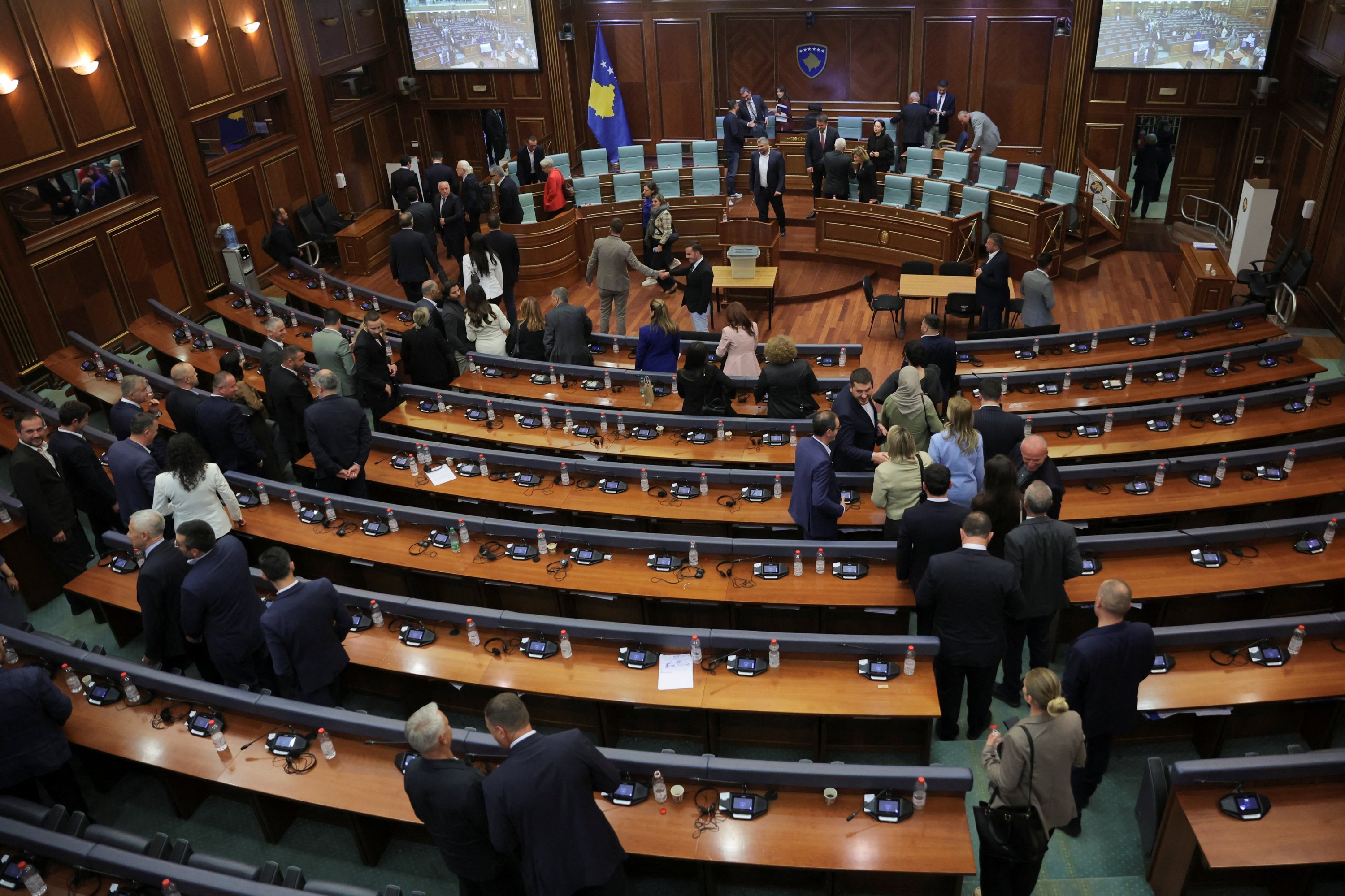
- Kosovo is scheduled to hold snap parliamentary elections in June.
- The election will be the third parliamentary election in a little over a year and a half.
- Prime Minister Albin Kurti formed a government in February.
- Lawmakers repeatedly fail to elect a new president, creating a political deadlock.
- The presidential impasse is cited as the main reason for calling early elections.
Kosovo will soon hold its third parliamentary election in a year and a half. Prime Minister Albin Kurti was able to form a government in February, but now there's political deadlock over who should be elected president.
3 months agoKosovo will soon hold its third parliamentary election in a year and a half. Prime Minister Albin Kurti was able to form a government in February, but now there's political deadlock over who should be elected president.
3 months agoKosovo is headed for its third parliamentary election in just over a year after repeated failures by lawmakers to elect a new president plunged the young Balkan nation back into po...
3 months ago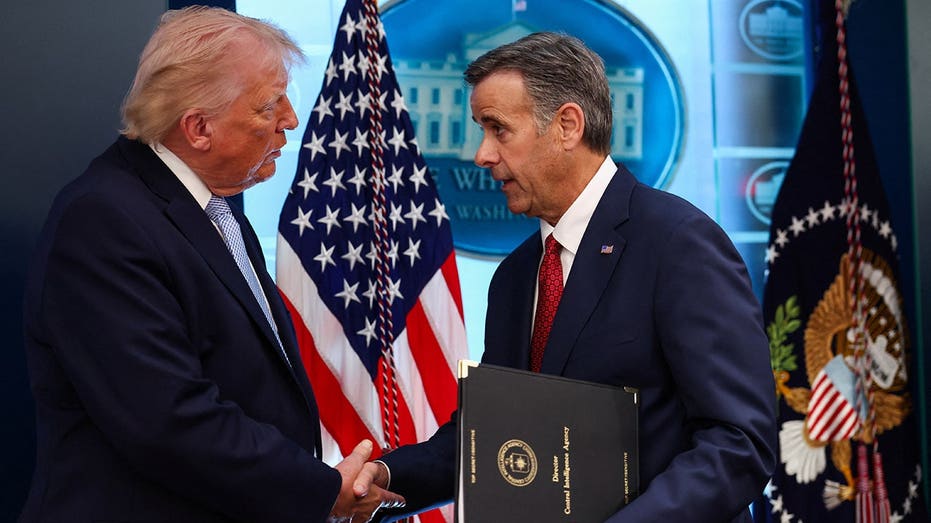
CIA Director John Ratcliffe visits Moscow for intelligence contacts, US media report
CIA Director John Ratcliffe travels to Moscow for meetings, according to multiple US media outlets citing unnamed source...

Atiku says he has evidence President Tinubu is 90 and will present it in court
Former Vice President Atiku Abubakar, an African Democratic Congress (ADC) presidential candidate for Nigeria’s 2027 ele...
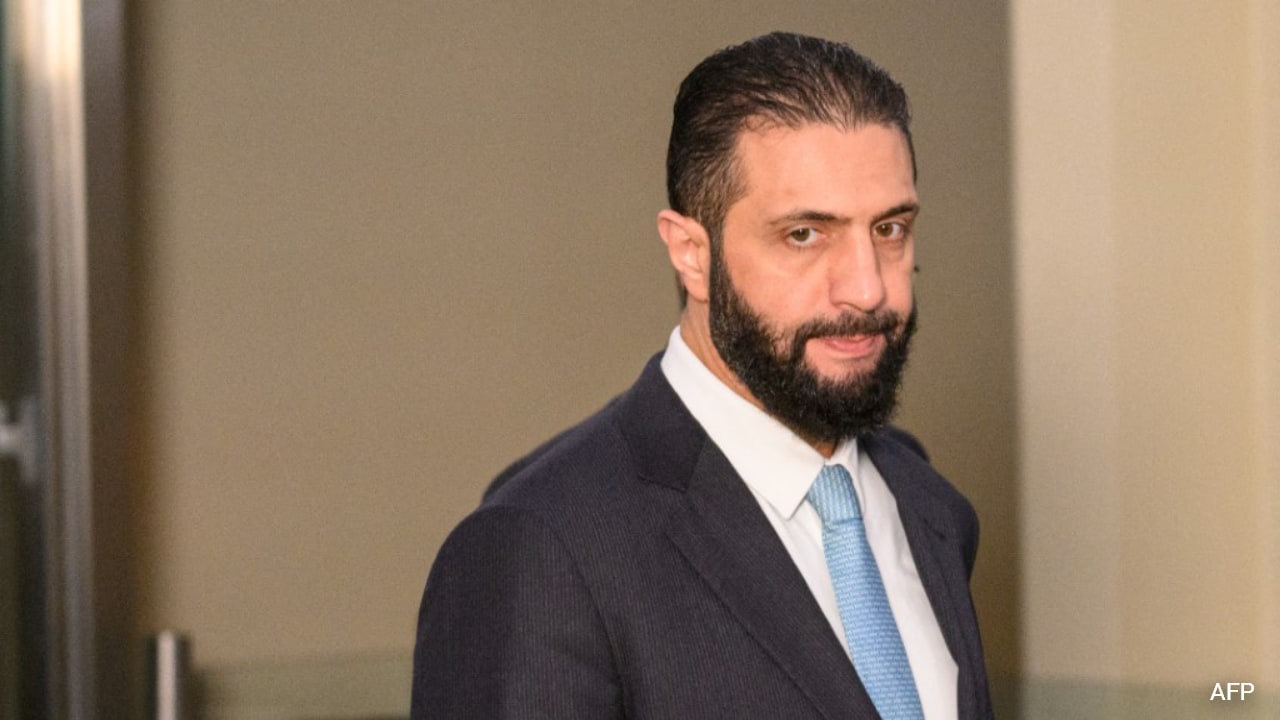
Syria President appoints ex-SDF commander Mazloum Abdi as presidential adviser
Syrian President Ahmed al-Sharaa appoints Mazloum Abdi, a former commander of the Kurdish-led Syrian Democratic Forces (...