


New research published in *Food & Function* examines flavanols, a group of plant compounds linked with lower cardiovascular risk, and finds that many people do not consume enough of them even when they meet common fruit-and-vegetable intake recommendations. The analysis points to an intake target of about 500 mg of flavanols per day, a level drawn from the COSMOS trial and associated with reduced risk of cardiovascular death. Researchers assess dietary guidance adherence using biomarker data, including urine samples, from more than 30,000 participants in the UK and US. They report that only a minority reach the 500 mg daily flavanol goal: one source states that roughly 25% of people who follow recommended fruit-and-vegetable guidelines meet the target, while fewer than one in five met it overall. The studies also conclude that flavanol content varies widely across foods, so total fruit and vegetable servings do not guarantee sufficient flavanols. Foods repeatedly highlighted as relatively high in flavanols include plums, cranberries, blackberries, cherries, apples with skin, strawberries, blueberries, broad beans and pinto beans, along with green tea. Both outlets emphasize that five-a-day remains beneficial, while making specific food choices may add extra potential heart protection.
Study finds many people fall short on heart-beneficial flavanols, even with five-a-day
New research published in *Food & Function* examines flavanols, a group of plant compounds linked with lower cardiovascular risk, and finds that many people do not consume enough of them even when the...
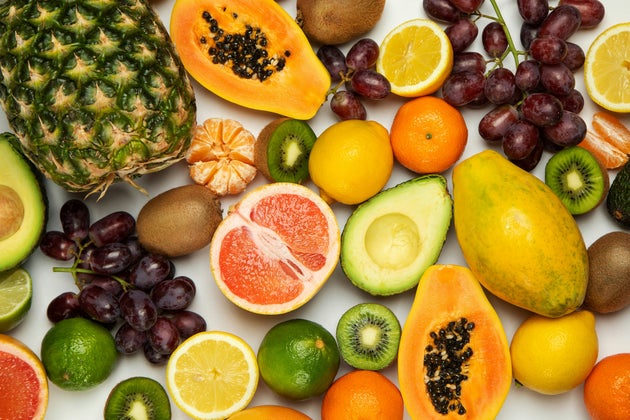
- A *Food & Function* study links flavanols to heart health and assesses whether fruit-and-vegetable guidelines provide enough.
- Researchers use a 500 mg/day flavanol target associated with lower risk of cardiovascular death from the COSMOS trial.
- Biomarker-based data from over 30,000 participants show many people fall short of the 500 mg/day flavanol goal, including some who meet general produce recommendations.
- Flavanol levels vary by food, so total fruit-and-vegetable portions do not ensure adequate flavanol intake.
- Foods cited as relatively high in flavanols include plums, cranberries, blackberries, cherries, apples (with skin), strawberries, blueberries, certain beans, and green tea.
Research shows that certain fruits and vegetables may be higher in flavanols, which improve heart health. Image Credit: Alex_Schmidt/Getty Images A recent study has found that most people are not getting enough flavanols in their diet. Flavanols are naturally occurring compounds that are found in various foods and drinks, including fruits and vegetables. Research has found that eating around 500 mg of flavanols per day can reduce your risk of death from cardiovascular disease. Not all fruits and vegetables are equal. Some have higher levels of flavanols than others. Eating plenty of fruits and vegetables is an important part of a healthy and balanced diet. The current Dietary Guidelines for Americans recommends 2–3 servings of fruits and vegetables each day. The United Kingdom’s National Health Service (NHS) takes this a step further and recommends 5 portions of fruits and vegetables each day. Whichever recommendation you choose to follow, a recent study published in Food and Function found that most people are not getting enough flavanols in their diets to protect heart health. The researchers note that some fruits and vegetables are higher in flavanols than others. This doesn’t mean you shouldn’t eat the lower-level ones, but it may mean you want to eat more of the higher-level ones, especially if you’re concerned about cardiovascular disease risks. “Flavanols can significantly reduce the risk of dying from cardiovascular disease, but only if you consume enough of them,” Javier Ottaviani, PhD, director of the Core Laboratory of Mars Edge, part of Mars Inc, and lead author of the study, said in a press statement. “Most people assume that eating plenty of fruit and vegetables covers this, but what this research shows is that the specific choices you make matter far more than the total amount. Including a handful of blackberries, a whole apple, or having a cup of green tea alongside your meal could make a real difference to how much of these beneficial compounds you actually consume and absorb from the diet,” Ottaviani continued. Flavanols help lower cardiovascular disease risk by 27% The study tracked the diets of 30,000 participants across the United Kingdom and the United States using biomarker measurements. Previous research from the largest randomized controlled study on polyphenols, COSMOS, found that eating 500 milligrams (mg) of flavanols daily helped lower the risk of death from cardiovascular disease by up to 27%. This study used data from COSMOS to develop and assess the hypothesis that adhering to current recommended amounts of fruit and vegetables meets the 500mg of flavanols daily. It then used EPIC Norfolk to assess replication in an independent, population-based sample with differing dietary patterns. The researchers found that most people fell well short of meeting the 500mg of flavanols each day, even when following standard healthy eating guidance from sources like the Dietary Guidelines for Americans and the NHS Eating Well guide. “This study highlights the value of being more intentional within broader food groups. While all fruits can fit into a healthy diet, regularly choosing flavanol-rich options like berries and apples may offer added cardiovascular benefits,” said Michelle Routhenstein, preventive cardiology dietitian at EntirelyNourished. Routhenstein wasn’t involved in the study. “This is not about focusing on a few ‘superfoods,’ but about thoughtfully including evidence-based, nutrient-rich choices within an overall balanced dietary pattern. The overall diet remains most important, with these findings helping refine which foods may provide an extra layer of heart protection,” she told Healthline. Which fruit, veg are high in flavanols? According to other research, there are certain fruits and vegetables that have the highest levels of flavanols: Plums (500 g): approximately 450mg of flavanols Cranberries (250 g): approximately 300mg of flavanols Blackberries (200 g): approximately 250mg of flavanols Green tea (one 250 ml cup): approximately 200mg of flavanols Broad beans or fava beans (80 g): approximately 140mg of flavanols Cherries (400 g): approximately 130mg of flavanols Apples with skin (200 g, or one medium apple): approximately 110mg of flavanols Strawberries (200 g): approximately 90mg of flavanols Blueberries (150 g): approximately 80mg of flavanols Pinto beans (40 g, 2 Tbsp dry): approximately 70mg of flavanols “Rather than focusing on adding every flavanol-rich food, I find it is more sustainable to choose one or two favorites and make them a consistent part of the diet,” said Routhenstein. “For example, someone who enjoys berries could add them to breakfast several times per week, while a tea drinker might benefit from incorporating a daily cup of green or black tea. Small, enjoyable habits are often the most effective way to increase flavanol intake and support long-term heart health,” she added. The study findings may raise questions about whether the current guidelines regarding fruit and vegetable consumption could be made more effective. However, Routhenstein told Healthline that part of the issue is “that many people still don’t meet basic fruit and vegetable recommendations.” “Before focusing on specific flavanol targets, the priority is ensuring adequate overall produce intake. Simple, sustainable changes, like adding berries to breakfast or choosing tea instead of a sugary drink, can naturally increase flavanol intake while improving diet quality,” she said. “The goal is not to target a single nutrient, but to build a diverse plant-rich dietary pattern that supports long-term cardiovascular health.”
Many of us grew up hearing how important it is to eat five portions of fruits and/or vegetables a day.But if you’re looking to boost your heart health in particular, you might want to pay attention to which fruits and veggies make the cut. New research, published in Food And Function, found even those people who reach their recommended daily fruit and vegetable consumption might be running low in an important nutrient called flavanols. What are flavanols? These are chemical compounds, also known as flavan-3-ols or catechins, which are found in various plants and appear to act as antioxidants, which are linked to better heart and brain health. They appear in cocoa, grapes, plums, and some teas, as well as other fruits and vegetables. What’s the ideal flavanol intake a day? We should eat 500mg of flavanols a day to see heart health benefits, research suggests. This is why the Food And Function study sought to examine our current fruit and vegetable consumption guidelines. Even though people might assume you’d get enough flavanols from eating your recommended fruit and veg amount, the researchers wanted to see whether that was really true.After looking at data and urine samples from over 30,000 participants, this paper found that only 25% of those who stuck to recommended dietary guidelines were actually hitting that flavanol goal. Overall, fewer than one in five participants met the target in this study.“These results show that adherence to current dietary guidelines is not sufficient to address flavanol intake in amounts shown to significantly reduce the risk of cardiovascular death in the COSMOS trial,” the paper reads.The Cocoa Supplement and Multivitamin Outcomes Study (COSMOS) trial was a randomised controlled trial that sought to find out how cocoa extract and/or a daily multivitamin might affect our heart health. This is where researchers pulled the 500mg a day flavanol recommendation from.Which fruits and vegetables might be most important for heart health? Part of the problem, the researchers said, is that not all fruits and vegetables carry as many flavanols as others. That means some are more effective at helping you reach your heart health goals. According to the researchers’ investigations, the fruits and legumes (and tea) highest in flavanols were: Plums (500g) – 450mg flavanols, or almost your daily recommendation, Cranberries (250g) – 300mg flavanols, Blackberries (200g) – 250mg flavanols, Green tea (250ml) – 200mg flavanols, Broad beans (80g) – 140mg flavanols,Cherries (400g) – 130mg flavanols, Apple (one medium, skin on) – 110mg flavanols,Strawberries (200g) – 90mg flavanols, Blueberries (150g punnet) – 80mg flavanols,Pinto beans (two tablespoons) – 70mg flavanols.Aiming for five-a-day is still positiveThe British Nutrition Foundation said that the best approach to a healthy diet is balance, with plenty of fibre, enough protein, and five portions of fruit and vegetables a day. This study noted that even though not all of the members who ate their five-a-day met their flavanol guidelines, they were still more likely to have more of the beneficial compound than those who ate fewer fresh produce. And some research has found that getting your five-a-day still has longevity benefits, including a reduced risk of death from cancer, respiratory diseases, and heart disease. Related...The Fruit Linked To Better Heart Health And Slower Brain AgeingA Professor Ranked The 41 Best Fruits And Veg To Fight DiseaseI Just Learned What A Clove Is Made From – And It's Not A Fruit, Root, Leaf, Or Veg
2 months ago
Coronation Street’s Kit Green faces stage-three breast cancer diagnosis after family death
Coronation Street introduces a major health storyline for police officer Kit Green after his estranged aunt dies of brea...

French LGBTQ activist hospitalized after homophobic attack in central Paris
A French LGBTQ rights association leader, Pierre Picave, is hospitalized after a nighttime attack in Paris, activists an...

Ghent University suspends Nathan Cofnas over plagiarism-accuser role in Jason Arday case
Ghent University suspends US academic Nathan Cofnas, who publicly raised plagiarism allegations involving late Universit...