


Plastic pollution is harming oceans and marine life, but sustainable alternatives are often not able to compete in mainstream markets, according to UN reporting. The UN highlights that alternatives—such as products made from seaweed—face economic and regulatory barriers that slow their scale-up and limit market access. One challenge is tariffs and other trade measures that can raise the cost of importing or producing sustainable materials, making them less competitive than conventional plastic. Another challenge is fragmented regulations: rules that differ across countries can create uncertainty for producers and complicate compliance and supply chains. In parallel, fossil fuel-based plastics benefit from an entrenched market advantage, supported by established production systems and widespread availability. As a result, even when sustainable options exist, their uptake can be constrained by higher upfront costs, uneven policy conditions, and limited commercial competitiveness. The reporting focuses on the structural factors that affect the pricing and adoption of greener materials, rather than on any single product or country.
Why sustainable alternatives to plastic struggle to compete
Plastic pollution is harming oceans and marine life, but sustainable alternatives are often not able to compete in mainstream markets, according to UN reporting. The UN highlights that alternatives—su...
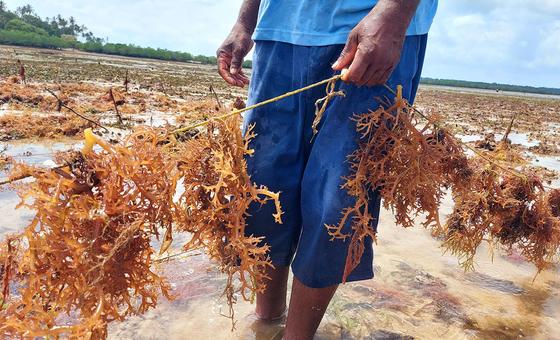
- Plastic pollution is harming the ocean, with marine impacts widely documented.
- Sustainable plastic alternatives, including seaweed-based options, face barriers to competing in markets.
- Tariffs and other trade measures can increase the cost of sustainable alternatives.
- Regulations for sustainable materials are fragmented across countries, complicating compliance.
- Fossil fuel-based plastics retain a major market advantage, limiting demand for alternatives.
[UN News] Plastic pollution is choking the ocean, but sustainable alternatives - including seaweed - remain held back by tariffs, fragmented regulations and the overwhelming market advantage enjoyed by fossil fuel-based plastics.
2 months agoPlastic pollution is choking the ocean, but sustainable alternatives - including seaweed - remain held back by tariffs, fragmented regulations and the overwhelming market advantage enjoyed by fossil fuel-based plastics.
2 months ago
Ukraine attack reported on Russian Engels-2 airbase damages a TU-95 bomber
Ukrainian strike reports say a Russian TU-95 bomber is damaged at Engels-2 airbase in Russia’s Saratov region. The claim...

Elizabeth Quigley resigns from BBC Scotland citing health issues
Journalist Elizabeth Quigley, the wife of Scottish First Minister John Swinney, resigns from BBC Scotland on health grou...

Report links UK grooming gangs to organised crime networks, drugs and violence
A report on organised criminal networks says some people and groups involved in child sexual exploitation are also conne...