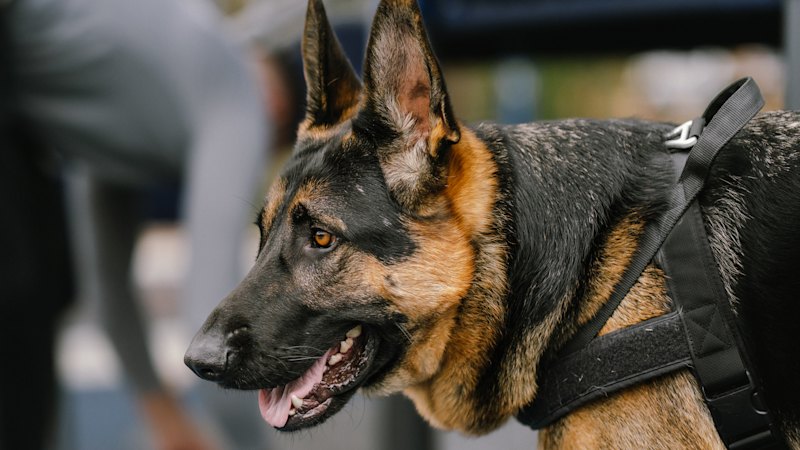
Hospitals are trialling the use of sniffer dogs in closed psychiatric wards to reduce the risk of illicit drug possession and trafficking within facilities. The reports say the initiative involves deploying trained dogs in secure mental health settings, aiming to detect prohibited substances in areas where patients are confined. The move has prompted differing views among mental health experts. Supporters argue that the potential harm from illicit drugs in hospital environments makes additional security measures necessary, particularly in closed wards where access is restricted.
Critics raise concerns about patient privacy and the appropriateness of using animal detection methods in psychiatric care. They argue that such measures may be intrusive for patients, potentially undermining trust and the therapeutic environment. Across the outlets, the central issue is described as a balance between safety and privacy: addressing illicit drug risks while considering the impact of surveillance-like practices on vulnerable patients. The articles present the trial as an effort to manage security challenges in psychiatric wards, with expert disagreement focused on ethics and patient rights.