


Russia is promoting its Northern Sea Route as an alternative trade corridor connecting Europe and Asia via the Arctic. The route’s appeal is based on shortening voyage times compared with the traditional routes around the Cape of Good Hope or through the Suez Canal. However, multiple challenges limit its potential to become a reliable artery for global shipping. Politically, the Arctic route is shaped by governance disputes and differing national interests, which can affect access, regulation, and coordination among stakeholders. Environmentally, Arctic conditions remain difficult and unpredictable. Shipping in these waters depends on sea-ice patterns and weather, which can vary from season to season, creating operational uncertainty. At the same time, the remote and fragile Arctic ecosystem increases the risk and consequences of accidents or pollution, raising the bar for safety and environmental safeguards. Taken together, these factors mean the Northern Sea Route may expand in some circumstances, but it is not yet a straightforward substitute for existing global shipping lanes due to political constraints and environmental risk management requirements.
Russia’s Northern Sea Route faces political and environmental hurdles for global trade
Russia is promoting its Northern Sea Route as an alternative trade corridor connecting Europe and Asia via the Arctic. The route’s appeal is based on shortening voyage times compared with the traditio...

- Russia promotes the Northern Sea Route as a trade corridor between Europe and Asia.
- The route can be shorter than traditional shipping paths around major chokepoints.
- Political hurdles affect access, regulation, and coordination for Arctic shipping.
- Environmental conditions and the Arctic ecosystem add risk and operational uncertainty.
- Safety and pollution risks in remote Arctic waters require strong safeguards.
Russia wants its Northern Sea Route to become an important artery of global trade. However, the Arctic shortcut between Europe and Asia is fraught with both political and environmental hurdles.
3 months agoRussia wants its Northern Sea Route to become an important artery of global trade. However, the Arctic shortcut between Europe and Asia is fraught with both political and environmental hurdles.
3 months ago
UK rules allow sale of plug-in solar panels as retailers begin stocking compliant systems
New rules allow plug-in solar panels to be sold in the UK, with compliant products starting to appear at retail outlets....
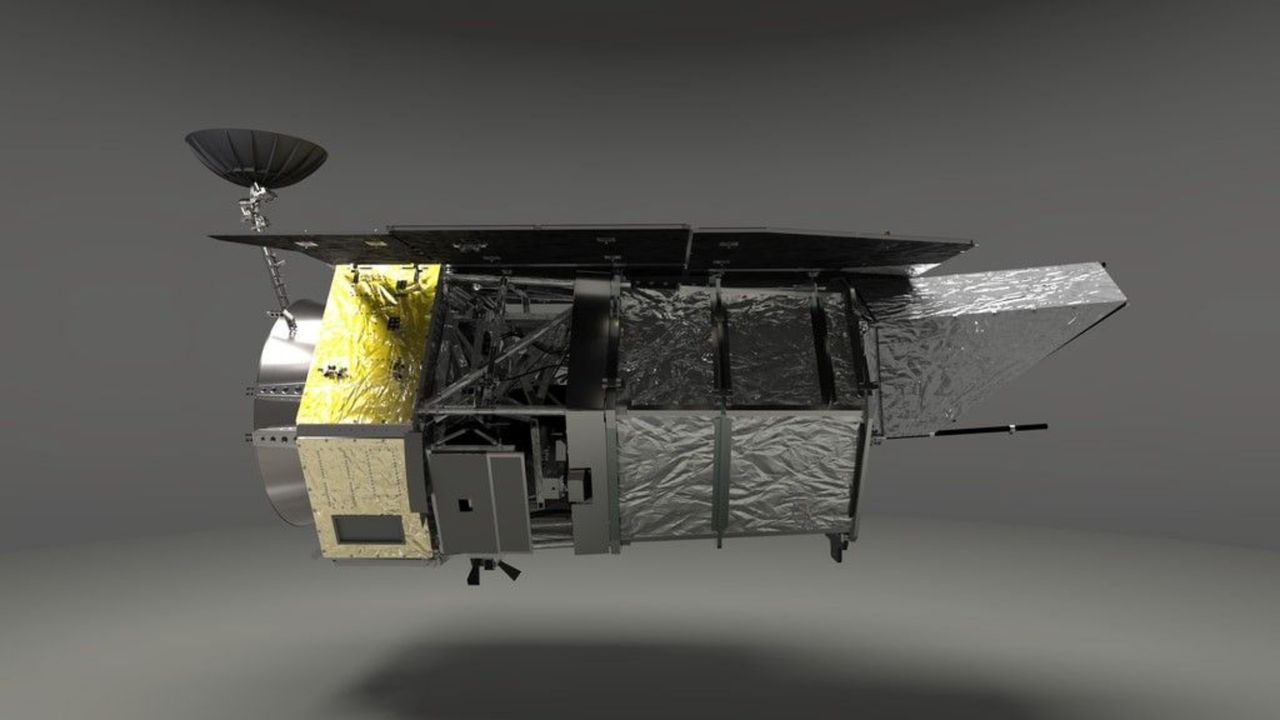
NASA readies Nancy Grace Roman Space Telescope for Aug. 30 launch on SpaceX Falcon Heavy
NASA is preparing the Nancy Grace Roman Space Telescope for a planned launch on Sunday, Aug. 30, 2026. Multiple outlets...

Report: Pete Hegseth orders military chief to end Kid Rock flyby probe before dismissal
Several outlets report that U.S. Defense Secretary Pete Hegseth directs Army leadership to stop an investigation into a...