


Research reported by multiple outlets says a recent spike in gasoline prices is hitting lower-income Americans the hardest and widening existing economic disparities. Both sources describe the effect as disproportionate because households with lower incomes typically spend a larger share of their budgets on fuel and other transportation-related costs. As prices rise, the increase in fuel spending leaves less room for other necessities, which can intensify financial strain compared with higher-income households that may absorb higher costs more easily. The Independent and Winnipeg Free Press both frame the findings as part of a broader pattern in which rising fuel prices do not affect all income groups equally. The research also indicates that the gap between income groups can widen when costs for essentials increase faster or more sharply than income. While the outlets focus on inequality impacts, neither summary provides specific numerical measures, the study’s methodology, or the exact magnitude of the price changes. Overall, the reported conclusion is that the gas price surge amplifies pre-existing economic differences across the United States.
Gas price surge disproportionately burdens lower-income Americans, research finds
Research reported by multiple outlets says a recent spike in gasoline prices is hitting lower-income Americans the hardest and widening existing economic disparities. Both sources describe the effect...
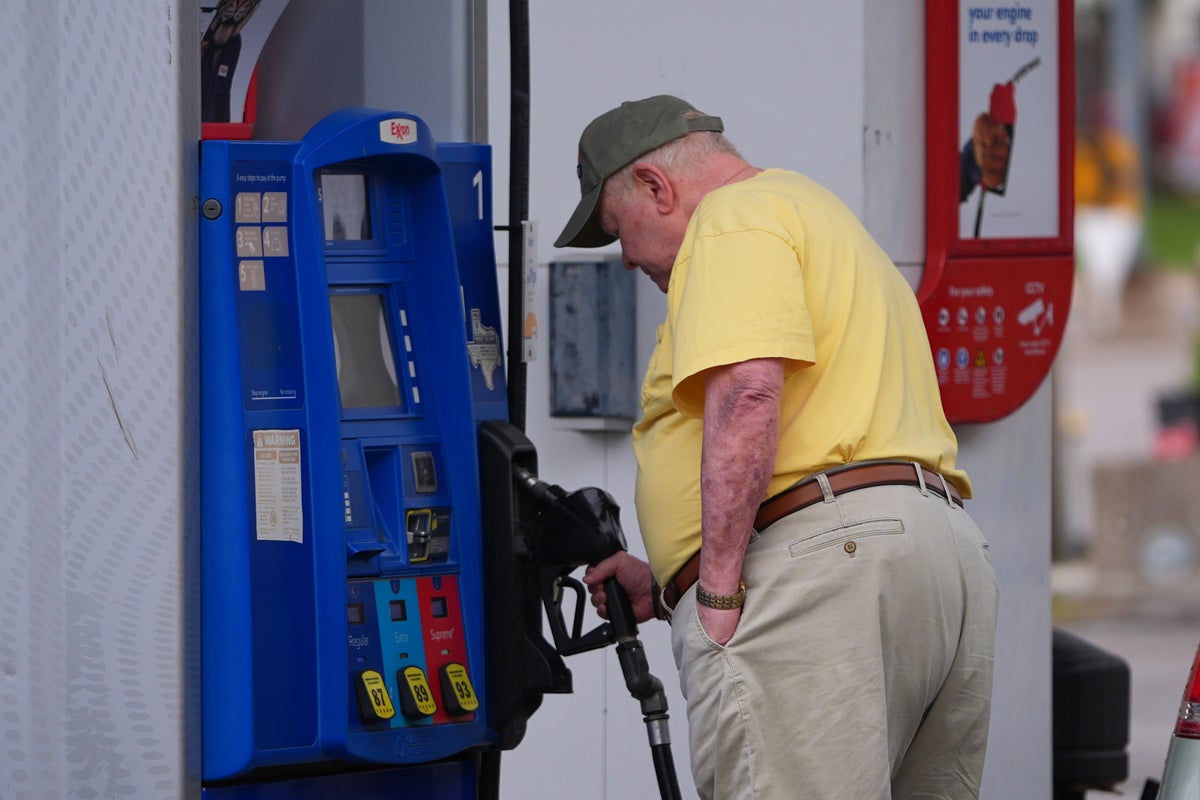
- A gas price surge affects Americans unequally, with lower-income households hit the hardest.
- Lower-income households typically spend a larger share of their budgets on fuel and transportation costs.
- The increased fuel costs intensify financial strain for lower-income families compared with higher-income groups.
- The trend is described as widening existing economic disparities across the United States.
This trend has exacerbated existing economic disparities across the nation
3 months ago
Tennessee governor proposes renaming Nashville International Airport for Dolly Parton
Nashville International Airport is being considered for a rename in honour of country singer Dolly Parton following her...

Pastor Kingsley Okonkwo launches paid Christian matchmaking platform amid backlash
Pastor Kingsley Okonkwo, leader of David’s Christian Centre, launches “Mentor To Marry,” a Christian matchmaking platfor...

Poco Lee to face London court on September 15 over alleged assault offences
Nigerian entertainer Iweh Odinaka, known as Poco Lee, is on remand in the UK and is scheduled to appear at Snaresbrook C...