


Across multiple outlets, researchers and conservation stakeholders discuss how artificial intelligence is increasingly being applied to biodiversity and conservation work. Conservation groups often face very large ecological datasets, such as long-running weather records or tracking data from vast numbers of insects. Traditionally, scientists manually sort and analyze these data, then use statistical methods that can oversimplify complex ecological signals. The emerging view described in the coverage is that AI can help manage and interpret these large-scale inputs more effectively, potentially improving how patterns are detected and decisions are supported. At the same time, commentators highlight concerns that AI may become a “shortcut” if outputs are treated as definitive without sufficient validation. The conversation frames AI as one of the leading emerging issues in biodiversity conservation, indicating that both potential gains and potential downsides are under active evaluation by conservationists. Overall, sources agree that AI is being considered for nature conservation because of the scale and complexity of ecological data, while the field is still assessing how to use it responsibly and reliably in decision-making.
AI use in nature conservation sparks debate over benefits and risks
Across multiple outlets, researchers and conservation stakeholders discuss how artificial intelligence is increasingly being applied to biodiversity and conservation work. Conservation groups often fa...
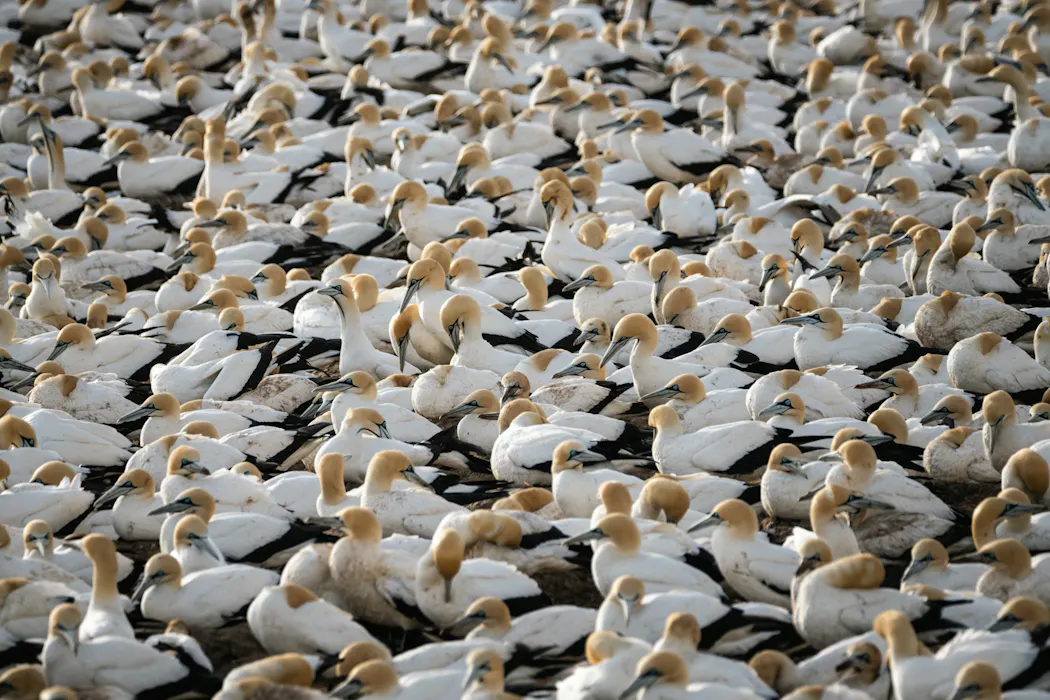
- Conservation work often involves analyzing very large ecological datasets, such as decades of weather data or large insect movement datasets.
- AI is increasingly discussed as a way to analyze complex ecological information more efficiently than manual sorting and oversimplified statistics.
- The debate centers on whether AI provides a powerful tool or whether it could be used as an insufficiently validated shortcut.
- AI use in biodiversity and nature conservation is described as an emerging and high-priority issue.
- Sources emphasize active assessment of both potential benefits and potential risks in how AI informs conservation decisions.
Conservationists analyze overwhelming volumes of ecological data in their work. For example, they might need to process decades of weather data or the movements of millions of insects. Up until now, these scientists and decision makers have had to manually find and sort information, then use statistical tools which often oversimplify the source information.
2 months agoThe use of artificial intelligence tools is among the top emerging issues in biodiversity conservation.
2 months ago
Dolly Parton dies at 80 after brief battle with cancer, family and spokespeople say
Dolly Parton, the country music star, dies at age 80 after what her team describes as a brief battle with cancer. Multip...

911 calls detail early moments of deadly shooting at Seattle’s Bite of Seattle festival
Newly released 911 recordings describe the first moments of a deadly shooting at Seattle’s Bite of Seattle festival near...

Samay Raina felicitated by Maharashtra CM at cyber-awareness event, jokes about ‘active’ cyber cell
Comedian and YouTuber Samay Raina is felicitated by Maharashtra Chief Minister Devendra Fadnavis at a cyber-awareness ev...