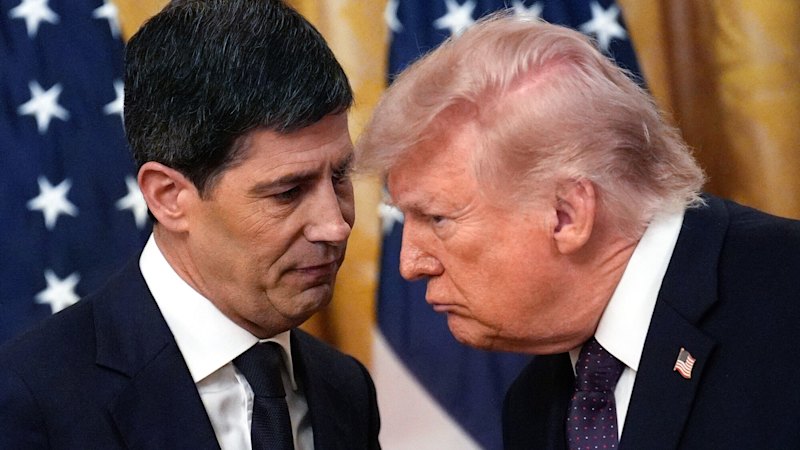
Multiple outlets report that newly appointed US Federal Reserve Chair Kevin Warsh has discussed how gains from artificial intelligence could affect interest rates. The coverage frames his position as suggesting that improved productivity from AI could, under some conditions, support lower borrowing costs in the future because stronger economic output could reduce upward pressure on interest rates.
However, the articles also note differing interpretations of the implication for policy rates. While Warsh’s argument points toward the possibility of meaningful rate cuts, the stories state that the practical effect is uncertain and could run in the opposite direction depending on how AI-driven growth interacts with inflation, labor-market dynamics, and broader monetary conditions.
Overall, the reports emphasize that AI’s economic impact is not settled and that any shift in interest-rate expectations depends on the Fed’s assessment of inflation and growth rather than AI productivity forecasts alone.