


Multiple reports describe Ivory Coast’s media environment as relatively more developed than in many neighboring West African countries, but still fragile. Journalists and outlets are said to operate under conditions of insecurity linked to broader regional conflict, which increases the risk of harassment and disruption. Both sources also point to political and economic pressures that contribute to reporting constraints. A central theme is self-censorship: media professionals adjust coverage and language to avoid consequences, reflecting concerns about accountability and possible retaliation. In addition, the outlets emphasize financial squeeze and resource constraints, which can limit investigative capacity and staff resilience. While the overall level of press freedom in Ivory Coast is characterized as stronger than in parts of the region, the reports stress that the system remains vulnerable to shifting political dynamics and worsening economic conditions. Together, the accounts portray a media landscape where legal or institutional openness exists alongside practical barriers shaped by safety concerns and limited funding.
Press freedom in Ivory Coast faces self-censorship, insecurity, and financial strain
Multiple reports describe Ivory Coast’s media environment as relatively more developed than in many neighboring West African countries, but still fragile. Journalists and outlets are said to operate u...

- Ivory Coast’s press freedom is described as stronger than in many other West African countries.
- Media outlets and journalists face insecurity related to conflict in the region.
- Political and economic pressures are increasing.
- Self-censorship is reported as a response to perceived risks and constraints.
- Financial strain affects how media organizations operate and report.
Press freedom is stronger in Ivory Coast than in many West African countries, but remains fragile amid regional conflict and mounting political and economic pressures.
2 months agoPress freedom is more established in Ivory Coast than in other west African countries but remains precarious in a region hit by conflict and under political and economic pressure.
2 months ago
Stephen Eustaquio joins Swansea City after Canada World Cup heroics
Stephen Eustaquio has joined Swansea City after a standout period for Canada, setting up a new chapter in English footba...
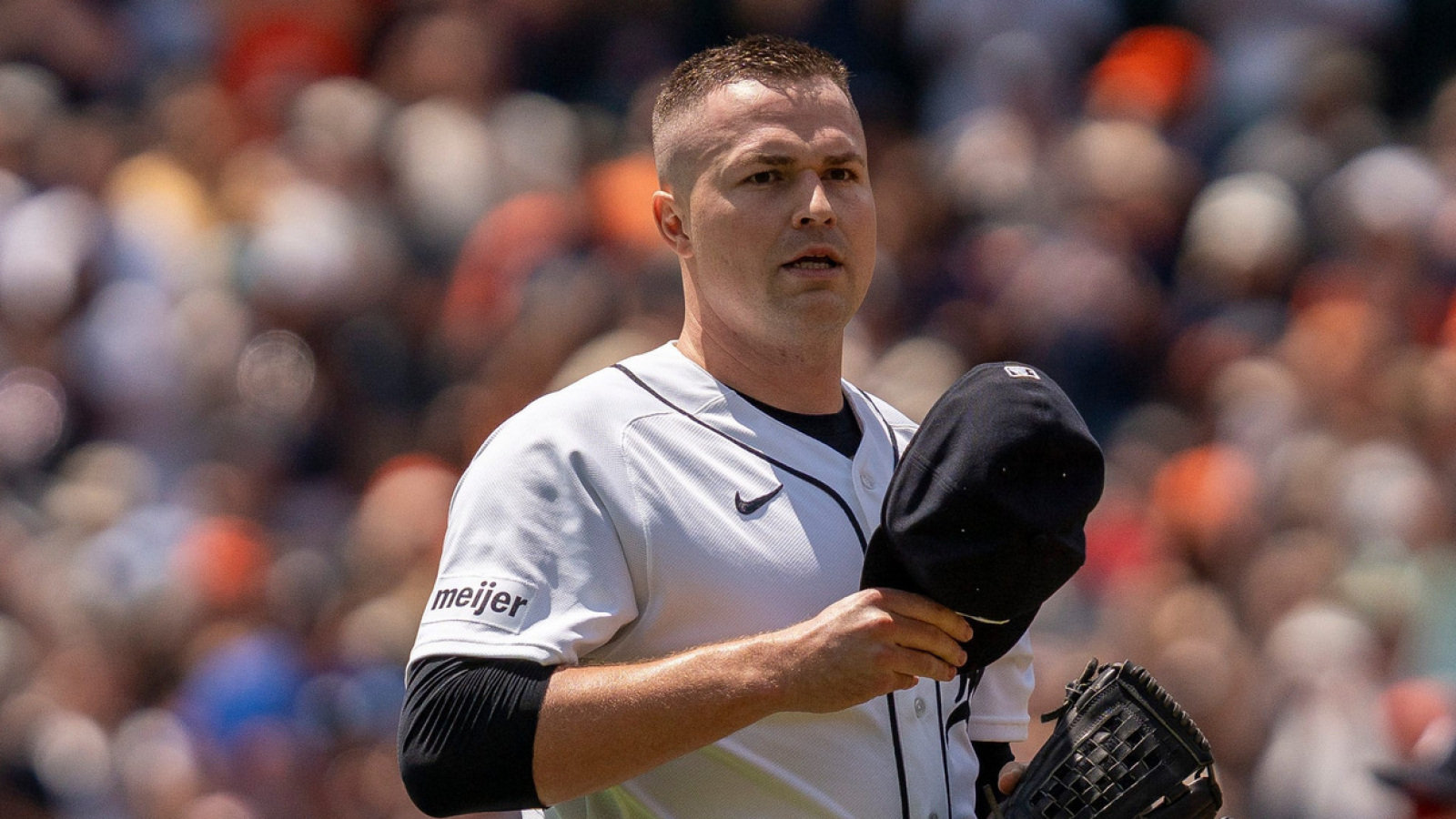
Tigers trade Cy Young winner Tarik Skubal to Dodgers for prospects, setting stage for reunion
The Detroit Tigers trade two-time Cy Young Award winner Tarik Skubal to the Los Angeles Dodgers, and Skubal is set to re...

Europa League group-stage draw sets Sunderland, Bournemouth, Palace and Celtic opponents
The Europa League draw for the 2026/27 league phase is completed, determining the opponents for teams including Sunderla...