


Butter and margarine are both composed of long fatty-acid chains, but small chemical differences change how each fat behaves during heating, according to a food scientist quoted across multiple outlets. The analyses focus on how those differences influence physical properties relevant to baking, particularly melting behavior. Because fats melt and spread differently, they can affect the texture and structure of baked goods, even when the two products are used as substitutes. While butter and margarine may appear similar as fats, their slightly different compositions can lead to distinct performance in recipes—such as how they incorporate into doughs and batters, and how they respond to oven temperatures. The outlets present the topic as a materials-and-chemistry issue rather than a matter of taste or branding, emphasizing that the “real differences” are chemical and functional. One piece frames the discussion around a familiar home-baking example, while another and a third provide a more direct scientific description of why melting and related behaviors can diverge between the two spreads.
Food scientist explains how subtle chemical differences between butter and margarine affect baking
Butter and margarine are both composed of long fatty-acid chains, but small chemical differences change how each fat behaves during heating, according to a food scientist quoted across multiple outlet...
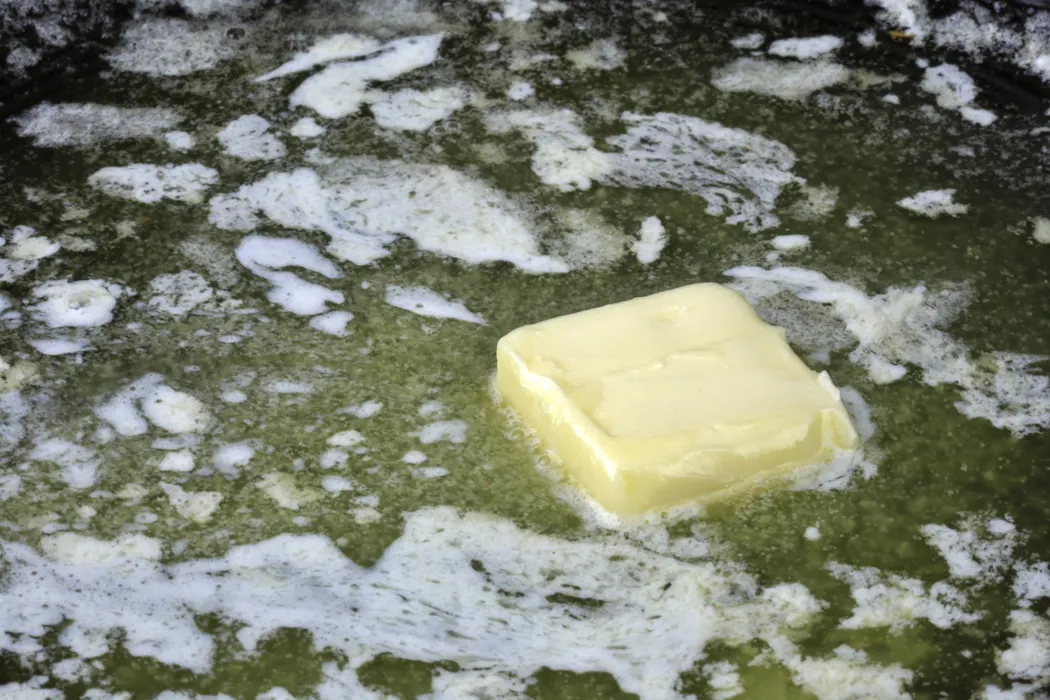
- Butter and margarine both contain long fatty-acid chains.
- Small chemical differences between butter and margarine affect how they melt.
- These melting and heating differences can influence the behavior of fats in baked goods.
- The articles attribute performance differences to chemistry and physical properties rather than branding or taste.
My mother loves butter. It is the primary fat I ate growing up. She smeared it on any kind of bread, potatoes, nut rolls or coffeecake. She baked with it exclusively.
2 months agoI am a food scientist and study how foods such as butter and margarine can have subtle chemical differences, with a big impact on how they act in food
2 months agoButter and margarine are both made up of long fatty acid chains, but some slight chemical differences mean differences in how they melt.
2 months ago
Norway’s King Harald V dies aged 89
Norway’s King Harald V dies at age 89, the Norwegian royal palace announces. Multiple outlets report that he dies peacef...

ClearWay Mobility unveils obstacle detection add-on for standard white cane
ClearWay Mobility introduces an obstacle detection device intended to be added to the standard white cane used by people...

SF Holding reports solid first-half 2026 results and accelerating international growth
SF Holding reports solid financial performance for the first half of 2026, alongside what it describes as accelerating i...