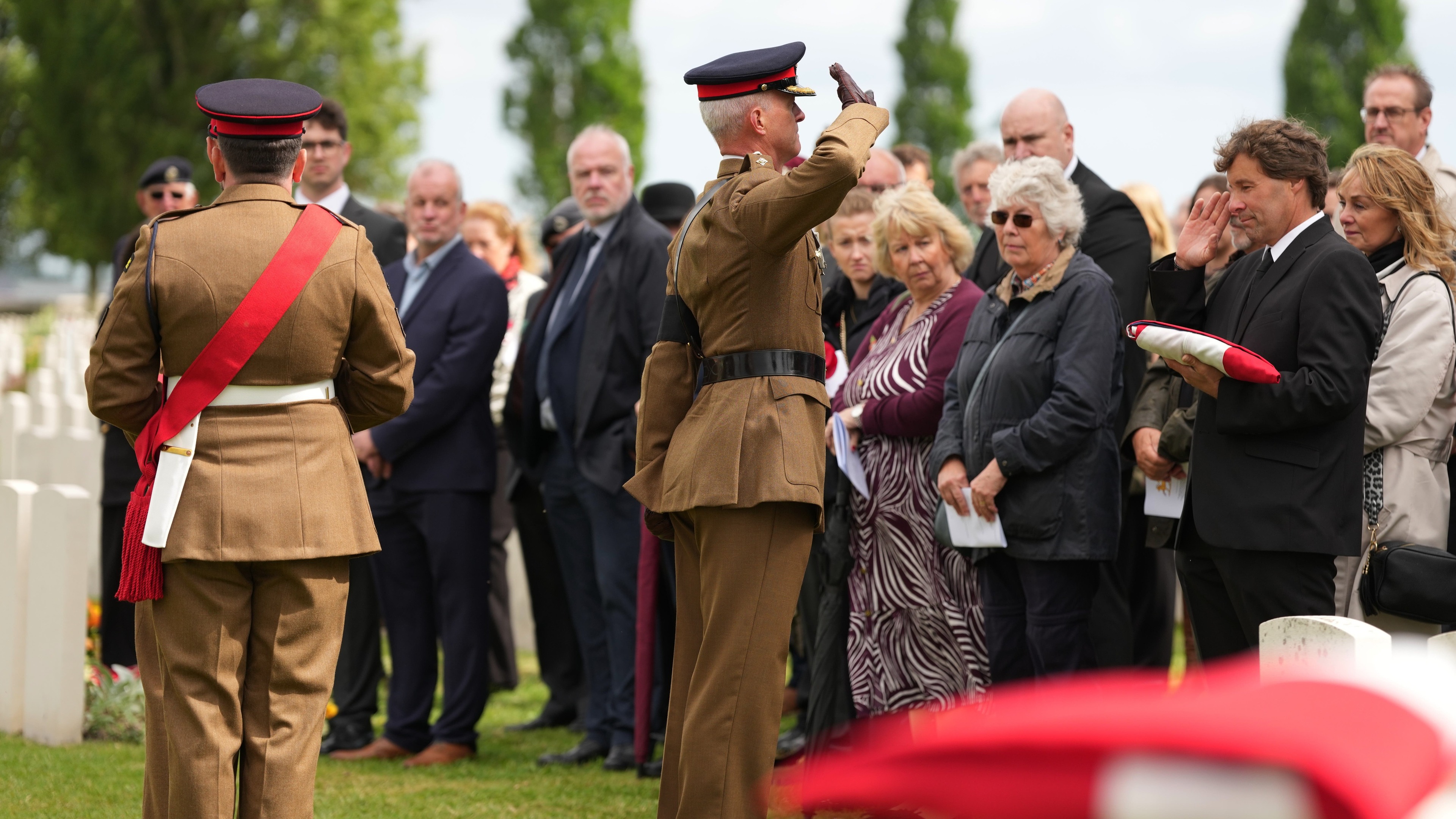
Multiple outlets report that a World War I postcard found among historical items helps identify a soldier and reconnects his surviving family more than a century later. The postcard, written from “home” during the war, contains identifying details that allow researchers to trace the soldier’s identity. Once the individual is identified, communications are made with descendants and relatives who had been unable to confirm his fate or personal history. The discovery ultimately results in a family reunion, bringing relatives together around shared family connections linked to the wartime message.
The reports describe the postcard as the key piece of evidence that connects archival searching to living family members. While the articles focus on the emotional impact of the reunion, they also emphasize the identification process—using what the postcard says and includes to link it back to the correct person. Across sources, the main points are consistent: a WWI postcard is located, it enables the soldier’s identification, and it leads to reunification of his family generations later.