


Researchers report the discovery of an exceptionally large “whale graveyard” in the southeastern Indian Ocean. Multiple outlets describe the site as a deep-sea necropolis of whale remains that includes both fossilized bones and other carcass material, with evidence spanning hundreds of miles of ocean floor. Depth estimates cited across reports place the site at roughly 7 km below the surface, in the Diamantina fracture zone, making it among the deepest whale-fall sites documented. Fossils dated by the studies are said to be at least about 5 million years old, with some reports mentioning ranges around 5.3 million years. The remains are described as including skeletons and skulls from multiple whale types, such as beaked and baleen whales. Scientists say the whale falls have supported long-term, specialized deep-ocean ecosystems, attracting diverse scavenging and bottom-dwelling organisms. Several sources also say the discovery includes evidence for new species of marine life associated with the carcasses and may reveal previously unknown aspects of deep-ocean biodiversity and whale evolutionary history. The findings are reported as having been published by scientific journals including Nature.
Scientists find vast whale graveyard in the southeastern Indian Ocean
Researchers report the discovery of an exceptionally large “whale graveyard” in the southeastern Indian Ocean. Multiple outlets describe the site as a deep-sea necropolis of whale remains that include...
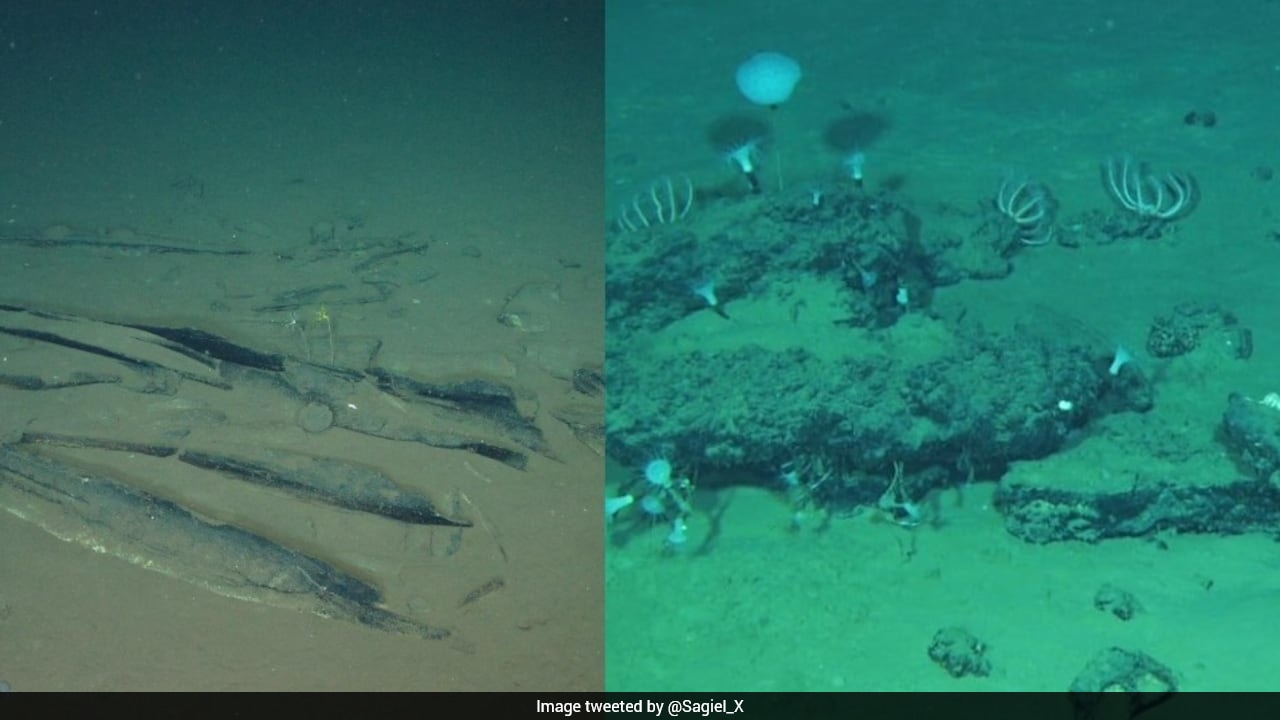
- A large whale graveyard (whale-fall necropolis) is reported in the southeastern Indian Ocean, in the Diamantina fracture zone.
- The site is described as lying at depths of more than about 7 km below the sea surface.
- Fossil evidence indicates the remains are at least around 5 million years old (some reports cite about 5.3 million years).
- Scientists report hundreds of miles of whale remains and accumulation of more than 450 whale skeletons across the area.
- The whale falls are said to have supported distinct deep-sea ecosystems with associated scavengers and researchers report new species linked to the site.
When a dead whale sinks to the seafloor, its 'whale fall' becomes an oasis feeding deep-sea life for decades — up to 190 species crowding a single skeleton, with bone-eating worms gnawing the bones for as long as a decade Space DailyBury me in the whale graveyard – let the weird starfish chew my bones | First Dog on the Moon The GuardianWorld's Largest 'Whale Graveyard' Teems with Deep-Sea Life Including Species Unknown to Science Good News NetworkScientists Found 476 Dead Whales in One Ocean Trench Popular MechanicsA 5-million-year-old whale graveyard Deccan Herald
3 months agoThe high concentration of whale remains in the region raises the question of how exactly this graveyard was formed.
3 months agoSome of the remains found in the Diamantina fracture zone date back more than five million years and reveal species and ecosystems unknown to science.
3 months agoResearchers discovered a vast whale graveyard in the Indian Ocean's Diamantina Zone, containing 476 fossil cetaceans and five modern whale-fall communities. This site, active for at least 5.3 million years, provides a unique window into deep-sea ecosystems and carbon sequestration, with many species potentially new to science.
3 months agoWhen a whale dies, a very special natural phenomenon can come alive. The carcass might float at the surface for some time, attracting sharks and other predators. As it becomes weathered, it may start to sink, falling through the water until it eventually settles on the seafloor, where deep-sea scavengers feast upon it.
3 months agoScientists have documented a whale graveyard in the Indian Ocean with some carcasses dating back 5.3 million years, and it's supporting a thriving community of marine life.
3 months ago
Broken Hill Gold boosts SA White Dam resource and expands deeper gold-copper sulphide drilling
Broken Hill Gold reports it has increased Vertigo’s indicated oxide gold resource by 160%, lifting it to 24,300 ounces,...

Woman’s body found in Soweto dam; police open inquest
A woman’s body is found wrapped in a duvet in a dam in Soweto, South Africa. Gauteng police register the death and open...

Iranian forces claim shooting down multiple US MQ-1 drones over the Strait of Hormuz
Iran’s Islamic Revolutionary Guard Corps (IRGC) says it shoots down US military drones over and near the Strait of Hormu...