


Federal testing data released Wednesday show that students’ reading and math performance continues to stagnate in the United States, with weaker outcomes concentrated among older children. The results come from the long-term trends assessment, which is typically administered every four years and measures academic skills at ages 9 and 13. Across the latest cycle, the data indicate that younger students have made some progress in reading and math after pandemic-related disruptions. In contrast, older students’ performance does not show similar improvement, suggesting that gains for younger grades are not carrying over to older students. The federal government’s release provides a snapshot of how academic skills have changed over time for those age groups, highlighting a widening difference by age. The findings suggest that, while recovery has occurred for younger students, instruction and learning impacts remain evident for older students. The data are presented as a broad indicator of trends in reading and mathematics achievement based on the assessment’s design and the age cohorts tested.
US test results show reading and math scores stagnate for older students
Federal testing data released Wednesday show that students’ reading and math performance continues to stagnate in the United States, with weaker outcomes concentrated among older children. The results...
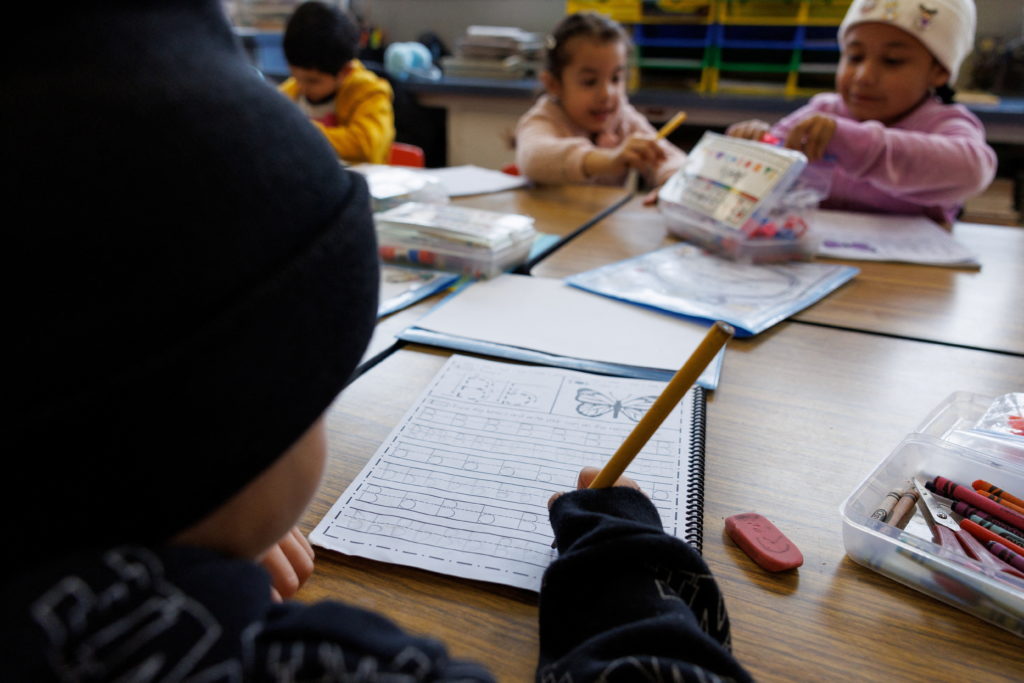
- The federal government releases the long-term trends assessment every four years.
- The assessment measures reading and math skills at ages 9 and 13.
- The latest results show stagnation in reading and math for older students.
- Younger students show some regained academic ground after the pandemic.
- The findings are based on a snapshot of long-term trends in student achievement.
Younger students have regained ground academically after the pandemic's disruptions while older students' test scores continue to stagnate, according to the latest testing data released Wednesday by the federal government.
2 months agoTypically given every four years, the long-term trends assessment offers a snapshot into the academic skills of American students at ages 9 and 13.
2 months ago
Trump says US has agreement with Venezuela to control 65 billion barrels of oil reserves
U.S. President Donald Trump says the United States has entered an agreement with Venezuela to take control of an estimat...

Jumper clash causes confusion as Kangaroos extend streak against Western Bulldogs
The Kangaroos extend their winning streak to 30 in a match against the Western Bulldogs, but the game is also marked by...

ClearWay Mobility Unveils Obstacle-Detection Attachment for White Cane
ClearWay Mobility introduces an obstacle-detection device designed to be added to the standard white cane used by people...