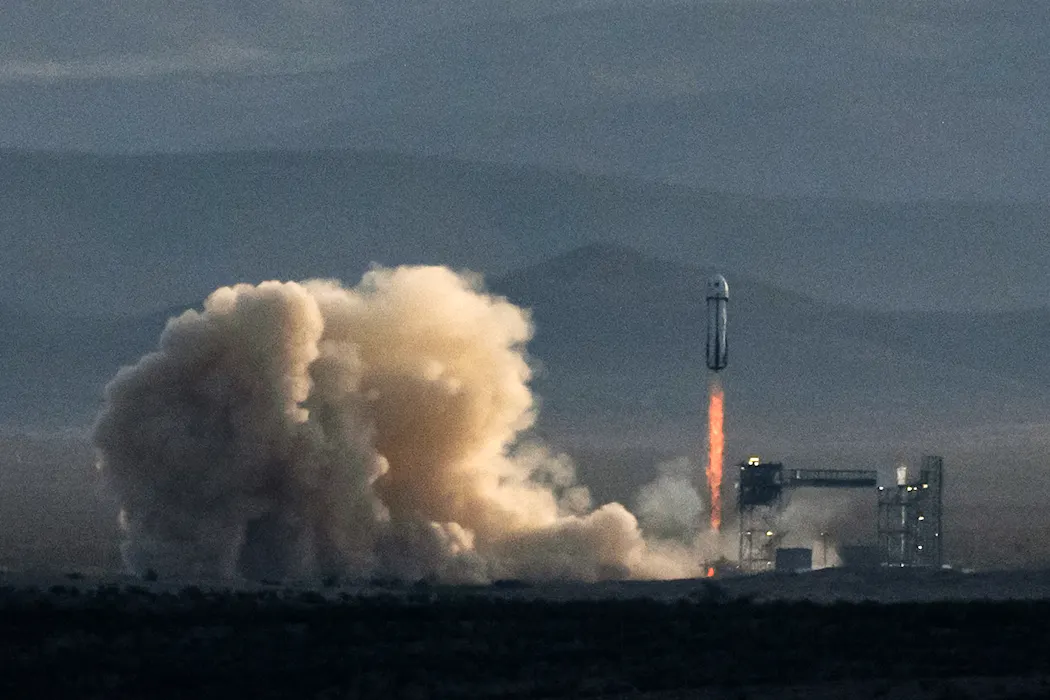
Commercial space tourism and related activities are expanding rapidly, with private operators launching more rockets and carrying more people than in previous years. Multiple accounts describe a shift toward more ambitious missions, driven by the growth of private spaceflight providers and increasing public demand for space experiences.
However, these developments are occurring within a legal framework largely established decades earlier. International space law was written during the 1960s, when governments were primarily responsible for space activities and the risks, business models, and technologies involved were different from those seen today. As a result, observers say current rules may not fully address modern questions around regulation, safety, liability, and governance for commercial passenger flights.
Taken together, the sources present a picture of fast-moving industry progress alongside a mismatch with older legal structures. While private launch activity and tourism are accelerating, the legal mechanisms governing outer space have not been updated at the same pace.