
Multiple reports note that Russia’s full-scale invasion has now lasted longer than the First World War, with commentators pointing to how this extended timeline is reshaping expectations for diplomacy, military strategy, and international support. The comparison to 1914–1918 is used to highlight that protracted wars tend to shift from rapid battlefield outcomes toward entrenched positions, sustained logistics, and long-term political management. Coverage also links the extended duration to renewed focus on the conditions for any settlement, including how outside powers may try to define acceptable terms and safeguards. References to “Versailles” emphasize concerns that any peace framework could be viewed as temporary or contested, potentially carrying long-run risks if perceived as unfair or unstable. While sources vary in emphasis, they converge on the central point that the war’s length is changing the context for negotiations and for domestic and international planning. The reporting does not present a single agreed “next step,” but instead underscores uncertainty around whether current patterns will lead to renewed talks, intensified fighting, or a broader reconfiguration of alliances and aid.
Ukraine war surpasses World War I length, prompting renewed questions about next steps
Multiple reports note that Russia’s full-scale invasion has now lasted longer than the First World War, with commentators pointing to how this extended timeline is reshaping expectations for diplomacy...

- The war in Ukraine has lasted longer than the First World War.
- The prolonged duration is shifting expectations about outcomes and timelines.
- Commentary links the long war to concerns about how any peace process could be structured and perceived.
- International political and military planning increasingly treats the conflict as potentially long-term.
- Sources underscore uncertainty about what concrete steps will follow.
The ghost of Versailles haunts Ukraine’s peace
15 hours agoThe ghost of Versailles haunts Ukraine’s peace
15 hours ago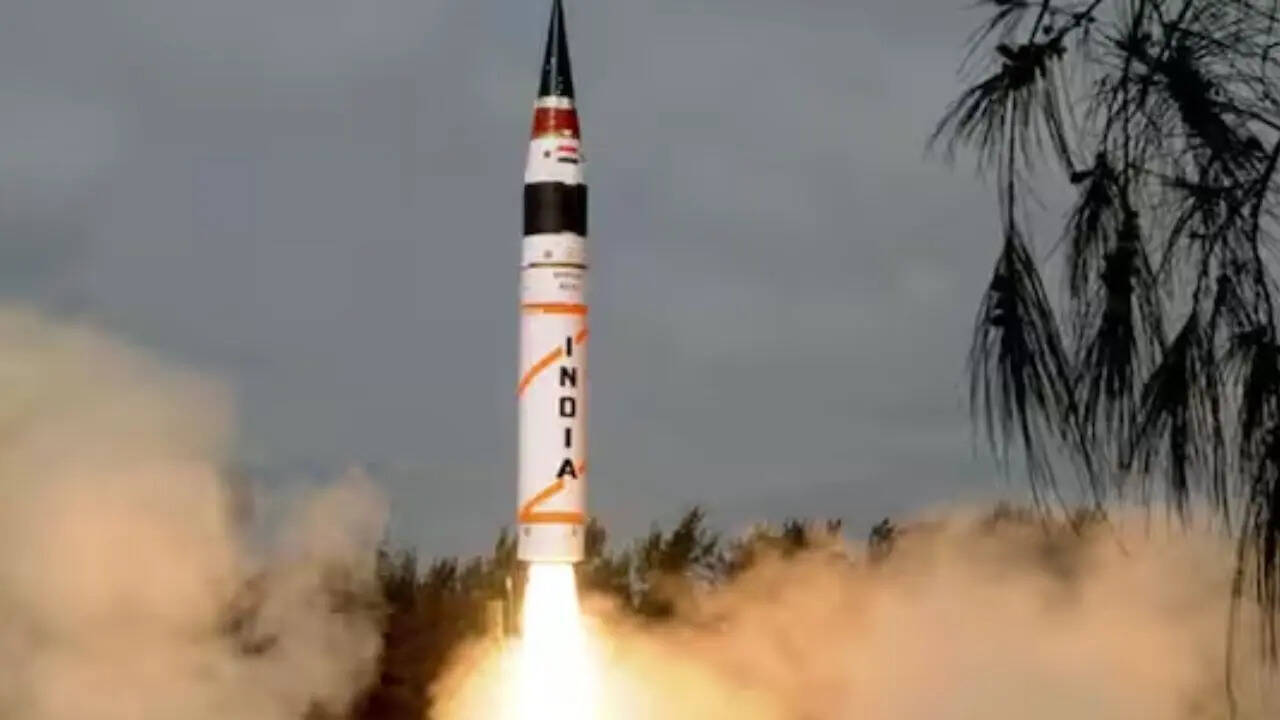
Over 11,000 evacuated near Odisha DRDO test range ahead of missile trial
Ahead of a scheduled missile test by India’s DRDO, the Balasore district administration in Odisha evacuates 11,442 resid...

SpaceX IPO sparks IPO planning among China’s commercial space start-ups
Sources report that the expected landmark initial public offering by SpaceX is influencing how China’s emerging commerci...

B.C. home sales weaken in May as mortgage rates rise and labour market remains soft
Home sales in British Columbia weaken in May, according to reports from B.C.-focused outlets. The decline is linked to h...