


Researchers analyzing paleoclimate records report that the Gulf Stream moved north during a major cold period about 13,000 years ago. The study described evidence of a rapid change in the ocean current’s position occurring on timescales considered “within a lifetime,” based on how the shift is reflected in environmental archives from that era. The outlets covering the work frame the finding as relevant to understanding how major ocean circulation systems can respond to large climate perturbations. Rather than describing current-day Gulf Stream behavior directly, the reporting focuses on what past shifts reveal about the dynamics and potential sensitivity of the circulation to colder conditions. The coverage emphasizes that the evidence comes from ancient climate records that indicate sudden reorganization during the transition out of an ice-age period. Overall, the reports present the historical shift as a cautionary data point for how quickly ocean currents can change under climate stress, while noting that the study pertains to past events and cannot be assumed to predict exact future timing.
Gulf Stream shifted north during ancient cold snap, researchers report
Researchers analyzing paleoclimate records report that the Gulf Stream moved north during a major cold period about 13,000 years ago. The study described evidence of a rapid change in the ocean curren...
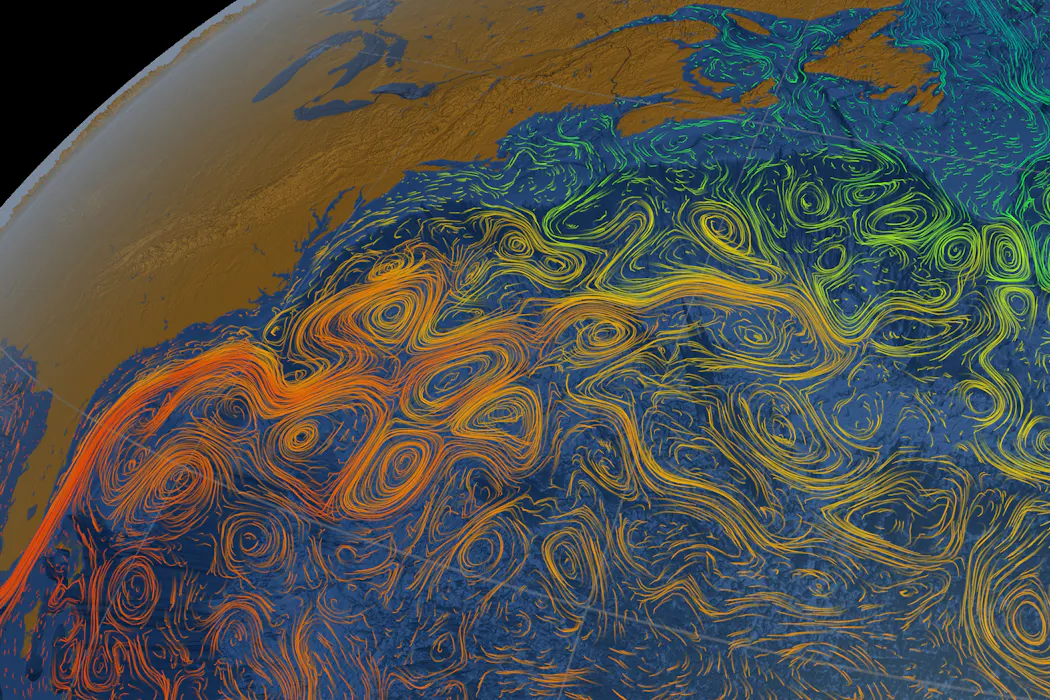
- A study finds the Gulf Stream shifted north during an ancient cold snap about 13,000 years ago.
- The change is described as rapid—occurring on timescales that could be “within a lifetime.”
- Evidence is based on paleoclimate records indicating abrupt changes in ocean circulation.
- The reporting presents the past shift as insight into the Gulf Stream’s potential sensitivity to major climate shifts.
- The coverage focuses on historical evidence rather than claiming a specific present-day shift.
New evidence shows a major climate shift ‘within a lifetime’ 13,000 years ago.
2 months agoThe Gulf Stream suddenly moved north during an ancient cold snap – and it’s a warning for our future The Conversation
2 months ago
Abby Seaman reaches 30km stage with support as she continues running and reporting
Abby Seaman is continuing her run and reporting from along the course, reaching the point where she has 30 kilometres le...

Officer dies, another injured in South Carolina park shooting
A police officer dies and a second officer is injured in a shooting at a park in South Carolina’s capital city, police s...

Russian drone strike hits warehouse west of Kyiv, killing 37
Russia launches a drone attack that hits a warehouse west of Kyiv, killing at least 37 people, which all outlets describ...