


Two reports discuss how policies and public narratives about youth radicalization disproportionately focus responsibility on families—especially Muslim mothers—rather than on broader social, political, and institutional factors. The Phys.org piece frames radicalization as a recurring public issue that can involve different ideological streams, including far-right and Islamist movements. It references a May 30 demonstration in Shawinigan calling for “White Québec,” as an example of far-right organizing. The Conversation focuses more directly on social and policy dynamics after a young person becomes radicalized, arguing that accusations often shift to “the family.” It contends that, in practice, the day-to-day burden and scrutiny fall primarily on mothers, who are expected to detect, prevent, or correct radicalization. Taken together, the sources describe a pattern in which policy approaches and public blame concentrate on the household—particularly mothers in Muslim communities—rather than consistently addressing how radicalization processes form and spread. Both pieces emphasize that radicalization is not limited to one ideological direction and highlight how different communities and actors are affected.
Analysis says radicalization policies unfairly place burden on Muslim mothers
Two reports discuss how policies and public narratives about youth radicalization disproportionately focus responsibility on families—especially Muslim mothers—rather than on broader social, political...

- Both sources say public and policy responses to youth radicalization often blame or focus on families, especially mothers.
- The Conversation argues the burden falls primarily on Muslim mothers when a young person is radicalized.
- Phys.org describes radicalization as occurring across multiple ideological streams, including far-right and Islamist movements.
- Phys.org cites a May 30 demonstration in Shawinigan calling for a “White Québec.”
For several years now, the radicalization of young people has been making headlines. This phenomenon can be linked to the far-right movement, as we saw on May 30 in Shawinigan during a demonstration calling for a "White Québec," or revolve around other forms of radicalism, including Islamist movements.
2 months agoWhen a young person becomes radicalized, people often point the finger at “the family.” But in reality, the burden falls primarily on mothers.
2 months ago
Boy charged with murder after 17-year-old fatally stabbed at Brent council HQ
A 17-year-old teenager is fatally stabbed at Brent council headquarters in Wembley, north-west London. Police arrest a 1...

TestMu Conference 2026 highlights agentic engineering and AI quality focus
TestMu Conference 2026 is held as TestMu AI’s flagship event, with the programme centered on agentic engineering and qua...
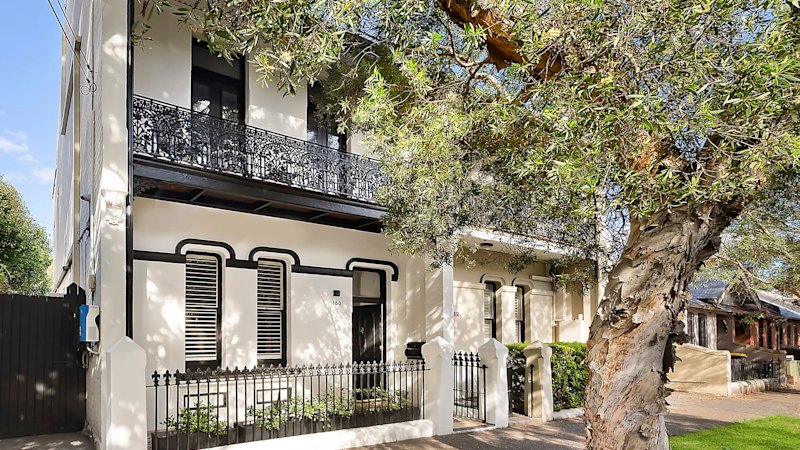
Outlets publish ‘five of the best’ home picks for Sydney and Melbourne
Multiple Australian outlets publish curated lists of “five of the best homes” to enjoy both inside and out in major citi...