


The World Bank warns that a potential US-Iran conflict could significantly weaken the global economy, cutting its outlook for 2026 growth to 2.5%. Both reports attribute the downgrade to spillover effects from the Middle East situation, especially disruption to energy markets that drives up energy prices. Higher energy costs feed into broader inflation pressures, which then raise borrowing costs for households and businesses. The World Bank links these combined factors to a slower pace of global economic activity, saying the impact could be severe relative to major recent shocks. The bank frames the risk as pulling growth toward “post-COVID” lows, reflecting how interconnected financial and commodity markets magnify conflict-related stress. While the coverage focuses on the economic forecast, it does not specify the precise scenario assumptions used for the growth cut. Overall, the common message across the outlets is that worsening tensions between the United States and Iran are associated with elevated energy, inflation, and financing risks that weigh on worldwide growth.
World Bank warns US-Iran tensions could drag global growth to 2.5%
The World Bank warns that a potential US-Iran conflict could significantly weaken the global economy, cutting its outlook for 2026 growth to 2.5%. Both reports attribute the downgrade to spillover eff...
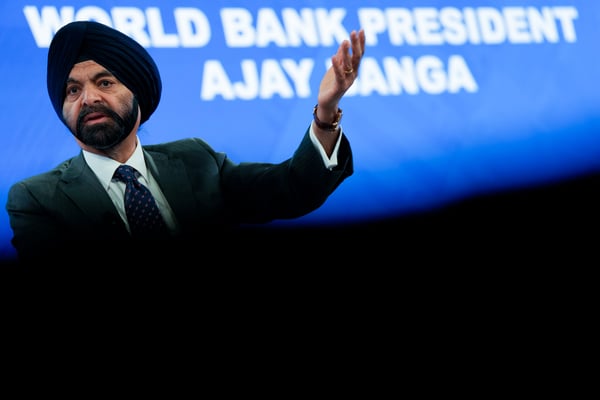
- The World Bank cuts its 2026 global growth forecast to 2.5%.
- The downgrade links the economic outlook to US-Iran or broader Middle East conflict risks.
- Energy prices are cited as rising due to disruption to energy markets.
- Inflation pressures and higher borrowing costs are cited as channels affecting growth.
- The World Bank describes the potential damage as comparable to the most severe post-COVID shocks.
Global growth forecast cut to 2.5 percent due to surging energy prices, inflation and borrowing costs.
2 months agoThe bank cut its 2026 global growth forecast to 2.5%, citing the Middle East war's toll on energy markets and inflation
2 months ago
WA Planning Commission boss Emma Cole discusses housing, density and community pushback
Western Australia’s Planning Commission chair Emma Cole discusses her approach to housing and planning, including debate...

Seahawks sign CB Terrion Arnold, placed on NFL commissioner’s exempt list
The Seattle Seahawks officially sign cornerback Terrion Arnold, who is facing felony charges in Florida, according to mu...

Manchester City opens talks with Liverpool over Cody Gakpo transfer
Manchester City is opening talks with Liverpool over a potential move for Netherlands winger Cody Gakpo, according to mu...