


Frontline CEO Lars Barstad says tanker traffic through the Strait of Hormuz could increase quickly if the United States and Iran reach a deal and the perceived risk for shipping is reduced. Barstad said many shipowners are waiting for an updated threat assessment before transiting the strait, suggesting that even incremental changes in risk levels can influence route decisions. The comments frame shipping activity as closely tied to U.S.-Iran diplomatic dynamics and to how maritime security guidance is assessed and communicated. While Barstad points to the likelihood of a rapid pickup in crossings under improved conditions, the reporting focuses on expectations rather than specific figures, timelines, or confirmed changes in current volumes. Overall, the outlets describe a scenario where negotiations lead to a reassessment of threats, encouraging more tankers to move through Hormuz rather than reroute or delay shipments. The claim is contingent on a U.S.-Iran agreement and subsequent downgrade of risk assessments, according to the CEO’s remarks.
Frontline CEO says Strait of Hormuz tanker traffic could rise quickly after U.S.-Iran deal
Frontline CEO Lars Barstad says tanker traffic through the Strait of Hormuz could increase quickly if the United States and Iran reach a deal and the perceived risk for shipping is reduced. Barstad sa...

- Frontline CEO Lars Barstad says Strait of Hormuz tanker traffic could rise quickly if the U.S. and Iran reach a deal.
- Barstad links shipping decisions to changes in how threats are assessed for the strait.
- He says many shipowners wait for the threat assessment to be downgraded before crossing Hormuz.
- Both sources report Barstad’s view on a potential increase in tanker crossings contingent on improved U.S.-Iran relations.
Many shipowners are just waiting for the threat assessment to be downgraded before crossing Hormuz, Frontline CEO Lars Barstad said.
2 months ago
PagerDuty reports 2027 second-quarter results and discusses business outlook on earnings call
PagerDuty reports results for 2027 Q2 and discusses performance and priorities during an earnings call. Coverage from ou...

Multiple companies report 2026 quarterly earnings, with results shared via earnings calls
Several companies hold quarterly earnings calls and publish results for 2026, covering periods ranging from Q2 2026 to Q...
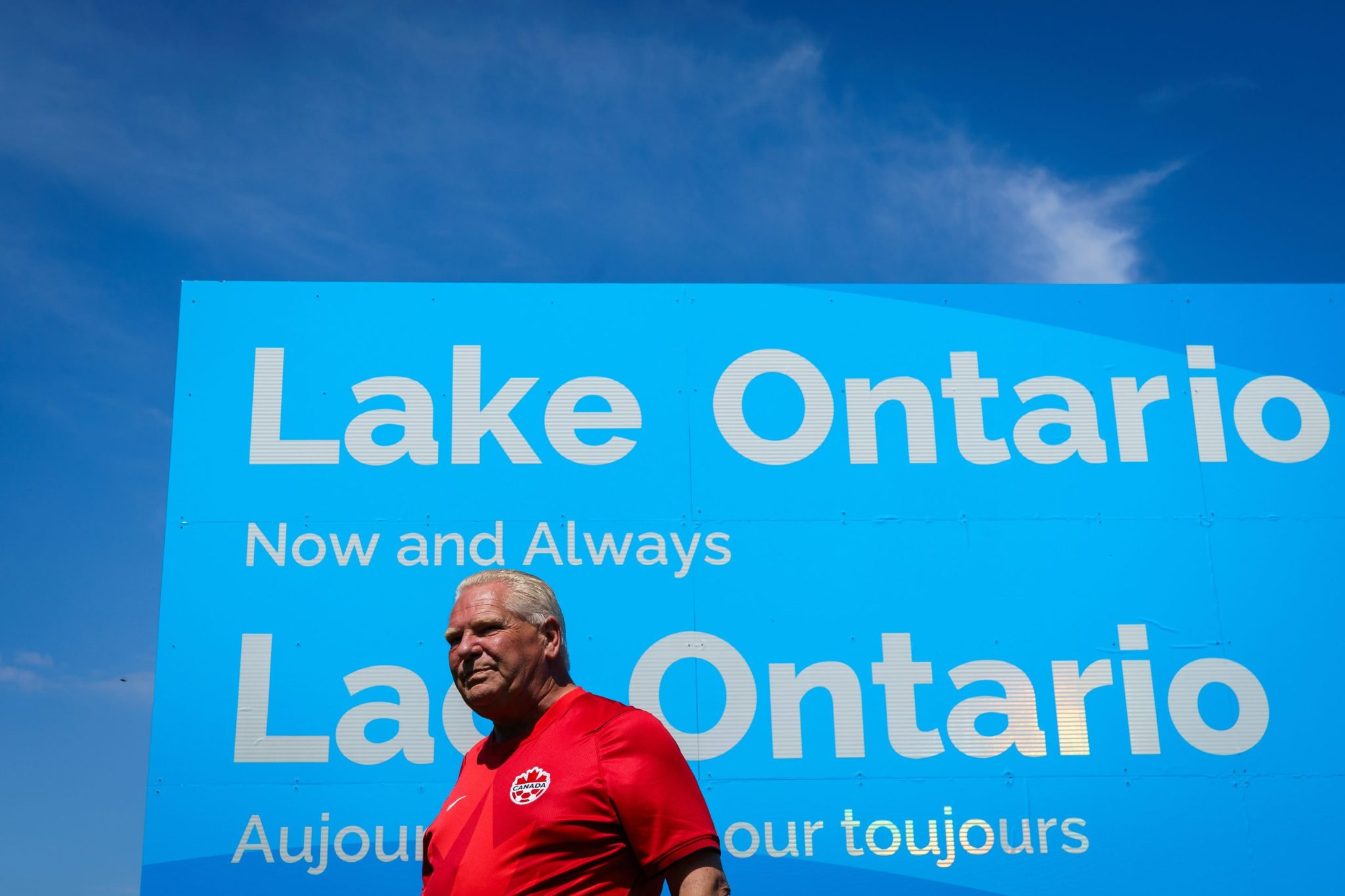
Doug Ford unveils “Lake Ontario. Now and Always” sign after Trump “Lake America” order
Ontario Premier Doug Ford unveils a large billboard on the shore of Lake Ontario reading “Lake Ontario. Now and Always,”...