
Political leaders in Jammu and Kashmir attribute lower voter turnout in the second phase of polling to the Centre’s earlier messaging and its decisions surrounding the region’s constitutional status. Omar Abdullah, vice-president of the National Conference, says the Centre tried to depict high voter turnout in the first phase as evidence of “normalcy” and as public acceptance following the revocation of Article 370. He argues that the subsequent lower turnout in the second phase reflects public reaction, including in Srinagar. According to Abdullah, the framing of first-phase polling influenced voters’ perceptions and participation in later phases. Other party figures associated with the National Conference and the PDP also raise similar concerns, pointing to the Centre’s role in shaping how voter turnout trends are interpreted and communicated. The statements focus on the turnout figures and the political narrative around Article 370 rather than on administrative or security-related explanations. Both parties’ remarks portray the turnout drop as a response to Centre actions and their aftermath, with attention on how earlier polling was presented to the public.
Omar Abdullah and NC–PDP leaders blame Centre for low turnout in J&K’s second phase
Political leaders in Jammu and Kashmir attribute lower voter turnout in the second phase of polling to the Centre’s earlier messaging and its decisions surrounding the region’s constitutional status....
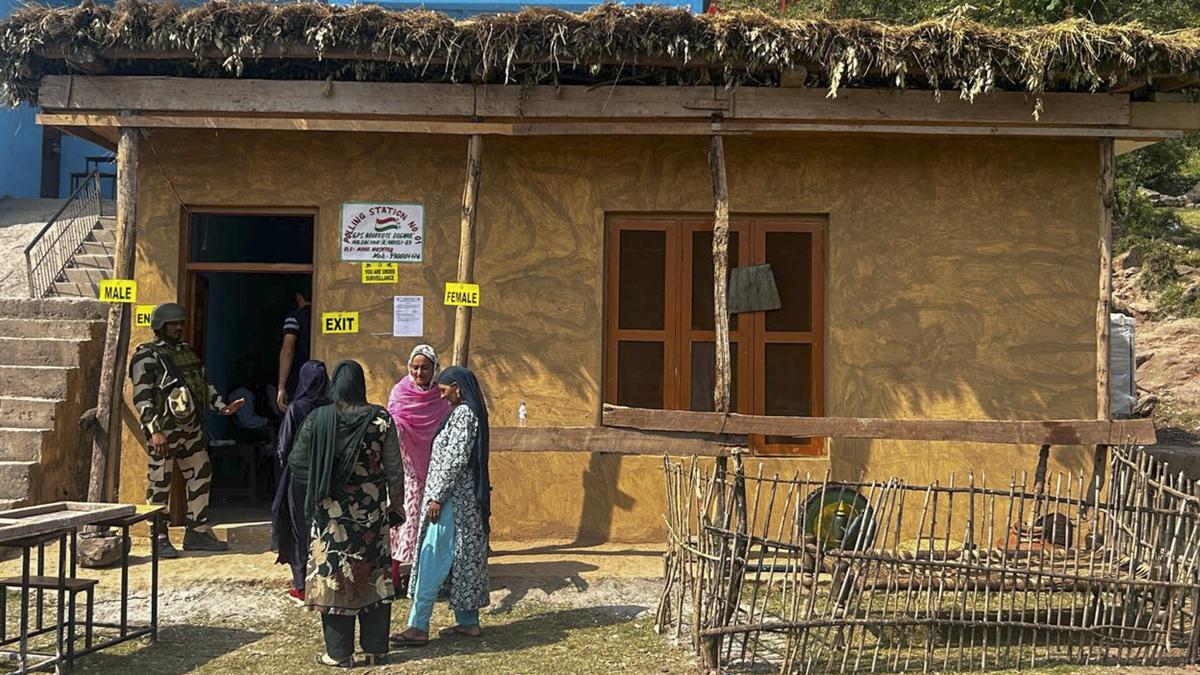
- Omar Abdullah says the Centre tries to portray first-phase high turnout as normalcy after revocation of Article 370.
- Abdullah links lower turnout in the second phase to public reaction, including in Srinagar.
- National Conference and PDP leaders criticize the Centre for the turnout trend and its political messaging.
- The remarks focus on voter participation across polling phases in Jammu and Kashmir.
Centre tried to present the high voter turnout as signs of normalcy and as if the people had accepted the revocation of Article 370, said the National Conference leader
1 year agoNC vice-president Omar Abdullah said the Centre was at fault to project the high poll percentage in the first phase as normalcy and call it the effect of Article 370 removal. “I think the low voter turnout was the reaction to it in Srinagar,” he said.
1 year ago
Scientific American Discusses Election Impacts on Climate, Environment, and Energy Policy
Scientific American’s editors discuss how an upcoming election may shape U.S. climate, environmental, and energy science...

iFixit teardown finds Trump Mobile T1 phone is nearly identical to HTC U24 Pro
A teardown of the Trump Mobile T1 phone by iFixit finds the device is effectively a rebranded version of the HTC U24 Pro...

Met Police chief urges law to make stolen phones unusable bricks
Metropolitan Police Commissioner Sir Mark Rowley calls on the government to introduce legislation requiring mobile phone...