
Two Science Quickly episodes from Scientific American discuss why consciousness remains difficult to define and study, despite advances in brain science and emerging research methods. The first episode features journalist Michael Pollan and Scientific American’s Bri Kane, focusing on how consciousness might be understood through multiple angles, including neuroscience findings, artificial intelligence experiments, and how psychedelics may affect or reveal aspects of awareness. The discussion emphasizes that the core problem is not just measuring experiences, but agreeing on what consciousness is in scientific terms. The second episode, led by associate editor Allison Parshall, explains what current research says about how the brain may generate conscious experience and covers related topics such as dreams and anesthesia. It also surveys questions about consciousness in animals and in artificial intelligence, while noting that scientists have proposed many competing theories. Across both episodes, the central theme is that no single framework is universally accepted, and understanding when and how consciousness emerges—whether in humans, infants, or potentially AI—continues to be one of science’s hardest challenges.
Science podcasts examine consciousness, brain science, and AI approaches
Two Science Quickly episodes from Scientific American discuss why consciousness remains difficult to define and study, despite advances in brain science and emerging research methods. The first episod...

- Scientific American’s “Science Quickly” episodes discuss what consciousness is and why it is difficult to define scientifically.
- The episodes cover how brain science, dreams, and anesthesia relate to studying awareness.
- They include discussion of artificial intelligence as a possible tool or test case for consciousness theories.
- One episode includes discussion of psychedelics as a way to probe awareness.
- Leading theories of consciousness are described as competing and not yet settled by current evidence.
In this episode of Science Quickly, journalist Michael Pollan joins Scientific American’s Bri Kane to unpack why consciousness is so hard to define in a discussion that explores what brain science, artificial intelligence experiments and even psychedelics might reveal about how awareness works. Recommended Reading: A World Appears: A Journey into Consciousness. Michael Pollen. Penguin, 2026 Your guide to 29 wildly different theories of consciousness Why consciousness is the hardest problem in science E-mail us at sciencequickly@sciam.com if you have any questions, comments or ideas for stories we should cover! Discover something new everyday: subscribe to Scientific American and sign up for Today in Science, our daily newsletter. Science Quickly is produced by Kendra Pierre-Louis, Fonda Mwangi, Sushmita Pathak and Jeff DelViscio. This episode was edited by Alex Sugiura, with fact-checking by Shayna Posses and Aaron Shattuck. Our theme music was composed by Dominic Smith. Learn more about your ad choices. Visit megaphone.fm/adchoices
3 months agoIn this episode, we explore what consciousness is, how the brain creates it and what current science says about dreams, anesthesia, animals and even artificial intelligence. Scientific American’s associate editor Allison Parshall breaks down what the leading theories are and why understanding our own awareness remains one of science’s toughest challenges. Recommended Reading: Why consciousness is the hardest problem in science Is Consciousness the Hallmark of Life? How to Detect Consciousness in People, Animals and Maybe Even AI When does consciousness emerge in babies? E-mail us at sciencequickly@sciam.com if you have any questions, comments or ideas for stories we should cover! Discover something new everyday: subscribe to Scientific American and sign up for our daily newsletter. Science Quickly is produced by Kendra Pierre-Louis, Fonda Mwangi, Sushmita Pathak and Jeff DelViscio. This episode was edited by Alex Sugiura, with fact-checking by Shayna Posses and Aaron Shattuck. Our theme music was composed by Dominic Smith. Learn more about your ad choices. Visit megaphone.fm/adchoices
4 months ago
Canada introduces proposed social media ban for children under 16, with possible platform exemptions
Canada’s government introduces legislation that would restrict or ban children under 16 from having social media account...
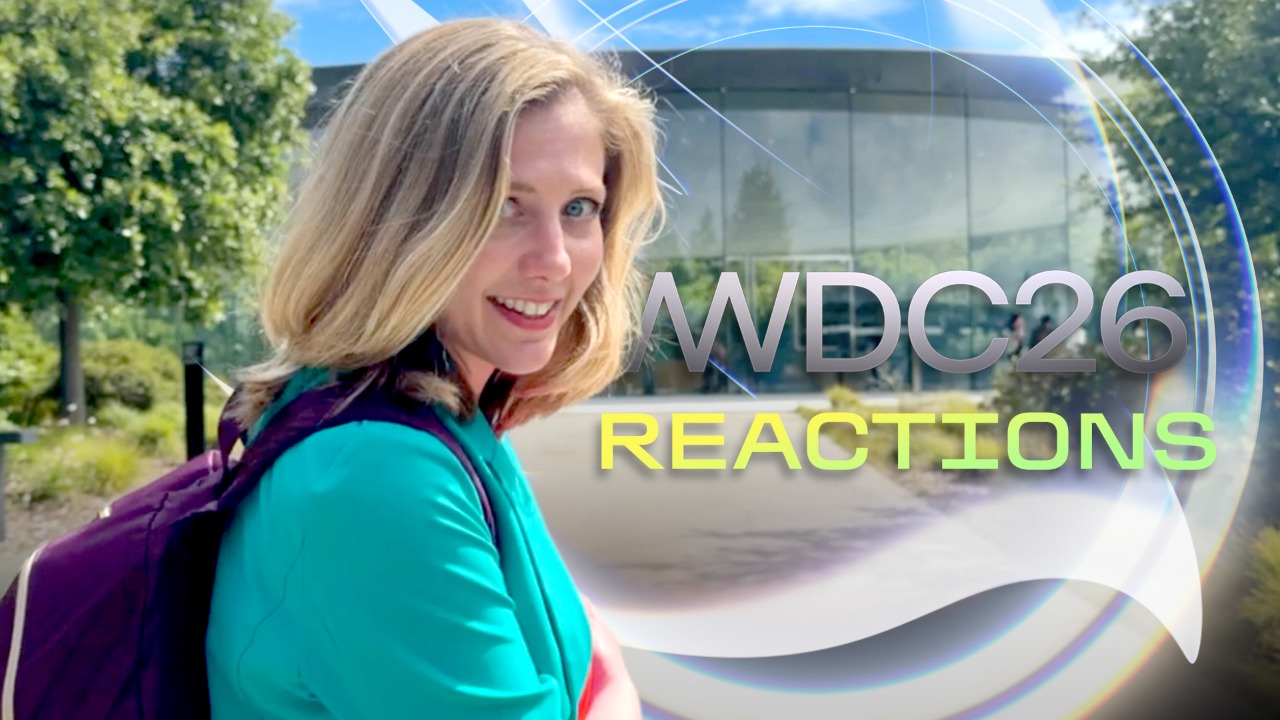
Apple’s WWDC26 at Apple Park brings major Siri and AI updates
Apple holds WWDC26 at its Apple Park campus, where journalists in attendance report on the company’s latest announcement...

Fans vote for IPL 2026 best team, match and captain in Google-led polls
Multiple Cricbuzz posts reference fan voting polls for IPL 2026 categories, including the “best team,” “best match,” and...