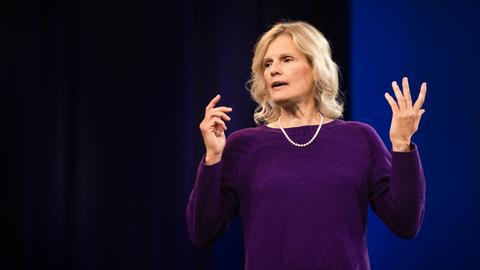
In a TED Talks Daily episode, psychiatrist Mathilde H. Ross discusses how modern parenting information can affect caregivers’ mental states and, indirectly, children’s wellbeing. She says that experts and media outlets sometimes emphasize alarming warnings about potential dangers and setbacks, which can overwhelm parents and lead them to become anxious, overly vigilant, or obsessive. Ross argues that this approach can shift parenting from supportive, responsive engagement to constant worry about whether each choice is “correct.”
Rather than following parenting trends or trying to absorb continuously updated advice, Ross recommends that parents trust their own instincts. She emphasizes simpler, more positive guidance centered on bonding and child development, portraying caregiving as an ability caregivers are biologically and psychologically prepared to do. The episode frames her message as reassurance to parents that they are “evolved for this,” encouraging them to rely on their relationship with their children and their own judgment instead of fear-driven expert commentary.