


Indigenous advocate Galina Angarova warns that efforts to accelerate the green energy transition can carry hidden social and environmental costs for Indigenous communities. She argues that rising demand for minerals used in renewable energy technologies—such as nickel and lithium—intensifies extraction pressures that can affect Indigenous lands and livelihoods. In her presentation, Angarova frames the “mineral rush” as a problem of governance and consent, not only of technology and emissions. She calls for a shift in how the transition is planned and implemented, emphasizing Indigenous leadership and decision-making. Her message stresses that meaningful consent and reciprocity should guide projects involving resource extraction and related infrastructure. Overall, Angarova’s remarks focus on the risk that climate and clean-energy goals are pursued without adequate attention to those who live on, steward, and protect affected territories. She presents her view as a foundation for a more just and sustainable future, where community rights and outcomes are treated as central rather than secondary.
Indigenous advocate highlights impacts of the minerals rush for green energy transition
Indigenous advocate Galina Angarova warns that efforts to accelerate the green energy transition can carry hidden social and environmental costs for Indigenous communities. She argues that rising dema...

- Galina Angarova describes a “mineral rush” driven by demand for minerals used in green energy.
- She says minerals such as nickel and lithium extraction can threaten Indigenous lands and livelihoods.
- Her argument centers on Indigenous leadership and participation in decisions affecting territories.
- She calls for consent and reciprocity to be central to planning and implementing green transition projects.
- She presents these changes as necessary for a just and sustainable transition.
What if the race to save the planet is harming the people who protect it? Indigenous advocate Galina Angarova exposes the hidden cost of the green energy transition, where the demand for minerals like nickel and lithium threatens to devastate Indigenous lands and livelihoods. She calls for a radical shift in mindset — one that centers Indigenous leadership, consent and reciprocity as the foundation of a truly just and sustainable future. Hosted on Acast. See acast.com/privacy for more information.
1 year agoWhat if the race to save the planet is harming the people who protect it? Indigenous advocate Galina Angarova exposes the hidden cost of the green energy transition, where the demand for minerals like nickel and lithium threatens to devastate Indigenous lands and livelihoods. She calls for a radical shift in mindset — one that centers Indigenous leadership, consent and reciprocity as the foundation of a truly just and sustainable future.
1 year ago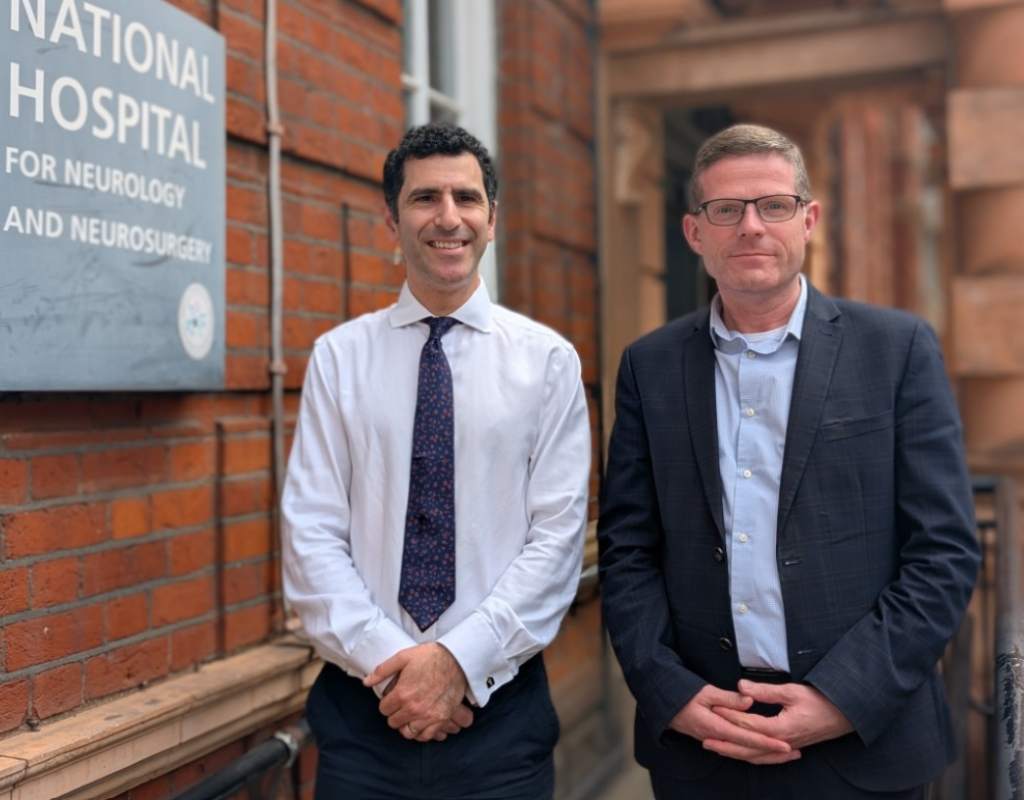
London surgeons perform first AI-assisted brain tumour removal
Surgeons in London perform what health officials describe as the world’s first successful AI-assisted operation to remov...

Fubara commissions upgraded neuropsychiatric hospital and new General Hospital in Rumuigbo
Rivers State Governor Siminalayi Fubara commissions a newly upgraded neuropsychiatric hospital and a new General Hospita...

Duane “Keffe D” Davis goes on trial in Tupac Shakur 1996 murder case
Duane “Keffe D” Davis goes on trial in Las Vegas for his alleged role in the 1996 murder of rapper Tupac Shakur. The cas...