


Journalist Katherine Dunn discusses how newsrooms can make climate coverage more engaging and harder to ignore. Speaking in a TED Talks Daily segment, Dunn says environmental reporting should not rely solely on “the big climate story,” but should also highlight less obvious climate-related angles that resonate with audiences. She argues that climate issues gain attention when they are linked to topics people already care about, such as jobs, sports and football, or even everyday pleasures like fruit. Dunn presents three actionable ideas aimed at helping reporters and editors rethink how they frame and package climate stories. The emphasis is on discovering narratives that connect climate change to familiar experiences rather than treating climate as separate from daily life. Overall, the segment focuses on how editorial choices and storytelling approaches can broaden public interest in climate reporting by making it relevant to everyday concerns.
Katherine Dunn argues for connecting climate reporting to everyday interests
Journalist Katherine Dunn discusses how newsrooms can make climate coverage more engaging and harder to ignore. Speaking in a TED Talks Daily segment, Dunn says environmental reporting should not rely...
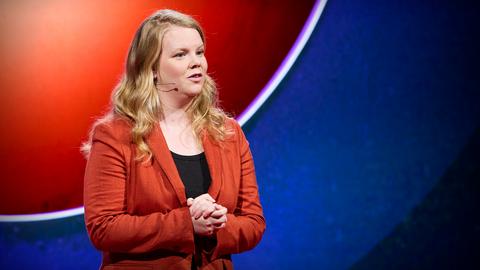
- Katherine Dunn says climate reporting should not only focus on major, headline climate stories.
- She argues that climate coverage should connect to interests readers already have, such as jobs and sports.
- The talk proposes three actionable tips for making overlooked climate stories more engaging.
- The segment presents editorial and storytelling approaches for newsrooms to improve climate visibility.
In environmental reporting, “it's not always about the big climate story,” says journalist Katherine Dunn. She challenges newsrooms to rethink how they cover climate change, connecting to the things readers love — whether that’s jobs, football or even a good mango — with three actionable tips for making overlooked stories irresistible. Hosted on Acast. See acast.com/privacy for more information.
1 year agoIn environmental reporting, “it's not always about the big climate story,” says journalist Katherine Dunn. She challenges newsrooms to rethink how they cover climate change, connecting to the things readers love — whether that’s jobs, football or even a good mango — with three actionable tips for making overlooked stories irresistible.
1 year ago
Adeleke wins Osun governorship election as supporters celebrate and rivals react
Governor Ademola Adeleke (Accord Party) wins re-election in Osun State after the Independent National Electoral Commissi...

Trump ramps up public stunts ahead of U.S. midterms
U.S. President Donald Trump steps up unusual public distractions as midterm elections approach, according to reporting f...

Advice on investing for grandchildren amid market volatility
Markets today are no more uncertain than they were last year or a decade ago, and short-term volatility is presented as...