
Multiple Distill posts present a community discussion and responses tied to the paper “Adversarial Examples Are Not Bugs, They Are Features.” The articles compile six comments from readers and corresponding replies from the original authors. Across the contributions, participants examine what the authors mean by treating adversarial examples as a property of machine learning systems rather than solely as unwanted defects. The discussion focuses on how adversarial examples arise, how they relate to model behavior and underlying assumptions about robustness, and what implications follow for evaluating and interpreting machine learning models. In addition to the community questions and critiques, the authors’ responses address points raised by commenters and clarify aspects of the argument. Overall, the sources do not report a new empirical study; instead, they synthesize perspectives from the community about the interpretation and significance of adversarial examples. The exchange centers on whether adversarial examples should be understood as predictable consequences of current training and decision processes, and how that perspective affects research directions and evaluation of model reliability.
Community discusses paper argument that adversarial examples are “features” rather than “bugs”
Multiple Distill posts present a community discussion and responses tied to the paper “Adversarial Examples Are Not Bugs, They Are Features.” The articles compile six comments from readers and corresp...

- Distill hosts a discussion of the paper “Adversarial Examples Are Not Bugs, They Are Features.”
- The posts include six community comments and responses from the paper’s original authors.
- The exchange focuses on interpreting adversarial examples as an inherent property of machine learning models rather than only as flaws.
- The sources present clarifications and replies addressing points raised by commenters.
- No new testing results are reported in these discussion pieces; they center on debate and explanation.
Refining the source of adversarial examples
6 years agoSix comments from the community and responses from the original authors
6 years agoVegas Golden Knights vs. Carolina Hurricanes: How to Watch the 2026 Stanley Cup Final
The 2026 NHL Stanley Cup Final features the Vegas Golden Knights and the Carolina Hurricanes in a best-of-seven series f...

Nioh 3 debuts on PC and PlayStation, quickly surpassing prior Steam peaks
Nioh 3 launches on both PC and PlayStation, marking a first for the series in which a new entry releases day-and-date ra...
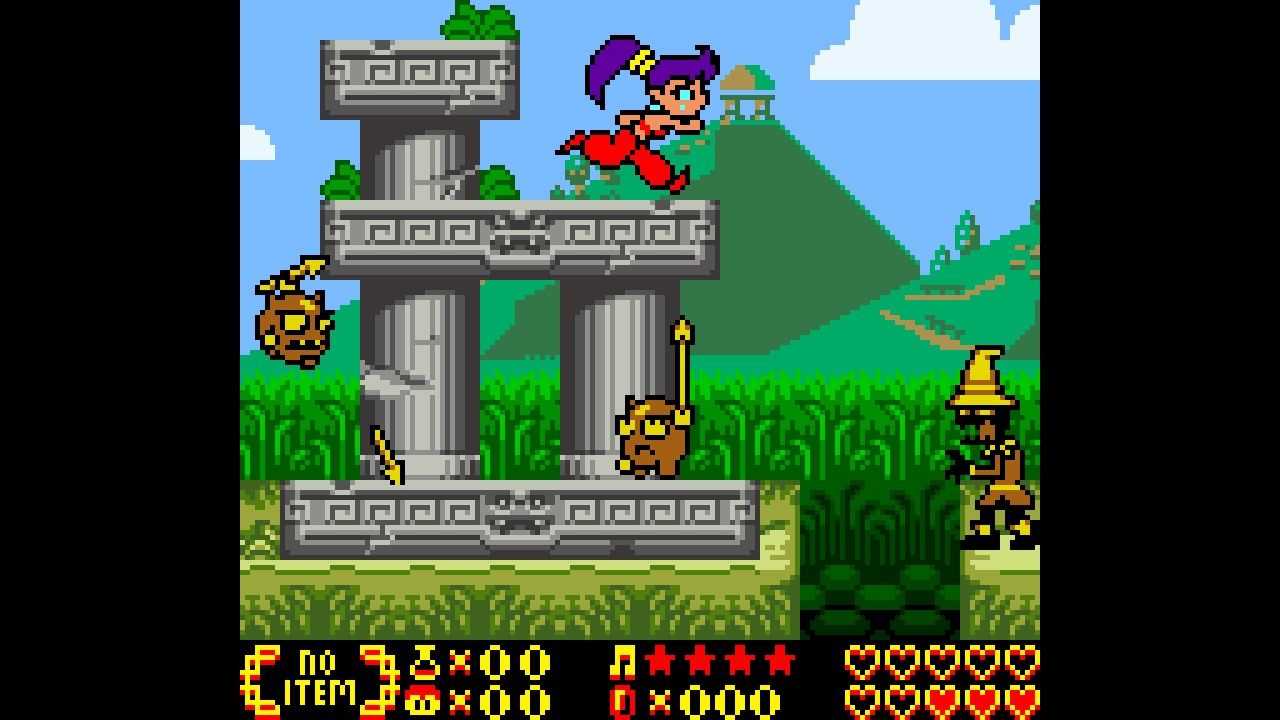
SwitchArcade special lists top retro games for Switch across Game Boy, SNES, and GBA
TouchArcade’s SwitchArcade Special series compiles recommendations for retro games available on the Nintendo Switch, foc...