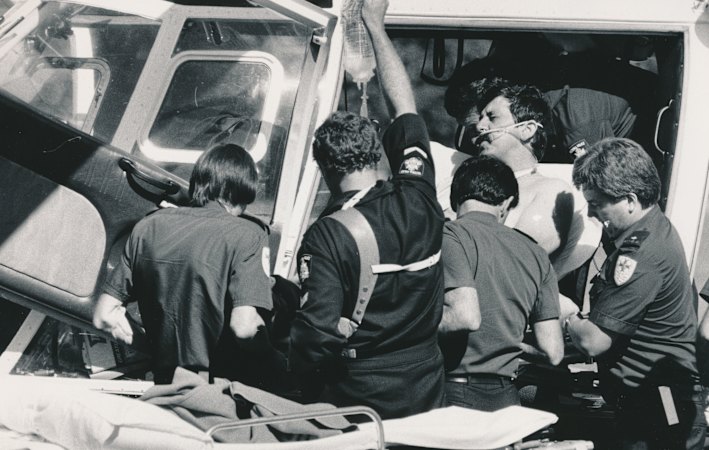
Multiple outlets describe a turning point in Victoria’s policing that follows an incident involving heavily armed offenders at a factory during what police expected to be a routine operation. The reports say the ambush exposed vulnerabilities in assumptions about safety and the effectiveness of standard uniformed responses when confronted with sudden, high-risk gunfire.
Across the articles, the core theme is that the event leads to longer-term changes in how first responders are trained and deployed. They say modern Victoria policing increasingly expects frontline officers to respond to active, heavily armed threats rather than relying on the idea that wearing a uniform or arriving at the scene is inherently protective. The sources also link the incident to broader operational and preparedness expectations for how police manage such situations.
While the provided excerpts focus on the impact and lasting legacy rather than detailed timelines or policy specifics, all three outlets present the same overall narrative: the factory ambush becomes a catalyst for changes in expectations, tactics, and preparedness for officers confronting firearms and high-threat scenarios.