


Several Australian outlets describe a “dream factory” that turns toy concepts into physical products, focusing on how classic and popular characters continue to be produced for children’s play. The reports, titled about bringing “Barbie to Toy Story” to life, frame the production process as a place where designs are developed and manufactured into toys that children can physically hold. Across the coverage, the outlets emphasize that while digital entertainment and portable screens are widespread, many children still prefer tangible play experiences. The articles discuss how the factory embodies the continuing demand for physical toys in a consumer environment dominated by apps and other screen-based media. They also connect the factory’s output to recognizable brands and franchises, such as Barbie and Toy Story, suggesting that established character IP remains a major driver of toy manufacturing and retail interest. Overall, the pieces present toy-making as both an operational and cultural process—producing familiar characters while serving a persistent desire for hands-on play despite advances in technology.
Inside the toy production “dream factory” bringing Barbie and Toy Story characters to life
Several Australian outlets describe a “dream factory” that turns toy concepts into physical products, focusing on how classic and popular characters continue to be produced for children’s play. The re...
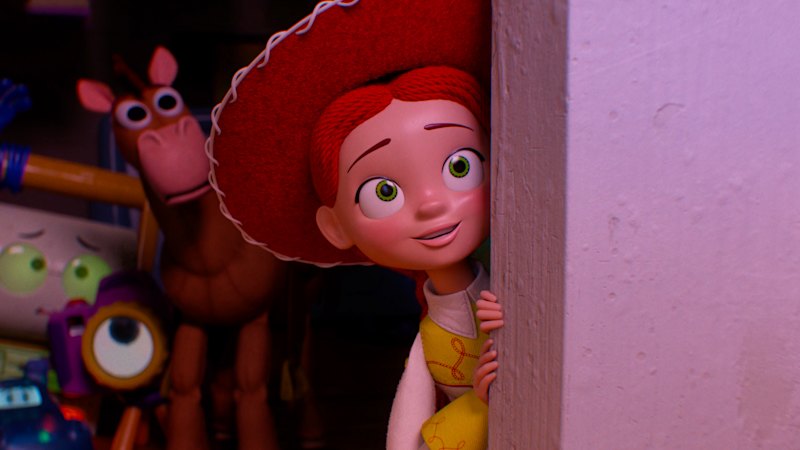
- The articles profile a toy production facility described as a “dream factory.”
- Production focuses on turning character and toy concepts into physical toys.
- The coverage highlights brands and franchises including Barbie and Toy Story.
- The reports say children still want tangible, hands-on play despite increasing screen and app use.
- The stories present the factory as meeting ongoing demand for physical toys in a digital environment.
In a world of portable screens and apps, children still yearn to hold the real thing.
2 months agoIn a world of portable screens and apps, children still yearn to hold the real thing.
2 months agoIn a world of portable screens and apps, children still yearn to hold the real thing.
2 months ago
Gunfire in Niamey as Niger presidential guard repels alleged internal insurgent attempt
Gunfire erupts in Niamey as Niger’s presidential guard repels an alleged attempt by “insurgents within the armed forces”...
One Nation claims victory in Secret Harbour by-election, threatening Labor’s hold
One Nation is claiming victory in the Secret Harbour by-election in southern Perth, with results tightening as last-minu...

Putin meets Lukashenko amid rising NATO-attack concerns
Vladimir Putin meets Belarus President Alexander Lukashenko as concerns persist about the possibility of Russia taking a...