


Two recent examples—Spain’s Luis de la Fuente and Argentina’s Lionel Scaloni—illustrate how national teams weigh both track records and fit when appointing international managers. Multiple outlets point to the “unexpected” nature of these appointments compared with more established alternatives, noting that de la Fuente and Scaloni go on to deliver major tournament success. In this reporting, the Euros and World Cup victories are used as evidence that national teams may prioritize vision and the ability to adapt at international level over conventional expectations about experience alone. The coverage also emphasizes that elite-level experience can still matter, but it is considered alongside tactical approach, player management, and the credibility of a long-term plan. Overall, the articles describe a selection process in which federations look for managers who can build a cohesive team and manage tournament pressures, while also aligning with the national side’s footballing identity. Rather than relying solely on past reputation, the appointments reflect a broader search for managers who can translate ideas into performance quickly at the highest level.
How national teams choose international managers: De la Fuente and Scaloni case studies
Two recent examples—Spain’s Luis de la Fuente and Argentina’s Lionel Scaloni—illustrate how national teams weigh both track records and fit when appointing international managers. Multiple outlets poi...

- Luis de la Fuente and Lionel Scaloni are presented as recent examples of national teams appointing managers who were viewed as “unexpected.”
- The reporting links both appointments to major tournament success, with de la Fuente winning the European Championship and Scaloni winning the World Cup.
- The accounts compare these outcomes with the idea that more established candidates are often considered first.
- National teams are described as valuing a combination of elite-level experience, clear vision, and adaptability to international competition.
- Manager selection is portrayed as a process focused on team cohesion and tournament-level performance rather than reputation alone.
After two comparative surprise packages at international level, Luis De La Fuente and Lionel Scaloni, won the last Euros and World Cup at the expense of more established names, Miguel Delaney finds out what national teams are really looking for and the process behind picking a manager
2 months agoSPECIAL REPORT: After two comparative surprise packages at international level, Luis De La Fuente and Lionel Scaloni, won the last Euros and World Cup at the expense of more established names, Miguel Delaney finds out what national teams are really looking for and the process behind picking a manager
2 months ago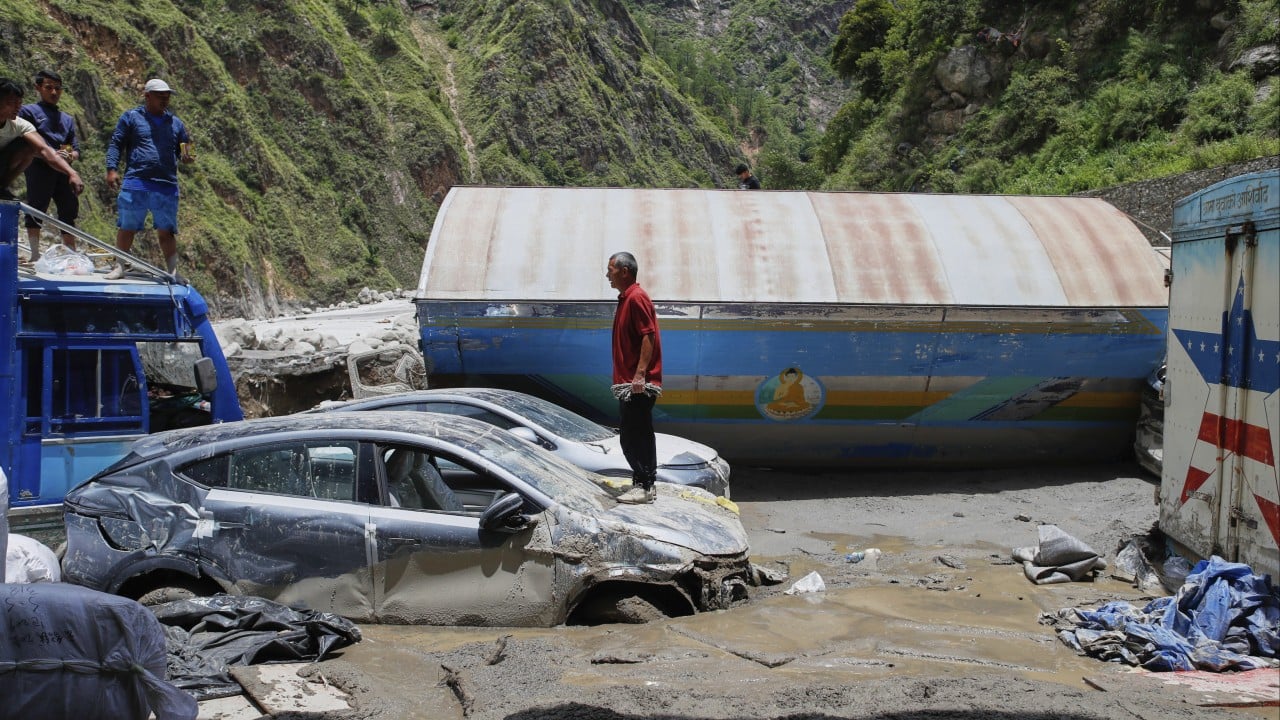
Flash floods and mudslides kill at least eight along Nepal–Tibet border, dozens missing
A flash flood in Nepal’s border region with China’s Tibet sweeps away villages, destroying roads, bridges and power infr...

Issa Kabore set for permanent move from Manchester City to Wrexham
Manchester City defender Issa Kabore is set to complete a permanent transfer to EFL Championship club Wrexham, after spe...

Joe Root tells England players to focus after Brydon Carse’s brief arrest
England captain Joe Root addresses the media after Brydon Carse is arrested briefly, with Root acknowledging he is “hack...