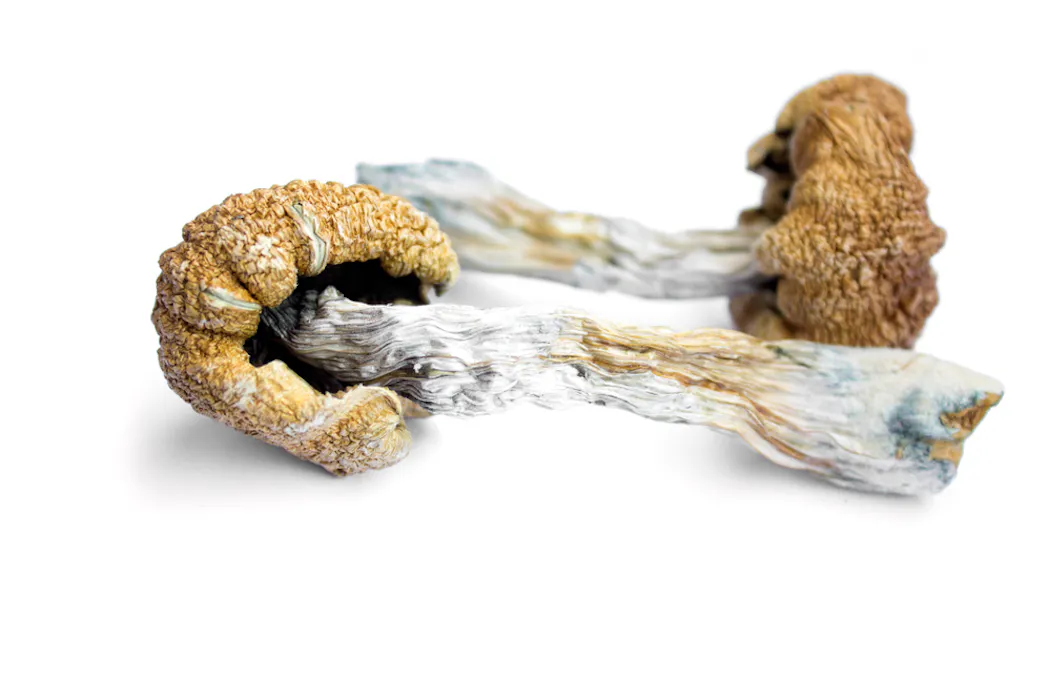
Multiple outlets summarize a reported clinical case in which a woman with late-stage Alzheimer’s disease reportedly experiences a temporary improvement after taking a psilocybin (magic mushroom) dose. The Conversation and other science-health outlets describe the patient as having had severe dementia and limited or no ability to speak for years. After receiving a large dose of psilocybin, the report indicates she briefly regains speech and shows increased independence compared with her prior baseline.
The coverage emphasizes that the publication is a case report, not a controlled study, and that the improvement does not establish that psilocybin can reliably treat Alzheimer’s. The sources describe the findings as “intriguing,” noting that dementia outcomes can vary and that conclusions are limited by the single-subject design. The reports also highlight that more research—such as larger clinical trials with appropriate controls—is needed to determine whether psilocybin has any consistent therapeutic effect, how long it might last, and what safety considerations would apply.