


Samsung says its Galaxy Watch6 can detect warning signs that a person may faint and provide alerts before an episode occurs. Several outlets report that the company points to results from a joint clinical study conducted with Chung-Ang University Gwangmyeong Hospital in South Korea. The watch uses biosignals, including heart-rate-related data and heart-rate variability, combined with artificial intelligence to identify patterns associated with vasovagal syncope (VVS). VVS is described as a fainting event that happens when heart rate and blood pressure drop abruptly, sometimes triggered by stress or other factors. Samsung and the reporting outlets say the approach can identify risk “several minutes in advance,” potentially helping users take safety measures such as getting into a safe position or contacting help. CNET and ZDNet also note that while the study is presented as promising, there are caveats and limitations that could affect real-world performance. Overall, the coverage frames the feature as an early-warning health monitoring capability aimed at reducing injury risk from sudden falls, rather than treating the underlying cause of fainting.
Samsung says Galaxy Watch 6 can predict vasovagal fainting episodes
Samsung says its Galaxy Watch6 can detect warning signs that a person may faint and provide alerts before an episode occurs. Several outlets report that the company points to results from a joint clin...
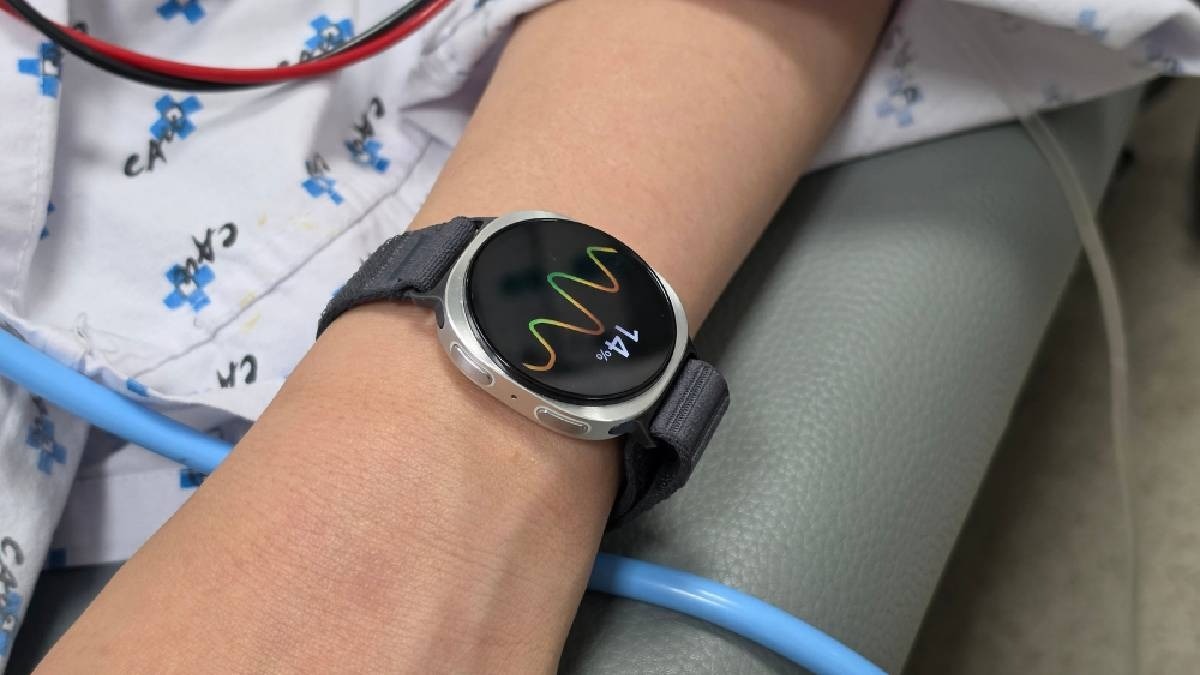
- Samsung says Galaxy Watch6 can predict warning signs of vasovagal syncope before a fainting episode.
- A joint clinical study with Chung-Ang University Gwangmyeong Hospital in Korea is cited as the basis for the claim.
- The watch analysis uses biosignals, including heart-rate variability, and AI to estimate imminent risk.
- Outlets describe the potential actions as alerts that give users time to get into a safe position or seek help.
- Coverage notes caveats/limitations around how the prediction works and how broadly it may apply.
Samsung today announced that a joint clinical study with Chung-Ang University Gwangmyeong Hospital in Korea has successfully validated the ability to predict vasovagal syncope (VVS) with high accuracy by utilizing biosignals obtained from Galaxy Watch6. Vasovagal syncope occurs when a person’s heart rate and blood pressure drop abruptly due to factors like excessive stress, leading to a temporary loss of consciousness. While the fainting spell itself is typically not life-threatening, sudden falls can cause severe secondary injuries like fractures or concussions, making early prediction critically important for prevention. “Up to 40% of people experience vasovagal syncope over their lifetime, with […]...Keep on reading: Samsung announces world-first breakthrough in fainting prediction with Galaxy Watch
3 months agoUp to 40% of people experience fainting episodes. What if their watches could warn them?
3 months agoA clinical study from Korea shows that health monitoring on the Galaxy 6 watch can effectively address problems like vasovagal syncope.
3 months agoSamsung said a clinical study found the Galaxy Watch6 could detect warning signs of fainting several minutes in advance using AI and heart rate variability data
3 months agoThe feature would allow users to get into a safe position or call for help.
3 months agoSamsung says Galaxy Watch can detect when you are about to faint
3 months ago
Norway’s King Harald V dies aged 89, with palace citing passing at Oslo University Hospital
Norway’s King Harald V dies at age 89, the Norwegian royal palace announces. Multiple outlets report the king dies peace...

New Melbourne openings highlight Cote Basque, Chinese-ish reopening, and standout spanakopita
A set of new and returning food venues is drawing attention in Melbourne this month, including Andrew McConnell’s Spanis...

TestMu Conference 2026 spotlights agentic engineering and AI quality
TestMu Conference 2026 is held as a flagship event for TestMu AI, focusing on “agentic engineering” and the quality proc...