


Multiple Australian outlets describe visits to a Tasmanian World Heritage-listed site as eerie and unsettling, with references to its past reputation for cruelty and the idea that harm was presented as art. The coverage frames the site through the lens of its notoriety, emphasizing visitors’ experiences of the location’s atmosphere and historical context. While the articles share the same overall message and characterization, they do not provide detailed, consistent new factual specifics in the excerpts provided, such as the exact name of the site, the historical period involved, or the nature of the practices attributed to it. Instead, the reporting focuses on the emotional impact of being there and the way the site’s reputation shapes public understanding of its history. Across the outlets, the common thread is that the site’s World Heritage status does not remove the unsettling aspects of its legacy; rather, it places the controversy within a broader preservation and tourism context. The sources collectively indicate renewed public interest in how difficult history is interpreted and experienced by visitors.
Tasmanian World Heritage site associated with “cruelty as art” draws attention
Multiple Australian outlets describe visits to a Tasmanian World Heritage-listed site as eerie and unsettling, with references to its past reputation for cruelty and the idea that harm was presented a...
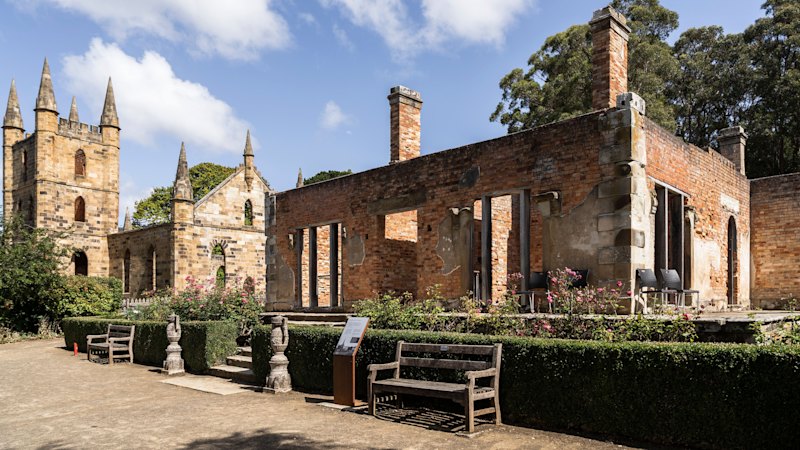
- The site is in Tasmania and is listed as World Heritage.
- All outlets describe a visit as eerie or unsettling.
- Coverage links the site’s reputation to themes of cruelty presented as art.
- The reporting is consistent in tone, though excerpts provided do not include detailed factual specifics.
- All sources focus on the visitor experience and historical reputation rather than new claims.
Visiting this Tasmanian World Heritage-listed site can be an eerie, unsettling experience.
2 months agoVisiting this Tasmanian World Heritage-listed site can be an eerie, unsettling experience.
2 months agoVisiting this Tasmanian World Heritage-listed site can be an eerie, unsettling experience.
2 months ago
U.S., South Korea and Japan to hold trilateral drill amid North Korea escalation
The United States, South Korea and Japan plan to hold a trilateral military drill next month, as North Korea increases p...

Springboks aim for major improvement against New Zealand after sloppy display
South Africa’s Springboks face New Zealand after a performance described by outlets as sloppy, with the team seeking a s...
Business park development on former Nazi camp site in Austria sparks anger
Construction work to develop a business park on part of a former Nazi concentration camp site in Austria is drawing publ...