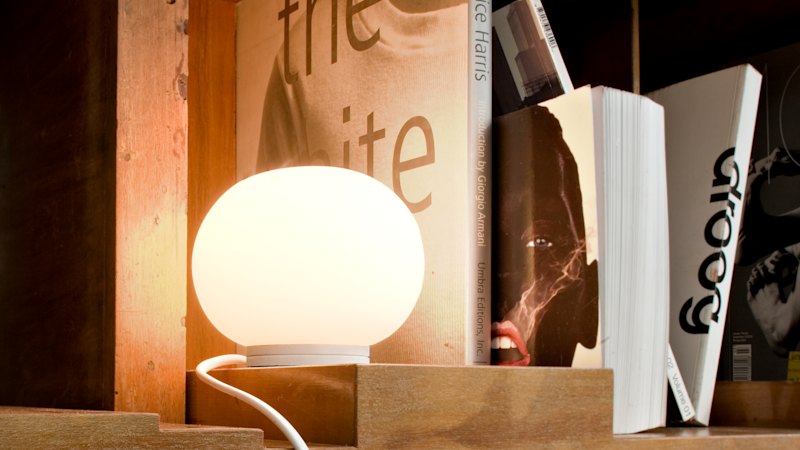
Multiple outlets report on guidance from interior designers about how many lamps people should use in a room to avoid relying on an overhead “big light.” The advice focuses on creating more comfortable, layered lighting by supplementing or replacing central fixtures with smaller light sources placed around the space.
While the articles differ in presentation, they broadly describe a practical approach: using lamps to improve brightness and reduce glare, and positioning them to support different activities such as reading, relaxing, or working. The guidance is framed as a way to tailor lighting to how a room is actually used, rather than using one dominant ceiling light for all purposes.
Across the reports, the theme is consistent: interior designers recommend using lamps as part of a lighting plan that balances function and mood. The articles also imply that the “right” number of lamps depends on factors such as room size and layout, with designers suggesting that multiple lamp sources typically create a more evenly lit environment than a single overhead light.